
In the bustling city of London, where every square foot is precious and every penny counts, finding ways to save on energy costs is paramount. Whether you’re a homeowner, landlord, or business owner, one essential tool in your energy-saving arsenal is the Energy Performance Certificate (EPC). This document not only helps you gauge the energy efficiency of your property but also provides valuable insights into potential savings and environmental impact.
What is an EPC Certificate?
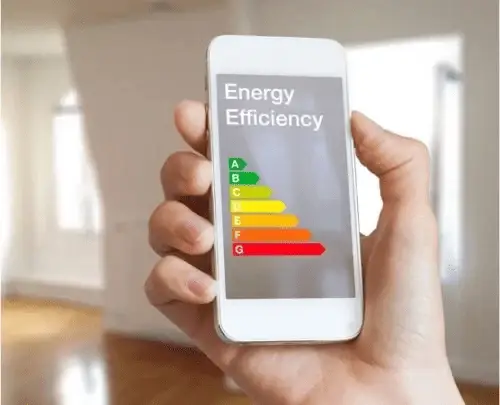
An EPC Certificate is a legal requirement for all properties in the UK that are either being sold, rented, or constructed. It provides an energy efficiency rating for a building on a scale from A to G, with A being the most efficient and G being the least. Alongside the rating, the certificate includes recommendations for improving energy efficiency, estimated energy costs, and potential savings.
Why Does it Matter?
In a city like London, where the cost of living is high and environmental concerns are pressing, understanding and improving your property’s energy efficiency is crucial for several reasons:
- Cost Savings: By implementing the recommended improvements outlined in the EPC, you can significantly reduce your energy bills, saving you money in the long run.
- Legal Compliance: Failure to obtain an EPC when required can result in fines, so ensuring you have a valid certificate is essential to avoid legal complications.
- Property Value: A high energy efficiency rating can enhance the value of your property, making it more attractive to potential buyers or tenants.
How to Obtain an EPC Certificate
Getting an EPC for your property in London is a relatively straightforward process:
- Find an Accredited Assessor: Look for a qualified Domestic Energy Assessor (DEA) or Non-Domestic Energy Assessor (NDEA) accredited by the government. They will assess your property and issue the certificate.
- Assessment: The assessor will visit your property to collect data on its energy usage, insulation, heating systems, and other relevant factors. This information will be used to calculate the energy efficiency rating.
- Receive Your Certificate: Once the assessment is complete, you will receive your EPC certificate, valid for ten years. Make sure to keep it safe, as you may need it for future transactions or compliance checks.
Unlocking Energy Savings
Armed with your EPC certificate, you can take proactive steps to unlock energy savings in your property:
- Implement Recommendations: Review the recommendations provided in your EPC and prioritise improvements that offer the most significant energy savings. This could include installing insulation, upgrading heating systems, or switching to energy-efficient appliances.
- Monitor Energy Usage: Keep track of your energy consumption and regularly review your EPC to see if there are any new opportunities for improvement.
- Educate Tenants or Occupants: If you’re a landlord or business owner, educate your tenants or employees about energy-saving practices to maximise the benefits of your efforts.
Conclusion
In a city as dynamic and energy-conscious as London, optimising your property’s energy efficiency isn’t just a wise investment—it’s a responsibility. By obtaining an EPC certificate and acting on its recommendations, you can not only save money but also contribute to a more sustainable future for generations to come. So, take the first step today and unlock the potential for energy savings in your London property.