
TM59 Overheating Assessment & TM52 Thermal Comfort Analysis
Overheating Assessment in the UK
TM52 and TM59 Compliance
TM52 and TM59 are important guidelines that help ensure buildings and developments meet necessary energy performance and environmental standards in the United Kingdom. TM52 focuses on the assessment of overheating in buildings, providing methodologies to determine whether a space stays within comfortable temperature ranges during the warmer months. This document is particularly relevant for architects, builders, and engineers, as it offers strategies to mitigate risks associated with overheating, which is becoming more significant with changing climate patterns.
On the other hand, TM59 deals with the design of dwellings to ensure that they provide appropriate thermal comfort for their occupants. It outlines a detailed approach for achieving a balance between energy efficiency and the well-being of residents, emphasizing the importance of considering various factors such as building orientation, insulation, and ventilation strategies.
Adhering to these compliance measures not only supports regulatory requirements but also fosters a healthier living environment. For example, integrating passive design strategies and utilizing energy-efficient systems can lead to long-term energy savings and reduced carbon footprints, while also enhancing the occupants’ comfort.
Both TM52 and TM59 provide a framework for creating sustainable built environments that prioritize occupant well-being while acknowledging the pressing need for climate-conscious design practices. As we continue to face the challenges of climate change, understanding and implementing these guidelines is becoming increasingly essential in our approach to building design and urban development.
What is TM52?
The TM52 overheating assessment is a systematic approach used to evaluate the risk of overheating in buildings, particularly during hot weather conditions. This assessment is especially important for ensuring the comfort and safety of occupants and for meeting regulatory and sustainability standards.
The assessment typically involves analyzing various factors, including the building’s design, orientation, materials, and insulation properties. It takes into account both internal heat gains, which may come from appliances, lighting, and occupants, and external heat influences such as solar radiation and climate conditions. By assessing these elements, professionals can determine if the indoor temperatures could exceed acceptable levels during periods of high temperatures.
The TM52 framework includes guidelines for measuring overheating risk and provides threshold values to identify when a building may become uncomfortable. It also encourages the implementation of mitigation strategies, such as improving ventilation, using shading devices, or altering building materials to enhance thermal performance.
Overall, conducting a TM52 overheating assessment is an essential step in promoting energy efficiency and occupant well-being in modern building design and management. By understanding and addressing the potential for overheating, architects, engineers, and developers can create healthier living environments that withstand the challenges posed by a changing climate.
TM52 outlines three criteria that buildings must meet to avoid overheating:
TM52, formally known as CIBSE Technical Memorandum 52: The Limits of Thermal Comfort: Avoiding Overheating in European Buildings, provides criteria for evaluating and mitigating overheating in buildings. It sets out a method to assess whether a building is likely to overheat based on the indoor temperatures experienced during typical summer conditions. TM52 is applicable to non-residential buildings, though its principles can be extended to residential applications.
TM52 provides a comprehensive framework for assessing overheating in buildings, placing a strong emphasis on maintaining occupants’ comfort and well-being. It outlines three distinct criteria that buildings must adhere to in order to be deemed satisfactory in terms of thermal performance.
Criterion 1: Hours of Exceedance (He) focuses on tracking the amount of time the indoor temperature surpasses a specified comfort threshold, which is typically set at a comfortable temperature level with an added allowance, generally ranging from 1°C to 2°C. This criterion is essential because prolonged exposure to temperatures above the comfort threshold can lead to discomfort and potential health issues for occupants. The assessment considers occupancy hours to determine if the hourly exceedances exceed 3% of those hours. If they do, the building does not meet this requirement and is at risk of overheating, which can impact productivity, health, and satisfaction of the occupants.
Criterion 2: Daily Weighted Exceedance (We) takes a step further by not just counting the exceedances but also evaluating the significance of how much the temperature overshoots the comfort threshold and for how long. This metric introduces a weighting system that reflects the severity of the temperature breaches. If a building registers a daily weighted exceedance score above 6, it indicates that the levels of discomfort due to excessive heat are substantial enough to fail this criterion. This evaluation helps to ensure that buildings do not just meet a numerical threshold but also consider the implications of more extreme temperature surges.
Criterion 3: Upper Limit Temperature (Tupp) is designed to protect against severe overheating by establishing a hard cap on indoor temperatures. This criterion dictates that indoor operative temperatures must not exceed a defined upper threshold, which is typically the comfort temperature plus 4°C, for more than 1% of the occupied hours. Failing to meet this standard signals that the building may pose risks of significant discomfort or health hazards during extreme heat events. Maintaining this limit supports not just comfort but also the overall functionality and livability of the building.
Together, these three criteria set forth in TM52 create a robust guideline for analyzing thermal comfort in buildings, aiming to foster healthier, more pleasant indoor environments. By adhering to these standards, we can help ensure that living and working spaces remain safe and enjoyable for everyone, even in warmer climates or during summer heatwaves.
Our Process for TM52 Compliance
At Complete EPC, we are deeply committed to ensuring that buildings not only meet regulatory standards but also provide a safe and comfortable living and working environment for all occupants. To achieve compliance with TM52, which focuses on managing the risk of overheating in buildings, we have established a comprehensive and rigorous process that we meticulously follow.
It all begins with the Initial Consultation, where we take the time to meet with clients to thoroughly understand the specific needs of their building. This includes discussing its intended uses, the demographic profile of the occupants, and any particular concerns they might have regarding temperature and comfort levels. This stage is crucial, as it helps us tailor our approach to the unique characteristics of each project.
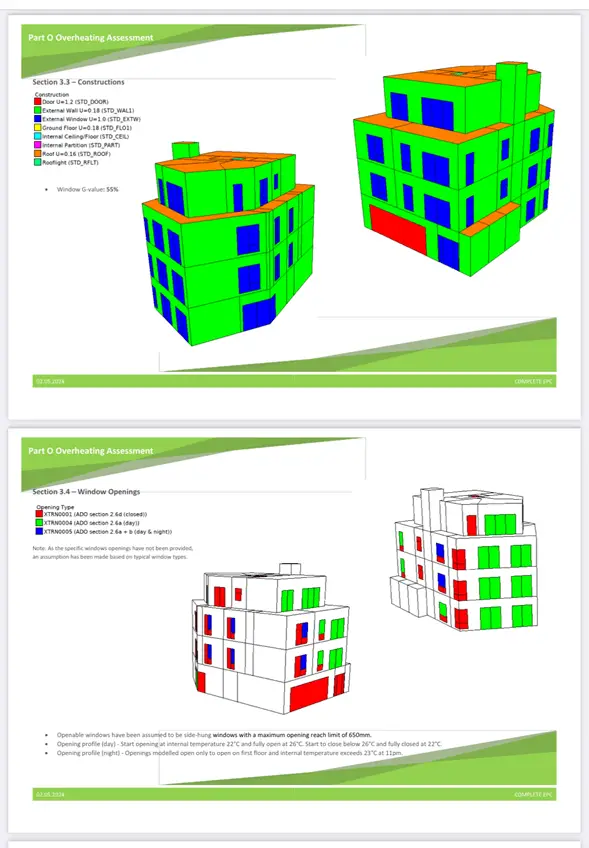
Next, we move to the Modelling and Simulation phase. Here, we utilize advanced thermal modeling software to create highly detailed simulations of the building’s thermal behavior. These simulations take into account various essential factors such as the building’s orientation, the types of materials used in construction, typical occupancy patterns, and local climate data. By integrating all of these variables, we can predict how the building will respond to different heat conditions throughout the year.
Following this, we conduct an Assessment of the model by applying the TM52 criteria to evaluate the potential risks of overheating. This involves a careful analysis of the data we’ve gathered to identify any critical areas where overheating might pose a problem, ensuring we catch any potential issues early on in the design process.
Once we have identified the risks, we move on to developing Mitigation Strategies. This is where our expertise really shines, as we propose a variety of design modifications and operational strategies aimed at minimizing the risk of overheating. Possible solutions could include enhancing natural ventilation, introducing shading elements, improving insulation, or implementing passive cooling techniques that work with the building’s design to maintain comfort without excessive reliance on air conditioning.
Finally, we enter the Verification phase. During this step, we re-assess the modified design to ensure that it meets all TM52 criteria and effectively addresses the identified overheating risks. This process not only confirms compliance but also gives our clients peace of mind, knowing that their building is equipped to provide a comfortable environment while adhering to high standards of safety and sustainability.
At Complete EPC, we believe that thoughtful planning and innovative solutions are key to creating spaces that thrive in every season, and we are dedicated to helping our clients achieve their goals while ensuring the utmost comfort for all occupants.
What is TM59?
TM59 refers to the guidance document published by the Chartered Institution of Building Services Engineers (CIBSE) focusing on overheating in residential buildings. It provides a systematic approach to assessing the risk of overheating in homes, particularly in the context of climate change, which is leading to hotter summers and increased discomfort in living spaces.
The assessment outlined in TM59 includes methods for analyzing how different factors contribute to overheating, such as building orientation, materials, insulation levels, and the design of heating and cooling systems. It emphasizes the importance of considering both the internal and external environmental conditions and how they can interact with architectural features to influence temperature levels within a home.
A key aspect of TM59 is its emphasis on the need for proactive design solutions that can mitigate the risks of overheating. This includes recommendations for appropriate shading, ventilation strategies, and the use of thermal mass. By following the TM59 guidelines, architects, engineers, and developers can create more comfortable living conditions that not only enhance occupant well-being but also comply with increasing regulatory standards for energy efficiency and sustainability.
In summary, TM59 is an essential tool for anyone involved in building design and construction, providing a structured methodology to ensure that residential buildings can stay cool and comfortable even during the hottest days of the year. This is increasingly important as we adapt to the evolving climate and strive for sustainable living environments.
Overheating Assessment Criteria in TM59
The TM59 guidelines establish essential criteria aimed at ensuring thermal comfort within residential buildings, particularly when it comes to preventing overheating. These criteria are meticulously laid out to address the unique needs of different types of rooms within a home, primarily focusing on living areas and bedrooms, as both serve distinct purposes in daily life.
In the living areas, the assessment focuses on maintaining a comfortable environment throughout the year. It stipulates that the internal temperature of these spaces should not rise above 26 degrees Celsius for more than 3% of the hours when the building is typically occupied. This threshold is designed to recognize that living areas are often used during the day when temperatures might naturally soar, and it aims to ensure that residents remain comfortable without excessive heat buildup.
On the other hand, bedrooms have a different set of requirements due to their primary function as restful sanctuaries for occupants. The criteria specify that the internal temperature in bedrooms should not exceed 26 degrees Celsius for more than 1% of the total annual hours occupied. This stricter limit reflects the importance of maintaining a cooler environment conducive to sleep. In addition, TM59 places significant emphasis on nighttime comfort. It requires that bedroom temperatures do not surpass 24 degrees Celsius for more than 1% of occupied nighttime hours, typically defined as between 10 PM and 7 AM. This consideration is crucial because even slightly elevated temperatures during sleep can disrupt rest and affect overall health and well-being.
Overall, the assessment criteria in TM59 are grounded in a deep understanding of how temperature affects comfort in our daily lives, ensuring that both living areas and bedrooms are designed to provide a sanctuary from excessive heat. These guidelines encourage thoughtful consideration of climate control strategies and building design to foster healthier and more enjoyable living environments for everyone.
Our Process for TM59 Compliance
Ensuring compliance with TM59 is a critical aspect of our commitment to delivering high-quality residential projects at Complete EPC. We understand the importance of thermal comfort for residents, particularly in an era of increasing temperatures and climate change impacts. To effectively address these challenges, we follow a detailed and methodical approach, which includes several key steps.
First, we conduct an Initial Consultation. During this stage, we take the time to engage with our clients to assess the specific requirements of the residential project. This is a crucial opportunity for our team to listen to any particular concerns regarding overheating and to understand the unique needs of the project, whether it involves an existing building or new construction. By gathering this information upfront, we can ensure that our solutions are tailored to the project’s specific context.
Next, we move onto Thermal Modelling and Simulation. Our team utilizes advanced simulation software to create accurate thermal models of the residential spaces. This process involves considering various critical factors that could influence indoor temperatures, such as the building’s orientation, the materials chosen for construction, occupancy patterns, and relevant local climate data. This comprehensive modelling allows us to predict thermal behavior under different conditions effectively.
Following the modelling phase, we perform a thorough Assessment of the thermal model against the TM59 criteria. This step is essential to identify any potential overheating risks that may occur in living areas and bedrooms. Our experienced team carefully analyzes the data to pinpoint specific vulnerabilities, ensuring that we leave no stone unturned in our evaluation.
Once we have identified the risks, we move on to developing Mitigation Strategies. Here, we recommend a range of design and operational modifications aimed at alleviating the identified overheating issues. Our solutions might include enhancing natural ventilation by optimizing window placements and designs, improving shading devices to minimize direct solar gain, utilizing reflective materials that help deflect heat, and optimizing insulation to maintain comfortable indoor temperatures. We are dedicated to finding solutions that not only meet compliance but also enhance the overall experience of the residents.
Finally, we conduct a Verification step to reassess the modified design. This is to ensure that all adjustments made align with the TM59 criteria. Our goal is to guarantee that the thermal comfort and safety of residents are safeguarded, providing them with a pleasant and healthy living environment. By meticulously following this process, we ensure that our projects are not only compliant but also exceed expectations in terms of quality and comfort.
Conclusion
Compliance with TM59 and TM52 is not just a regulatory requirement; it’s an essential part of creating living environments that prioritize the health and comfort of residents, especially in the face of the UK’s warming climate. As temperatures rise, the risk of overheating in homes becomes a serious concern, making it even more critical to develop designs that mitigate these risks. TM59 provides guidelines specifically focused on minimizing the potential for overheating, which can have detrimental effects on both physical and mental well-being. By integrating these guidelines into the design process, we can create spaces that remain livable and comfortable regardless of external temperature fluctuations.
Similarly, TM52 addresses the need for effective ventilation strategies and thermal performance assessments. Together, these frameworks offer a comprehensive approach to ensuring that homes are not only compliant with current regulations but also equipped to provide a safe and pleasant indoor climate for their occupants.
We understand that navigating these guidelines can seem daunting, but that’s where we come in. Our team is passionate about delivering tailored solutions that meet the specific needs of each project. We can assist with everything from initial assessments to practical implementation strategies, all aimed at achieving compliance with TM52 and TM59.
If you’re interested in learning more about how we can help you with TM52 and TM59 compliance, please don’t hesitate to reach out. We would love to discuss your project and share how our expertise can support you in creating safe, comfortable, and compliant residential spaces. Your vision for a nurturing home environment is important to us, and we’re here to help bring that vision to life.
"*" indicates required fields