
Introduction
In the bustling and diverse city of London, energy efficiency is more than a trend—it’s a necessity. Whether you’re selling, renting, or simply living in your home, understanding the importance of an Energy Performance Certificate (EPC) is crucial. An EPC not only helps you comply with legal requirements but also offers insights into improving your property’s energy efficiency, reducing costs, and contributing to a greener environment. This guide provides a comprehensive overview of EPC certificates and explains what London homeowners need to know.
What is an EPC?
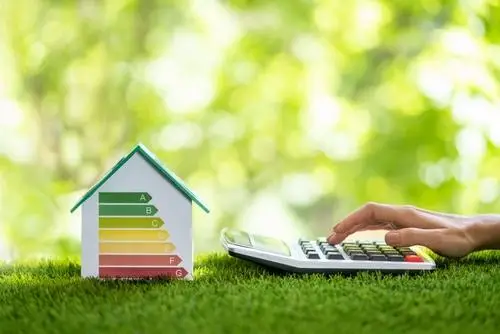
An Energy Performance Certificate (EPC) is a document that provides information about the energy efficiency of a property. It includes a rating from A (most efficient) to G (least efficient) and offers recommendations for improving energy performance. The certificate is valid for ten years and is a mandatory requirement for properties that are built, sold, or rented in London and across the UK.
Key Components of an EPC:
- Energy Efficiency Rating: Indicates how energy-efficient the property is on a scale from A to G.
- Estimated Energy Costs: Provides an estimate of the annual energy costs for heating, lighting, and hot water.
- Recommendations: Lists practical measures to improve the property’s energy efficiency.
- Environmental Impact Rating: Shows the property’s carbon dioxide emissions and their environmental impact.
Why Do You Need an EPC?
Legal Compliance
In London, it is a legal requirement to have a valid EPC when you sell or rent out your property. The EPC must be available to potential buyers or tenants before you market the property. Failing to provide a valid EPC can result in fines of up to £5,000. This regulation ensures that prospective occupants are informed about the energy performance of the property and its impact on running costs and the environment.
Energy Savings
An EPC provides valuable information on how to reduce energy consumption and lower utility bills. By following the recommendations on the certificate, you can improve your property’s energy efficiency, leading to significant cost savings over time. For instance, upgrading insulation or installing energy-efficient heating systems can reduce the amount of energy required to heat and power your home.
Environmental Responsibility
With increasing awareness of climate change, improving your property’s energy efficiency is a step towards reducing your carbon footprint. An EPC highlights the environmental impact of your property in terms of carbon dioxide emissions. By implementing the suggested improvements, you contribute to the broader goal of reducing emissions and promoting a sustainable future.
Marketability
Properties with higher EPC ratings are often more attractive to buyers and tenants due to their lower running costs and environmental benefits. A good EPC rating can increase the market value of your property and make it more appealing in a competitive market. Energy-efficient homes are seen as more desirable, offering a significant advantage when selling or renting out your property.
How is an EPC Assessed?
An EPC assessment is carried out by a qualified and accredited energy assessor. The assessor visits your property to conduct a thorough evaluation, which typically includes:
- Heating Systems: Assessing the type and efficiency of your heating and hot water systems.
- Insulation: Evaluating the effectiveness of insulation in walls, roofs, and floors.
- Windows and Doors: Checking the condition and type of glazing (e.g., single, double, or triple glazing).
- Lighting: Reviewing the type and efficiency of lighting used throughout the property.
- Building Dimensions: Measuring the size and layout of your property to calculate energy usage.
The assessment usually takes between 1 to 2 hours, depending on the size and complexity of the property. The data collected is then used to generate the EPC, which includes the energy efficiency rating and recommendations for improvement.
How to Obtain an EPC
Step 1: Find a Qualified Energy Assessor
To obtain an EPC, you need to engage a qualified and accredited energy assessor. You can find registered assessors through:
- Government Websites: The official GOV.UK website provides a search tool to find accredited energy assessors.
- Accreditation Bodies: Organisations like Elmhurst Energy and Stroma Certification maintain directories of certified assessors.
- Local Recommendations: Seek recommendations from local real estate agents or neighbours who have recently had an EPC assessment.
Step 2: Schedule an Assessment
Contact your chosen assessor to schedule an assessment. Ensure that you agree on a convenient time for the inspection and discuss any specific requirements or questions you may have. The assessor will need access to all areas of your property, including the loft, boiler room, and any other relevant spaces.
Step 3: Prepare for the Assessment
Prepare your property for the assessment by ensuring that the assessor has easy access to key areas and providing any relevant documentation, such as past energy bills or details of recent energy-saving improvements. This helps the assessor to accurately evaluate your property’s energy performance.
Step 4: Receive Your EPC
After the assessment, the energy assessor will compile the data and generate your EPC. You will typically receive your EPC within a few days of the assessment. The certificate will include your property’s energy efficiency rating, estimated energy costs, and recommendations for improvement.
Step 5: Implement Recommendations
Use the recommendations provided in your EPC to improve your property’s energy efficiency. Common measures include upgrading insulation, installing energy-efficient heating systems, and replacing old windows with double or triple glazing. Implementing these improvements can help you save on energy bills and increase your property’s market value.
Common Misconceptions about EPCs
Myth 1: EPCs Are Only for Selling or Renting
While EPCs are required when selling or renting a property, they are also valuable for homeowners who want to understand and improve their property’s energy performance. An EPC provides insights into potential energy savings and environmental benefits, making it useful for any homeowner.
Myth 2: EPCs Are Expensive
The cost of obtaining an EPC varies, but it is generally affordable, especially considering the potential savings on energy bills and the benefits of complying with legal requirements. In London, the cost typically ranges from £60 to £120, depending on the size and type of property.
Myth 3: Improving EPC Ratings is Complicated
Improving your property’s EPC rating does not have to be complicated or expensive. Many recommended improvements, such as upgrading insulation or switching to energy-efficient lighting, are relatively simple and cost-effective. These measures can lead to significant energy savings and a better EPC rating.
Conclusion
Understanding and obtaining an EPC is essential for London homeowners. An EPC provides a detailed assessment of your property’s energy performance and offers valuable recommendations for improvement. Whether you are selling, renting, or simply looking to enhance your property’s energy efficiency, an EPC is a crucial tool that helps you comply with legal requirements, save on energy costs, and contribute to a greener environment.
Don’t wait until it’s time to sell or rent your property—apply for your EPC today and take proactive steps to improve your home’s energy performance. By doing so, you’ll not only benefit from lower energy bills and increased property value but also play a part in creating a more sustainable future for London.