
What does an EPC stand for?
An EPC certificate stands for Energy Performance Certificate. It provides information about a building’s energy efficiency and carbon dioxide emissions.
An Energy Performance Certificate
An Energy Performance Certificate, often referred to as an EPC, is an essential document that provides information about the energy efficiency of a property. It typically includes an energy rating from A (very efficient) to G (inefficient), along with recommendations for improving efficiency and reducing energy costs.
It’s particularly important when buying or renting a home, as it helps potential tenants or buyers understand how energy-efficient the property is. The certificate is valid for ten years and can give you great insights into potential energy savings and overall comfort levels within the home. If you have any further questions or need more details about energy performance certificates, feel free to ask!

Why is an EPC Important?
- Legal Requirement: It is mandatory to have an EPC when selling or renting a property in London.
- Environmental Impact: EPCs help reduce carbon footprints by promoting energy-efficient improvements.
- Cost-Effective: Implementing EPC recommendations can lower energy bills.
- Market Value: Properties with higher energy efficiency ratings tend to have higher market values.
Factors Affecting EPC Ratings
- Insulation: Quality and thickness of insulation can significantly affect the energy rating.
- Heating Systems: The type and age of boilers and heaters.
- Windows: Double-glazed windows contribute positively to the EPC rating.
- Lighting: Energy-efficient lighting solutions.
- Renewable Energy Sources: Usage of solar panels and other renewable energy technologies.
Steps to Improve Your Property’s EPC Rating
- Upgrade Insulation: Improving wall and loft insulation can significantly boost efficiency.
- Install Efficient Heating: Consider modern, energy-efficient boilers.
- Switch to LED Lighting: Replace traditional bulbs with LED lighting.
- Consider Renewable Energy: Solar panels can improve your property’s energy rating.
- Professional Advice: Consult with a Complete EPC energy assessors for tailored recommendations.
How much does it cost to have an EPC done?
The cost of having an Energy Performance Certificate (EPC) done can vary depending on your location and the size of the property, but it typically ranges from £29.95 to £350. It’s a good idea to shop around and compare prices from different providers. Let me know if you need any more information!
How long should an EPC take?
The duration of an Energy Performance Certificate (EPC) can vary, but typically it takes around 30 minutes to 3 hours for the assessment itself, followed by a few days for processing and delivery of the certificate. If you have any more questions or need assistance, feel free to ask!
EPC for a sale or rent.
Having a valid EPC is not only a legal requirement but also a great way to showcase the energy efficiency of your home or commercial space to potential buyers or tenants. Whether you want to rent out a cozy apartment or sell a charming house, having the right EPC can really set you apart! If you have specific needs or questions about the process, I’m here to help.
Transactions not considered a sale or rent.
EPCs are required in all instances of sales or rent, except those set out in page 6 (Situations where an EPC is not required). However, not all transactions are considered to be a sale or let. These will include:
- Lease renewals or extensions
- Compulsory purchase orders
- Sales of shares in a company, where buildings remain in company ownership
- Lease surrender
What does an EPC contain?
The Energy Performance Certificate (EPC) is a comprehensive document that offers valuable insights into the energy efficiency of a property.
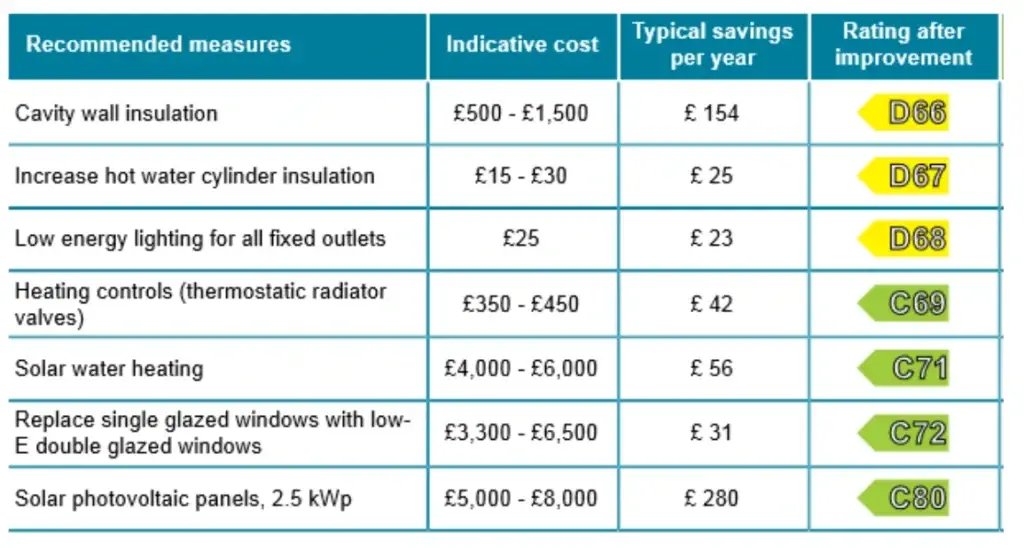
It provides a detailed breakdown of a building’s energy consumption and carbon emissions, in addition to providing recommendations on how to improve its energy efficiency.
This certificate is an indispensable resource for property owners and real estate professionals alike, as it facilitates informed decision-making and assists in achieving long-term sustainability goals.
The EPC plays a vital role in ensuring that buildings are constructed and maintained to the highest standards of energy efficiency, ultimately contributing to a greener and more sustainable future.
Is an EPC a legal requirement?
That’s a great question! An Energy Performance Certificate (EPC) is indeed a legal requirement in many countries, including the UK, particularly when it comes to selling or renting a property. Essentially, the EPC provides information about a property’s energy efficiency and environmental impact, which can be really helpful for prospective buyers or tenants who are interested in energy costs and overall sustainability.
In the UK, for example, it’s mandatory to have an EPC before you can market your property. The certificate grades the property on a scale from A (most efficient) to G (least efficient) and outlines recommendations for improvements that can be made to enhance its efficiency. If you’re involved in property transactions or rentals, it’s best to look up the specific regulations that apply to your area, as compliance is important for a smooth process. If you need more detailed information about EPCs or how to obtain one, feel free to ask!
What does an EPC certificate do?
An EPC certificate, which stands for Energy Performance Certificate, serves as an important document that provides valuable information about the energy efficiency of a property. It’s usually required when a property is built, sold, or rented. The EPC rating is represented on a scale from A (very energy efficient) to G (very inefficient), helping potential buyers or tenants understand how energy-efficient the property is.
The certificate includes details about the property’s energy use, typical energy costs, and suggestions for improving the energy efficiency of the home. These recommendations could involve upgrades like better insulation, more efficient heating systems, or the installation of renewable energy sources. By having an EPC, you’re not just complying with legal requirements; you’re also making informed decisions that can lead to cost savings on energy bills and contribute to a more sustainable environment.
What is a Domestic Energy Assessor?
A Domestic Energy Assessor (DEA) is a qualified professional who assesses the energy performance of domestic properties in the UK.
They conduct an energy survey of the property, examining the insulation, heating systems, ventilation, and lighting to provide an Energy Performance Certificate (EPC) rating. This rating informs potential buyers or tenants of the energy efficiency of the property and how it can be improved.
A Domestic Energy Assessor (DEA) is a person who has undergone training in the energy performance of buildings using the Reduced Data Standard Assessment Procedure (RdSAP) methodology. This enables the EPC assessor to produce a domestic EPC.
It is important to note that the DEA method is mainly used for domestic houses which a complete SAP is applied to build new homes.
Is it illegal to let a property without an EPC?
It is typically illegal to let a property without a valid Energy Performance Certificate (EPC) in many places, including the UK. Landlords are generally required to provide an EPC to potential tenants. It’s always best to check local regulations for specific requirements.
How is a Domestic EPC Created?
Creating a Domestic Energy Performance Certificate (EPC) involves a series of steps to assess the energy efficiency of a residential property. Here is a brief outline of the process:
1. Booking an Assessment: The process begins when a homeowner or landlord arranges an appointment with a qualified Domestic Energy Assessor (DEA).
2. Site Visit and Inspection: On the day of the assessment, the DEA visits the property to conduct a comprehensive survey. This involves measuring the property and examining key features.
3. Data Collection: The assessor collects data regarding the property’s energy-related features and current energy usage. This includes,
• Examine the interior and exterior of your property.
• Assess the dimensions of the property as well as any heat loss between walls and ceilings.
• Inspect your boilers, room heaters and fireplaces.
• Examine any extensions and the type of building materials used.
• Inspect the construction of your property.
• Look at any un-separated conservatories.
• Inspect the insulation between walls and lofts.
• Examine the glazing and low energy lighting.
• The DEA must conduct a health and safety survey – interior and exterior to identify potential threats.
• The property will be inspected to establish the insulation.
• Glazing and low-energy lighting will also be taken into consideration.
4. Calculating the EPC Rating: Using the data collected, the DEA inputs the information into a software programme specifically designed to generate an EPC. This software calculates the property’s energy efficiency rating based on a standardised methodology.
5. Producing the EPC: The resulting EPC provides a rating from A (most efficient) to G (least efficient) and includes recommendations for improvements to increase energy efficiency.
6. Issuance: The completed EPC is lodged on a national database and a copy is issued to the property owner. The certificate is valid for ten years and is required for properties when sold or rented.
How often does an EPC need to be renewed?
An Energy Performance Certificate (EPC) typically needs to be renewed every 10 years. However, it’s a good idea to update it sooner if significant changes are made to the property that could affect its energy efficiency.
Investing in an Energy Performance Certificate
Investing in an Energy Performance Certificate is a smart choice that benefits both you and the environment. It helps reduce energy consumption, lower utility bills, and contribute to the overall sustainability of our communities.
Who pays for an EPC certificate?
Typically, the property owner or seller is responsible for paying for an Energy Performance Certificate (EPC). If you’re renting, the landlord usually covers this cost.
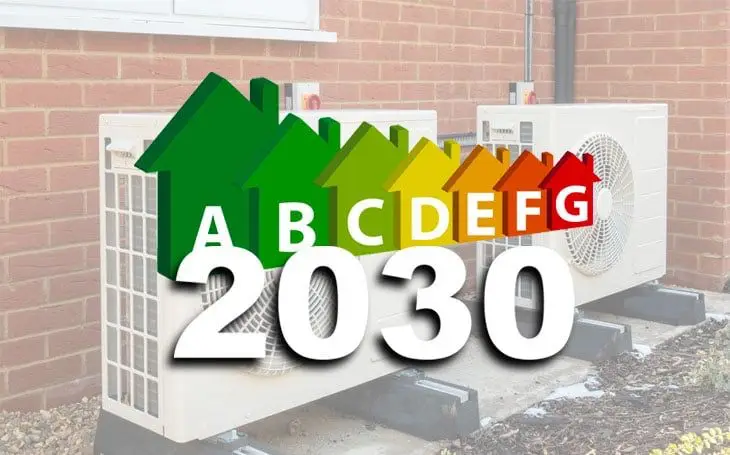
What are the new EPC rules for 2030?
The new Energy Performance Certificate (EPC) rules for 2030 focus on improving the energy efficiency of buildings in light of environmental goals. Key changes include:
1. **Minimum Energy Standards**: New regulations aim to ensure that all residential properties achieve at least a specific EPC rating, likely a “C” or higher, by 2030.
2. **Increased Inspections**: More stringent requirements for regular energy assessments and audits will be enforced to help property owners understand and meet compliance.
3. **Financial Incentives**: There may be greater incentives for property improvements, including grants or low-interest loans to help upgrade energy performance.
4. **Emphasis on Renovations**: The rules will encourage and potentially require renovations for existing buildings, pushing for greener technologies and sustainable materials.
5. **Transparency**: Enhanced transparency in energy performance data is expected, making it easier for buyers and renters to understand the energy implications of their choices.
Make sure to review updated guidelines as they are released to ensure compliance with the latest standards.
What happens if my property fails an EPC?
If your property fails an Energy Performance Certificate (EPC), it means that it doesn’t meet the minimum energy efficiency standards required for rental properties. Here are a few key things to consider:
1. **Improvement Requirements**: You may be required to make certain energy-efficient improvements to your property. This could involve upgrading insulation, replacing windows, or enhancing heating systems.
2. **Legal Implications**: If you’re a landlord, failing to meet EPC standards can restrict your ability to rent out the property. You could face penalties or fines if you continue to let a property that doesn’t comply.
3. **Incentives and Assistance**: There are often grants or incentives available to help improve your property’s energy efficiency, so be sure to research any local schemes that could assist you.
4. **Reassessing the EPC**: Once you’ve made the necessary improvements, you can have your property reassessed to obtain a new EPC rating.
Overall, addressing the issues highlighted in an EPC can help not only in meeting legal requirements but also make your property more attractive to potential tenants.
Who is exempt from EPC?
Exemptions from the Energy Performance Certificate (EPC) requirements typically apply to certain types of properties and situations. Generally, the following categories may be exempt:
1. **Buildings not required to have an EPC**: These include places like places of worship, temporary buildings (used for less than two years), and stand-alone buildings with a total useful floor area of less than 50 square meters.
2. **Certain residential properties**: Some listed buildings may be exempt if their energy performance cannot be improved without altering their character. Additionally, properties that are used solely for agricultural purposes may also qualify for exemption.
3. **Certain types of residential tenancies**: Properties that are classified as ‘social housing’ or those that are sold under certain schemes might have exemptions as well.
It’s always a good idea to check with local regulations or consult a professional for specific guidance related to your property.
What if my EPC expires before completion?
If your Energy Performance Certificate (EPC) expires before the completion of your property transaction, it typically needs to be renewed. An EPC is valid for 10 years, and having a valid certificate is necessary for certain sales and rentals, ensuring that potential buyers or tenants are informed about the energy efficiency of the property.
Here are a few steps you might consider:
1. **Obtain a New EPC**: You can book an appointment with a qualified domestic energy assessor to carry out a new energy assessment.
2. **Check Requirements**: Consult local regulations or your estate agent to determine if they require a valid EPC for your property sale or rental.
3. **Act Quickly**: If your EPC is nearing expiration, it’s best to act as soon as possible to avoid any delays in the transaction.
4. **Communicate**: Make sure to inform your potential buyers or tenants about the situation and your plan to obtain a new EPC.
By staying proactive and ensuring your EPC is up-to-date, you can help facilitate a smoother property transaction.
Has anyone been fined for not having an EPC?
Yes, there have been instances where property owners were fined for not having an Energy Performance Certificate (EPC) when required. In many countries, it’s mandatory to provide an EPC when a property is sold or rented out. If a property owner fails to comply, they may face penalties, which can vary depending on local regulations. It’s always a good idea to check the specific laws in your area to understand the requirements and potential consequences.
For further assistance or to schedule an EPC assessment, please contact COMPLETE EPC on 0800 917 4026.
Disclaimer: This guide is intended for informational purposes only and is not a substitute for professional advice. For further information, please consult a COMPLETE EPC energy assessor.

Energy Performance Certificate Quote

"*" indicates required fields