

Did you know that over one million Energy Performance Certificates (EPCs) are issued in the UK every year? Whether you plan to sell, rent, or simply want a clearer picture of your home’s energy use, preparing for an EPC assessment can make all the difference. With the right documents and a smooth inspection, you can gain valuable insights that help lower energy costs and boost your property’s appeal.
Table of Contents
- Step 1: Gather Required Property Information
- Step 2: Book a Qualified EPC Assessor
- Step 3: Prepare Property for Assessment
- Step 4: Escort Assessor During Inspection
- Step 5: Review and Obtain EPC Certificate
Quick Summary
| Key Point | Explanation |
| 1. Gather essential property documents | Collect construction records, insulation info, and heating system details to aid the assessment process. |
| 2. Book a qualified EPC assessor | Ensure the assessor is accredited, experienced, and can provide prompt service to guarantee accurate results. |
| 3. Prepare your property for inspection | Clear access to rooms and key areas facilitates a thorough evaluation by the assessor during the visit. |
| 4. Actively participate during the assessment | Guide the assessor through your property, pointing out energy efficiency upgrades and answering questions to support the evaluation. |
| 5. Review your Energy Performance Certificate | After receiving your EPC, consider potential improvements to enhance energy efficiency and save on bills. |
Step 1: Gather Required Property Information
Getting ready for your EPC assessment starts with collecting key details about your property. This preparation step helps your energy assessor conduct a precise and efficient evaluation of your building’s energy performance.
Start by gathering foundational documents and information about your property’s construction and systems. According to guidance from the Scottish Government, you will want to compile specific records that reveal your building’s energy characteristics.
Look for documentation related to:
- Building construction date
- Details of any property extensions
- Double glazing installation certificates
- Wall insulation type and installation records
- Boiler installation dates
- Hot water cylinder specifications
Think of this like preparing medical records before a doctor’s appointment. The more accurate and complete your information, the smoother your assessment will go. Assessors use these details to create a comprehensive picture of your property’s energy efficiency.
Here’s a summary of the essential documents to gather for your EPC assessment:
| Document Type | Purpose | Example Information |
| Construction Records | Verify building age and structure | Year built Extension plans |
| Glazing/Insulation Certificates | Show energy efficiency improvements | Double glazing Wall insulation |
| Heating System Installation Docs | Confirm heating equipment specifications | Boiler install date Cylinder type |
| Proof of Upgrades | Highlight recent efficiency upgrades | Upgrade receipts Photos |
Pro Tip: Organize your documents in a folder or digital file before the assessor arrives. This saves time and demonstrates your preparedness.
Once you have gathered these materials, you will be well positioned for a thorough and accurate EPC assessment. The next step involves scheduling your professional energy assessment with a qualified inspector.
Step 2: Book a Qualified EPC Assessor
Now that you have gathered your property documents, it is time to schedule your EPC assessment with a professional energy assessor. Booking a qualified inspector ensures you receive an accurate and legally compliant energy performance certificate for your property.
According to UK Government guidelines, your assessor must be an accredited professional who is a member of a government approved accreditation scheme. This ensures the highest standard of assessment for your property.
When searching for an assessor, look for these key qualities:
- Membership in an official accreditation scheme
- Experience with properties similar to yours
- Positive customer reviews
- Transparent pricing
- Ability to provide electronic certificates
As i-EPC suggests, the booking process is typically straightforward. Most assessments can be completed within 30 to 60 minutes, and you may receive your electronic certificate on the same day.
Pro Tip: Request a quote from multiple assessors and confirm their accreditation before booking to ensure you get the best service.
After booking your assessment, prepare your property by ensuring easy access to all areas the assessor will need to inspect. The next step involves preparing your property for the actual energy performance assessment.
Step 3: Prepare Property for Assessment
With your EPC assessor booked, the next crucial step is preparing your property for a smooth and comprehensive energy assessment. Getting your space ready will help the assessor conduct a thorough evaluation and potentially save you time during the inspection.
According to Scottish Government guidelines, the energy assessor will need complete access to all rooms, your boiler location, and the loft area if safe entry is possible. This means creating a clear path and ensuring all key areas are accessible and visible.
Here are some specific preparation steps:
- Clear clutter around heating systems
- Unlock all rooms and interior spaces
- Provide clear access to meters and electrical panels
- Ensure attic or loft spaces can be safely reached
- Have your property documentation readily available
- Remove any obstacles blocking views of windows or heating equipment
The assessor may take photographs of heaters, meters, and any unique building features.
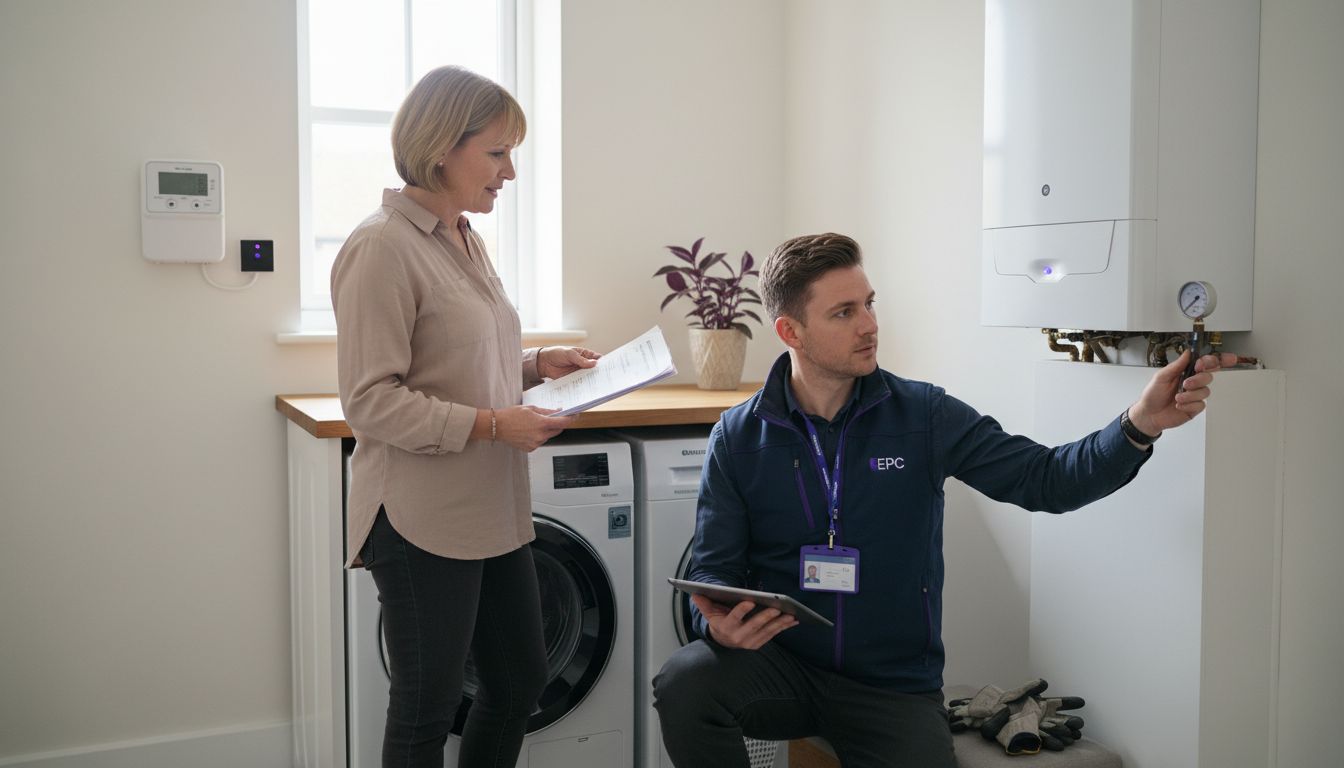 These images help document the property’s energy characteristics and support the final assessment.
Pro Tip: If you have any recent energy efficiency upgrades or improvements, gather documentation to share with the assessor during the visit.
Once your property is prepared, you will be ready for a comprehensive and efficient energy performance assessment. The next step involves understanding what will happen during the actual on site inspection.
Step 4: Escort Assessor During Inspection
With your property prepared, the energy performance assessment is about to begin. This step involves actively participating in the inspection process to ensure the assessor has everything needed to complete an accurate evaluation of your property.
According to Scottish Government guidelines, the assessor will need comprehensive access to all rooms and key systems in your property. Your role is to be a helpful guide and provide any additional context that might support a thorough assessment.
During the inspection, plan to:
- Walk the assessor through each accessible room
- Point out any recent energy efficiency improvements
- Explain any unique features of your property
- Answer questions about heating systems and installations
- Provide additional documentation if requested
- Observe the assessment process without interrupting
The assessor will likely take photographs of heating equipment, meters, windows, and other relevant features. These visual records help document the property’s energy characteristics and support the final certificate rating.
Pro Tip: While being helpful, allow the professional space to conduct their systematic assessment without excessive interruption.
After the on site inspection is complete, the assessor will begin compiling the data collected to generate your official Energy Performance Certificate. The next step involves understanding how the assessment results will be processed and delivered.
Step 5: Review and Obtain EPC Certificate
After the on site assessment, you are now ready to receive and understand your official Energy Performance Certificate. This document provides a comprehensive overview of your property’s energy efficiency and potential improvement opportunities.
According to the Scottish Government, the EPC is produced using a government approved calculation methodology. The certificate will include an energy efficiency rating and valuable recommendations for enhancing your property’s performance.
What to expect in your EPC:
- A color coded energy efficiency rating from A (most efficient) to G (least efficient)
- Estimated energy costs for your property
- Detailed recommendations for potential improvements
- Potential cost savings from implementing suggested upgrades
- Carbon dioxide emission ratings
- Specific details about your property’s energy systems
As i-EPC notes, you will typically receive your certificate electronically on the same day as your assessment. While implementing the recommendations is optional, doing so could significantly reduce your energy bills and improve your property’s overall efficiency.
Pro Tip: Save your EPC digitally and keep a printed copy for future reference during property transactions or renovation planning.
Once you have reviewed your certificate, you can begin considering which energy efficiency recommendations make the most sense for your property and budget.
Simplify Your EPC Assessment Journey with Complete EPC
Navigating the complex steps of the EPC assessment process can feel overwhelming. From gathering detailed property records to booking qualified assessors and ensuring smooth inspections every step requires careful attention to avoid delays and costly mistakes. If you want to eliminate the guesswork and secure your Energy Performance Certificate with confidence and ease, Complete EPC is your trusted partner across London. We address each critical stage outlined in the EPC Assessment Process Guide with expert support — precise document handling, experienced accredited assessors, and thorough inspections for accurate, legally compliant certificates.
Act now and experience a seamless EPC service that helps you meet legal requirements quickly while optimizing your property’s energy potential. Whether you are a landlord, property owner, or estate agent, start with Complete EPC’s professional services designed specifically for London properties. Book your assessment today, receive your certificate promptly, and gain valuable improvement recommendations that can reduce your energy bills and increase your property’s value. Ready to take the next step toward hassle-free energy certification? Visit our homepage now and discover how simple obtaining your EPC can be from start to finish.
Frequently Asked Questions
What documents do I need to gather for my EPC assessment?
Gather key property documents such as construction records, glazing installation certificates, and heating system details. Organize these in a folder to ensure a smooth process during the assessment.
How long does an EPC assessment take?
An EPC assessment typically takes between 30 to 60 minutes to complete. Plan accordingly to ensure your property is ready for the assessor’s arrival.
How do I find a qualified EPC assessor?
Search for an EPC assessor who is a member of an accredited scheme with positive customer reviews. Ensure they have experience with properties like yours before booking your assessment.
What should I do to prepare my property for the assessment?
Prepare by clearing clutter around heating systems and ensuring all rooms are accessible. Provide easy access to meters, interiors, and attics to facilitate a thorough inspection.
What should I expect in my EPC result?
Expect your Energy Performance Certificate to include a rating from A to G, estimated energy costs, and recommendations for energy efficiency improvements. Review these suggestions to decide which upgrades to implement.
How will I receive my EPC certificate?
You will typically receive your EPC certificate electronically on the same day as your assessment. Save a digital copy and keep a printed version for future reference during property transactions.