

For many property owners in London, keeping homes efficient while meeting new energy standards has become a top priority. The need for low carbon heating is growing, especially as heating was responsible for 18% of greenhouse gas emissions in the United Kingdom in 2021 according to official data. Choosing the right solution can cut emissions, future-proof your property, and support compliance with current and emerging regulations.
Table of Contents
- Defining Low Carbon Heating Solutions
- Types of Low Carbon Heating Systems
- How Low Carbon Heating Works in Homes
- Impact on EPC and Energy Compliance
- Costs, Savings, and Key Considerations
Key Takeaways
| Point | Details |
|---|---|
| Importance of Low Carbon Heating | Transitioning to low carbon heating is essential for reducing greenhouse gas emissions, as heating contributes significantly to total UK emissions. |
| Technological Options | Key technologies such as Heat Pumps and Biomass Boilers offer viable low carbon heating alternatives with substantial carbon saving potential. |
| Financial Considerations | Although initial costs for low carbon heating systems can be high, government incentives and long-term savings may offset these expenses for property owners. |
| EPC Implications | Implementing low carbon heating technologies can improve Energy Performance Certificate ratings, aligning with evolving regulatory standards and enhancing property value. |
Defining Low Carbon Heating Solutions
Low carbon heating represents an essential strategy for reducing greenhouse gas emissions from residential and commercial buildings. At its core, low carbon heating involves transitioning away from traditional fossil fuel-based systems towards more environmentally friendly technologies that significantly decrease carbon footprint. Decarbonising home heating is crucial, given that heating currently accounts for 18% of total UK greenhouse gas emissions.
The primary technologies driving low carbon heating include:
- Heat Pumps: Electrical systems that extract thermal energy from air, ground, or water sources
- Biomass Boilers: Systems using organic materials like wood pellets for heating
- Hydrogen Heating: Emerging technology using hydrogen as a clean fuel alternative
- Heat Networks: Communal heating systems delivering low-carbon thermal energy to multiple properties
These technologies share a common objective: reducing reliance on natural gas and minimising carbon emissions. By leveraging renewable electricity and alternative fuel sources, low carbon heating solutions can dramatically lower a property’s environmental impact. Efficient heating technologies not only contribute to national climate goals but also offer potential long-term energy cost savings for homeowners.
Here is a comparison of leading low carbon heating technologies and their key attributes:
| Technology | Carbon Saving Potential | Suitable Properties | Typical Efficiency |
|---|---|---|---|
| Heat Pumps | High | Well-insulated, modern homes | Up to 350% (COP 3.5) |
| Biomass Boilers | Moderate to High | Rural or semi-rural properties | Up to 90% efficient |
| Hydrogen Heating | Emerging/Variable | Compatible infrastructure only | Yet to be established |
| Heat Networks | High | Flats, urban developments | 80–95% system total |
The UK government has set ambitious targets, including phasing out new fossil fuel boilers by 2035 and scaling up heat pump installations. Property owners must therefore understand these emerging technologies and their potential benefits for both environmental sustainability and energy efficiency.
Pro tip: Consider consulting an energy performance certificate (EPC) assessor to understand which low carbon heating solution best suits your specific property characteristics and local infrastructure.
Types of Low Carbon Heating Systems
The landscape of low carbon heating technologies offers multiple innovative solutions for reducing carbon emissions in residential and commercial properties. Alternative heating sources have emerged as critical strategies for transitioning away from traditional fossil fuel systems, providing environmentally friendly alternatives that can significantly reduce greenhouse gas emissions.
The primary types of low carbon heating systems include:
- Heat Pumps: Two main variants exist
- Air Source Heat Pumps: Extract thermal energy from outside air
- Ground Source Heat Pumps: Utilise underground heat reserves
- Biomass Boilers: Burn organic materials like wood pellets
- Solar Thermal Systems: Capture solar energy for heating water
- Heat Networks: Provide communal heating from centralised low carbon sources
Each technology offers unique advantages depending on property characteristics, local infrastructure, and energy requirements. Heat pumps are particularly efficient, using electricity to transfer environmental heat rather than generate it directly. Biomass boilers provide a carbon-neutral option when using sustainably sourced materials, while solar thermal systems can supplement existing heating infrastructure.
Choosing the right low carbon heating system requires careful evaluation of specific property needs, thermal efficiency, installation costs, and long-term environmental impact. Property owners must consider factors such as building insulation, local climate, and available renewable energy infrastructure when selecting an appropriate heating solution.
Pro tip: Consult a professional energy assessor to conduct a comprehensive evaluation of your property’s specific low carbon heating requirements and potential system compatibility.
How Low Carbon Heating Works in Homes
Local heat planning strategies are revolutionising how residential properties approach energy efficiency and heating. Low carbon heating systems operate fundamentally differently from traditional fossil fuel-based technologies, focusing on transferring and optimising heat rather than generating it through direct combustion.
The primary mechanisms of low carbon heating include:
- Heat Transfer Principles
- Extracting ambient heat from air or ground
- Using minimal electricity to generate multiple units of thermal energy
- Operating at lower temperatures than conventional systems
- Energy Conversion Methods
- Heat pumps converting environmental thermal energy
- Biomass systems burning organic materials
- Solar thermal technologies capturing renewable heat
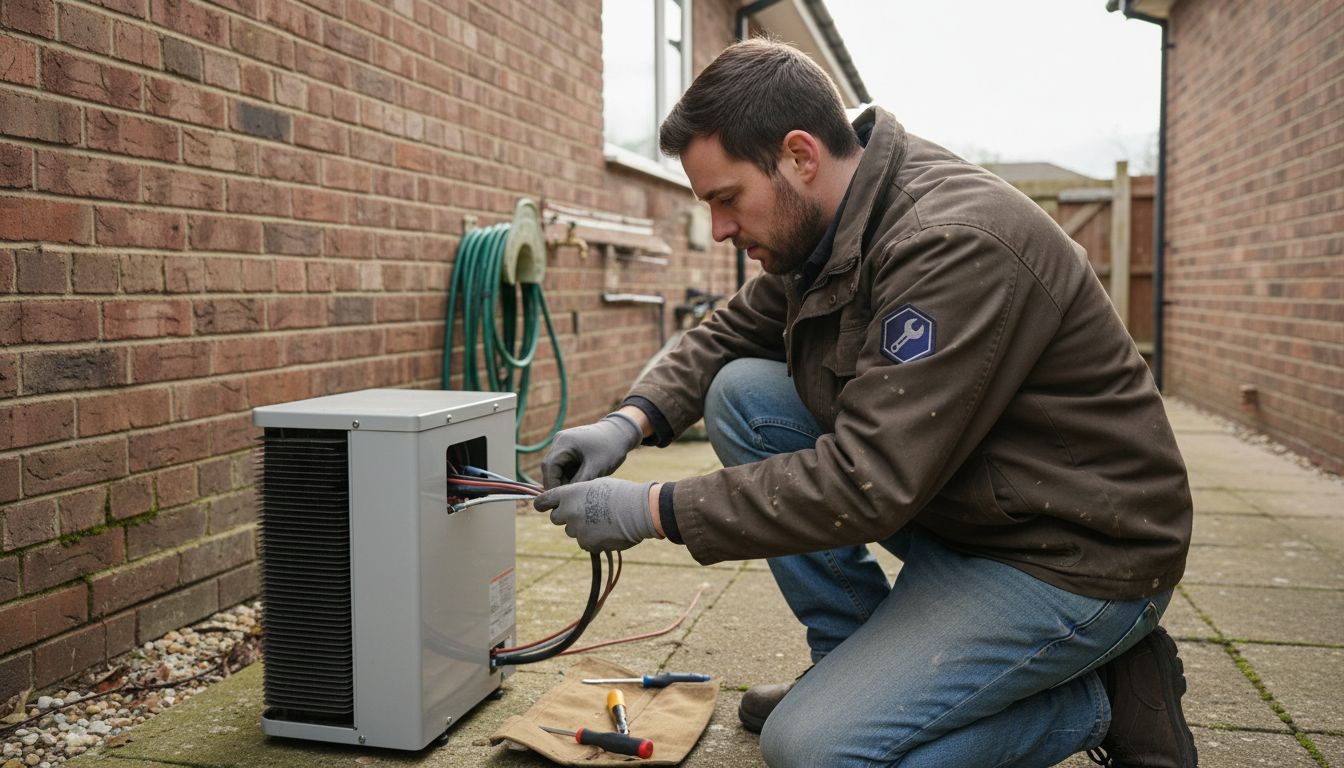
Heat pumps represent a particularly innovative approach to home heating. These systems effectively capture environmental heat—whether from outside air or underground sources—and concentrate it for home use. Unlike traditional boilers that generate heat through fuel combustion, heat pumps move existing heat, making them significantly more energy-efficient. This process allows them to produce several units of heat energy for every unit of electricity consumed.
The efficiency of low carbon heating depends on multiple factors, including property insulation, local climate, and specific technology implementation. Homeowners can maximise performance by ensuring proper building envelope integrity, selecting appropriate system configurations, and integrating complementary energy-saving measures.
Pro tip: Conduct a comprehensive home energy assessment to determine the most suitable low carbon heating technology for your specific property characteristics and thermal requirements.
Impact on EPC and Energy Compliance
Low carbon heating technologies are fundamentally reshaping energy performance standards and compliance requirements for UK properties. These innovative systems directly influence Energy Performance Certificate (EPC) ratings by introducing more efficient and sustainable heating mechanisms that significantly reduce carbon emissions.
Key impacts on EPC and energy compliance include:
- Regulatory Alignment
- Promoting lower carbon emissions
- Improving overall energy efficiency ratings
- Supporting national decarbonisation targets
- Performance Metrics
- Increasing EPC rating potential
- Reducing energy consumption
- Enhancing property valuation
Energy Performance Certificates now increasingly evaluate heating systems through the lens of carbon efficiency rather than traditional energy consumption metrics. This shift means that properties implementing low carbon heating technologies can potentially achieve higher EPC ratings, reflecting their reduced environmental impact and improved thermal performance.
The evolving regulatory landscape, including schemes like the Energy Company Obligation (ECO), is driving substantial changes in how properties are assessed. Housing associations and property owners must now navigate more stringent standards that prioritise low carbon solutions, with potential financial incentives and penalties tied to energy performance compliance.
Pro tip: Proactively invest in low carbon heating technologies to improve your property’s EPC rating and stay ahead of emerging energy efficiency regulations.
Costs, Savings, and Key Considerations
Heat pump installation costs and benefits represent a complex financial landscape for UK property owners considering low carbon heating solutions. While initial investments can be substantial, government incentives and long-term energy savings make these technologies increasingly attractive for environmentally conscious homeowners.
Key financial considerations include:
- Upfront Investment
- Higher initial installation costs
- Government grants up to £7,500 available
- Potential property value enhancement
- Long-Term Savings
- Reduced energy bills
- Lower carbon emissions
- Improved energy efficiency
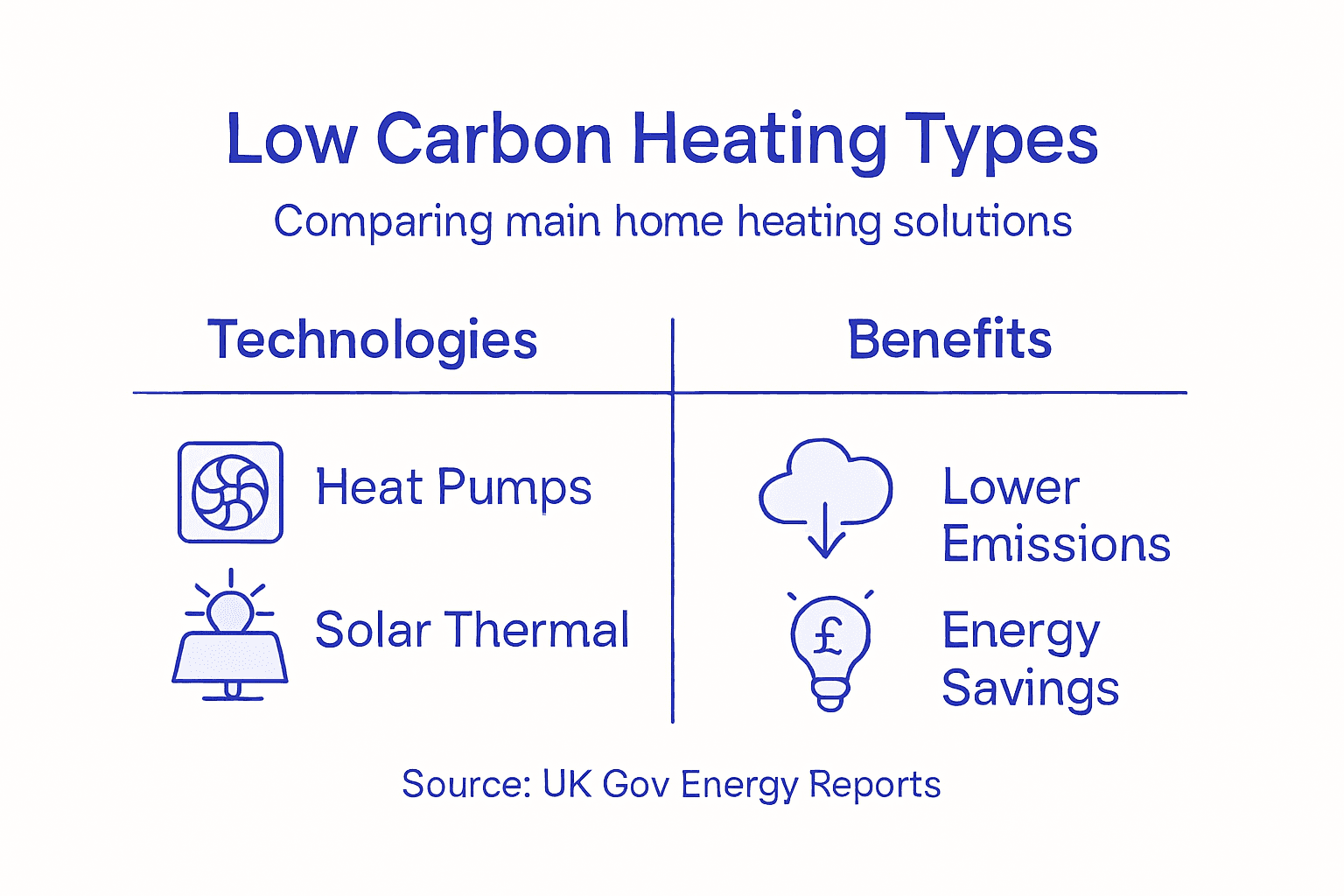
Energy efficiency plays a crucial role in determining the overall financial viability of low carbon heating systems. Properties with high-quality insulation and modern heating distribution systems can maximise the performance of technologies like heat pumps, which are approximately three times more energy-efficient than traditional fossil fuel boilers.
The total cost-benefit analysis extends beyond immediate financial considerations, encompassing environmental impact, potential government incentives, and future energy pricing trends. Property owners must evaluate their specific circumstances, including home infrastructure, local climate conditions, and long-term sustainability goals when making investment decisions.
The following table summarises key financial and practical factors for low carbon heating investment:
| Factor | Typical Impact | Consideration for Property Owners |
|---|---|---|
| Upfront Cost | Substantially higher than gas boilers | Grants and incentives may reduce it |
| Running Cost | Lower with efficient systems | Dependent on insulation and tariffs |
| Installation Disruption | Moderate, may involve upgrades | Plan for temporary inconvenience |
| Property Value | Likely to increase with high EPC | Attractive for future buyers |
Pro tip: Conduct a comprehensive energy assessment and explore available government grants before investing in low carbon heating technologies to optimise your financial and environmental returns.
Take Control of Your Low Carbon Heating Journey Today
Understanding low carbon heating technologies and their impact on energy efficiency is vital for every property owner aiming to reduce carbon emissions and improve EPC ratings. The challenge lies in choosing the right heating solution that suits your building’s specific needs while meeting evolving regulatory standards. At Complete EPC, we specialise in providing professional Energy Performance Certificates that highlight the most effective energy-saving measures tailored to your home or commercial property in London.
Don’t let uncertainty delay your path to a greener, more cost-effective heating system. Gain expert insights and reliable EPC assessments that not only ensure compliance but also identify opportunities to enhance your property’s efficiency and value. Visit Complete EPC now and take the first step towards reducing your energy costs while supporting sustainability. Discover how our team of qualified assessors can help you meet low carbon heating requirements with confidence.
Frequently Asked Questions
What is low carbon heating?
Low carbon heating refers to technologies and systems that significantly reduce greenhouse gas emissions by transitioning away from fossil fuel-based heating to more environmentally friendly alternatives, such as heat pumps, biomass boilers, and solar thermal systems.
How do heat pumps work in low carbon heating?
Heat pumps operate by extracting thermal energy from the environment, such as air or ground sources, and using minimal electricity to transfer that heat into a building. This process is much more efficient than traditional heating methods, producing multiple units of heat per unit of electricity consumed.
What are the benefits of low carbon heating systems?
Low carbon heating systems lower carbon emissions, improve energy efficiency, and can provide long-term savings on energy bills. They also contribute to national climate goals and may enhance property value through improved Energy Performance Certificate (EPC) ratings.
What should I consider when choosing a low carbon heating system?
When selecting a low carbon heating system, consider factors such as the property’s insulation quality, local climate, installation costs, and specific energy requirements. Consulting a professional energy assessor can help identify the most suitable option for your circumstances.
Recommended
- Low Carbon Technologies: Improving EPC Ratings in London
- 7 Key Types of Energy Saving Measures for UK Properties
- Complete EPC – Energy Saving Tips For Your Home
- How Energy Statements Contribute to Lowering Carbon Emissions in London – Complete EPC
- Benefits of Home Energy Storage – Powering UK Homes – Skyenergi