

TL;DR:
- Home energy saving solutions in the UK focus on upgrading appliances, insulation, and using smart technology to reduce costs. Conducting a professional energy audit helps identify the most effective improvements before investing in structural upgrades like insulation or renewable systems. Combining behavioural changes, proper audits, and phased upgrades optimizes long-term savings and energy efficiency.
Home energy saving solutions are practical methods and technologies that reduce energy consumption and costs in residential properties. The term covers everything from switching off standby appliances to installing loft insulation and solar panels. In the UK, where energy bills remain a significant household expense, knowing which measures deliver the best return matters enormously. This guide covers the highest-impact strategies first, then walks you through audits, behavioural changes, structural upgrades, and smart technology so you can build a plan that fits your budget and property type.
Which home energy saving solutions deliver the biggest savings?
The highest-impact measures target the appliances and systems that consume the most energy. Major appliances such as air conditioners, refrigerators, and water heaters account for roughly 80% of home electricity use. Upgrading these first gives you the greatest reduction in bills for every pound spent.

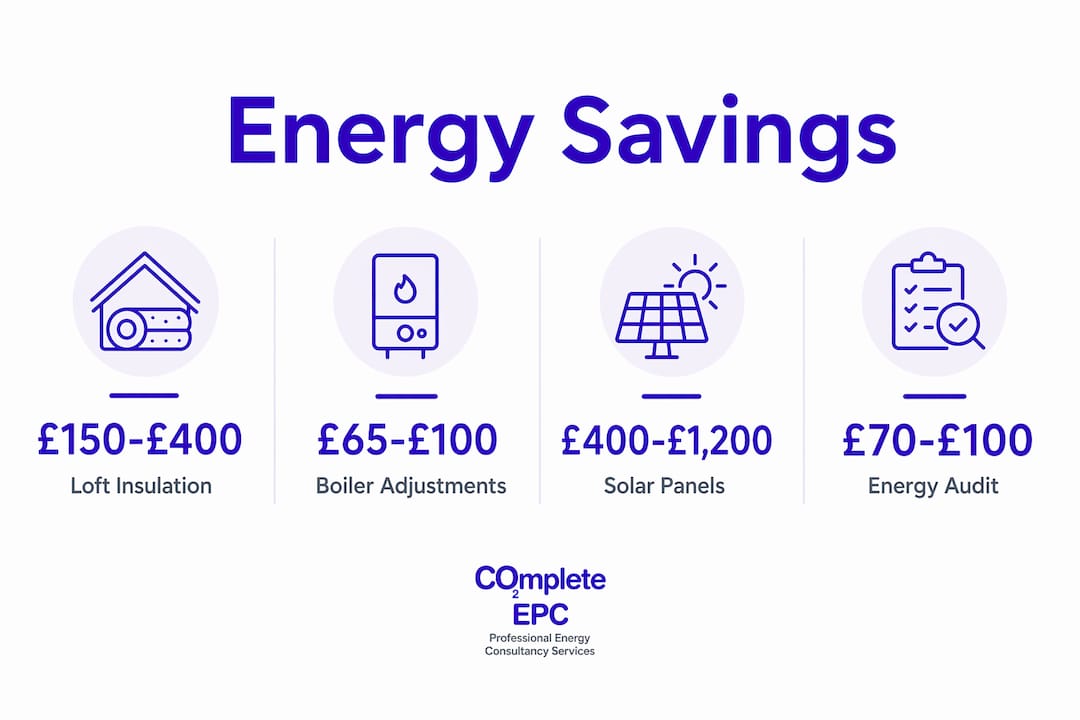
Insulation ranks alongside appliance upgrades as a top priority. Loft insulation saves £150–£400 per year with a payback period of just 2–6 years, and cavity wall insulation cuts heat loss by up to 35%. These figures make insulation one of the most reliable investments a homeowner can make.
Boiler adjustments are often overlooked but highly effective. Lowering your combi-boiler flow temperature saves £65–£100 annually with little to no upfront cost. That is a meaningful saving for a change that takes under five minutes.
| Solution | Estimated annual saving | Approximate payback |
|---|---|---|
| Loft insulation | £150–£400 | 2–6 years |
| Cavity wall insulation | Up to 35% heat loss reduction | 3–5 years |
| Combi-boiler flow temp adjustment | £65–£100 | Immediate |
| LED lighting | £40–£90 | Under 1 year |
| Solar panels | £400–£1,200 | 10–15 years |
Pro Tip: Start with the boiler flow temperature and LED lighting before committing to any major spend. Both changes cost almost nothing and deliver savings from day one.
How to conduct a home energy audit and why it matters
A home energy audit is the process of assessing how and where your property uses energy, identifying inefficiencies, and producing a prioritised list of improvements. Think of it as a home energy audit checklist brought to life by a trained professional or a thorough self-assessment. Without this baseline, you risk spending money on upgrades that do not address your property’s actual weaknesses.
A professional audit typically covers the following areas:
- Insulation levels in the loft, walls, and floors
- Draught sources around windows, doors, and pipework
- Heating system efficiency, including boiler age and controls
- Lighting and appliance energy ratings
- Ventilation and moisture levels, particularly in older properties
A professional audit can identify products and immediate savings worth around £800 and annual savings of £70–£100 before any retrofits are carried out. That figure alone justifies the cost of a professional assessment for most households.
Older properties require particular care. Professional audits before DIY sealing are strongly advised in homes that may contain asbestos, outdated wiring, or hidden mould. Attempting to seal a property without understanding its ventilation needs can cause moisture problems that cost far more to fix than the energy saved.
Renters can also benefit from self-audits. Walk through each room with a candle or incense stick near window frames and skirting boards to locate draughts. Note which appliances are oldest and check their energy ratings. Share your findings with your landlord, as many improvements are their legal responsibility.
Pro Tip: Book a professional audit in autumn before the heating season begins. Assessors can test your home under realistic conditions, and you will have time to act on recommendations before winter.
What low-cost behavioural changes provide immediate savings?
Behavioural changes and tariff management remain the most effective starting points for reducing energy bills. They cost nothing to implement and deliver results from the first day. The key is consistency rather than occasional effort.
Here are the most impactful habits to adopt:
- Lower your thermostat by 1°C. This single change can reduce your heating bill by up to 10% annually.
- Wash clothes at 30°C instead of 40°C. Combined with boiling only the water you need, simple habits like these can save over £100 per year without any investment.
- Switch to LED bulbs throughout your home. LED lighting pays back within one year and saves £40–£90 annually per household.
- Use draught excluders and radiator reflector panels. Fitting reflector panels behind radiators on external walls directs heat back into the room rather than into the wall.
- Turn off electronics at the wall. Standby power across a typical UK home adds a noticeable amount to annual bills.
- Run dishwashers and washing machines at off-peak times. If you are on a time-of-use tariff, shifting loads to evenings or weekends cuts costs significantly.
Home energy conservation through behaviour is not about sacrifice. It is about making deliberate choices that add up over a full year. A household that combines thermostat reduction, LED lighting, and efficient appliance use can realistically save £200 or more annually without spending a penny on upgrades.
Pro Tip: Set a recurring reminder on your phone to check your thermostat settings at the start of each season. Heating habits formed in winter often carry over into spring, wasting energy unnecessarily.
How to evaluate structural upgrades for long-term savings
Structural improvements deliver the largest long-term savings but require upfront investment and careful planning. The principle is straightforward: reduce your home’s energy demand first, then install the smallest heating or cooling system required to meet that reduced demand. Homeowners who oversize heating systems negate the efficiency gains from better-rated appliances, paying more for equipment that runs inefficiently.
Insulation is the foundation of any structural upgrade plan. Thermal retention through insulation and draught-proofing creates a warmer, more comfortable home before any technology is introduced. The Great British Insulation Scheme provides funding support for eligible households, making loft and cavity wall insulation more accessible than many homeowners realise.
Solar panels and heat pumps represent the next tier of investment. Solar panels can yield £400–£1,200 in annual savings, though payback periods extend to 10–15 years depending on your location, roof orientation, and energy usage. Air source heat pumps work most effectively in well-insulated properties, which is another reason to address insulation before considering renewable technology.
When evaluating air conditioning or cooling upgrades, the efficiency sweet spot matters. Air conditioning units rated 18–20 SEER offer the best cost-to-benefit ratio. Higher-rated units provide diminishing returns despite significantly higher purchase prices. Choosing a mid-range efficiency unit and investing the difference in insulation will almost always produce better overall results.
| Upgrade | Typical cost | Annual saving | Payback period |
|---|---|---|---|
| Loft insulation | £300–£600 | £150–£400 | 2–6 years |
| Cavity wall insulation | £500–£1,500 | Up to 35% heat loss | 3–5 years |
| Solar panels | £5,000–£9,000 | £400–£1,200 | 10–15 years |
| Air source heat pump | £7,000–£13,000 | Varies by property | 8–12 years |
| Double glazing | £3,000–£6,000 | £100–£200 | 15–25 years |
Pro Tip: Always improve insulation and seal draughts before installing a heat pump or solar system. Undersizing your heating system after improving thermal retention will save you money on both the equipment and running costs.
How do smart technologies and tariffs reduce energy bills?
Smart meters, smart thermostats, and dynamic tariffs work together to give you control over when and how you use energy. Understanding what each one actually does prevents wasted spending on technology that does not match your lifestyle.
Smart meters do not reduce bills on their own. Smart meters enable dynamic tariffs and load shifting, which together cut costs by 20–35%. The meter is the enabler; the tariff and your behaviour are what produce the saving.
Smart thermostats such as Nest or Hive add a further layer of control. Smart thermostats save 10–12% on heating and cooling bills by learning your schedule and adjusting temperatures automatically. For a household spending £1,200 per year on heating, that represents £120–£145 in annual savings from a device that typically costs £150–£250 to install.
Additional smart home energy management tools worth considering include:
- Smart plugs that cut standby power to televisions, gaming consoles, and phone chargers
- Smart appliances with delayed-start functions that run during off-peak tariff windows
- Energy monitoring apps linked to your smart meter that show real-time consumption by appliance category
The key to making smart technology work is pairing it with a time-of-use tariff from your energy supplier. Octopus Energy’s Agile tariff and similar products charge less per unit during off-peak hours, typically overnight and at weekends. Shifting your dishwasher, washing machine, and electric vehicle charging to these windows produces genuine savings that compound over a full year.
Pro Tip: Check your energy supplier’s app before buying any smart home device. Many suppliers offer free or subsidised smart thermostats to customers who switch to time-of-use tariffs, removing the upfront cost entirely.
Key takeaways
The most effective approach to reducing home energy costs combines immediate behavioural changes with phased structural upgrades, always prioritising insulation before technology.
| Point | Details |
|---|---|
| Start with behaviour | Lowering thermostat settings and washing at 30°C saves over £100 annually at zero cost. |
| Audit before upgrading | A professional energy audit identifies savings worth £70–£100 per year before any retrofits. |
| Insulate first | Loft and cavity wall insulation deliver 2–6 year payback and form the base for all further upgrades. |
| Smart tech needs the right tariff | Smart meters only save money when paired with dynamic tariffs and deliberate load shifting. |
| Right-size your systems | Oversizing heating or cooling equipment negates efficiency gains from better-rated appliances. |
What I have learned from applying these measures in practice
Working in the energy performance sector, I have seen the same pattern repeat itself. Homeowners invest in solar panels or a heat pump and then wonder why their bills have not fallen as much as expected. The answer is almost always the same: the building fabric was not addressed first.
The properties that achieve the biggest, most consistent savings are the ones where someone took the time to seal draughts, top up loft insulation, and adjust the boiler flow temperature before spending a penny on technology. These are unglamorous steps. They do not come with a shiny installation day or a government grant announcement. But they work, and they work reliably.
I would also push back on the idea that structural upgrades are only for homeowners. Renters have more leverage than they think. Documenting draughts, cold walls, and inefficient heating and presenting that evidence to a landlord, backed by an EPC rating, is a legitimate route to improvements. Landlords in England are legally required to meet minimum energy efficiency standards, and many are unaware their property falls short.
My honest advice: start this week with the boiler flow temperature and a packet of draught excluders. Plan your insulation upgrade for the next six months. Then, and only then, think about solar or a heat pump. The sequence matters as much as the measures themselves.
— Danny
How Completeepc can help you take the next step
Understanding your property’s current energy performance is the foundation of any improvement plan. Completeepc provides accredited domestic energy assessments across London, carried out by qualified assessors with extensive experience in both residential and commercial properties. An Energy Performance Certificate from Completeepc gives you a clear picture of where your home sits on the A to G rating scale and a prioritised list of recommended improvements. Whether you are a homeowner planning upgrades, a landlord meeting compliance requirements, or a buyer assessing a new property, a professional EPC is the logical first step. Completeepc guarantees the lowest EPC rates in the UK market. Discover more about the benefits of an EPC for your property today.
FAQ
What are the quickest home energy saving solutions to implement?
Lowering your thermostat by 1°C, switching to LED lighting, and adjusting your combi-boiler flow temperature are the fastest changes to make. These three steps combined can save over £165 per year with little to no upfront cost.
How much can loft insulation save on energy bills?
Loft insulation saves between £150 and £400 per year, with a payback period of 2–6 years. It is one of the highest-return structural upgrades available to UK homeowners.
Do smart meters actually reduce energy bills?
Smart meters do not reduce bills directly. They unlock access to dynamic tariffs and enable load shifting, which together can cut energy costs by 20–35% when used actively.
What does a home energy audit include?
A professional home energy audit covers insulation levels, draught sources, heating system efficiency, appliance ratings, and ventilation. It typically identifies annual savings of £70–£100 before any physical upgrades are carried out.
Should renters bother with energy efficiency improvements?
Renters can implement no-cost behavioural changes immediately and are entitled to request improvements from landlords under UK minimum energy efficiency standards. Documenting issues and referencing the property’s EPC rating strengthens any request made to a landlord.