
TL;DR:
- Home energy assessments identify waste, prioritize improvements, and help homeowners save on energy costs. They involve on-site inspections, infrared imaging, and analysis of utility data to produce actionable recommendations with estimated savings. These assessments boost property value, qualify homeowners for rebates, and support effective planning for energy upgrades.
Residential energy assessments are professional evaluations of how a home uses energy, identifying waste and recommending targeted improvements to reduce costs and increase comfort. Known formally as home energy audits, these assessments give homeowners and property managers a clear picture of where energy is being lost and what to do about it. A typical assessment takes around 60 minutes and uses specialist tools including blower door tests and infrared cameras. The result is not a vague report but a ranked list of improvements with real savings estimates attached. For any property owner considering energy upgrades, an assessment is the logical first step.
What happens during a residential energy assessment?
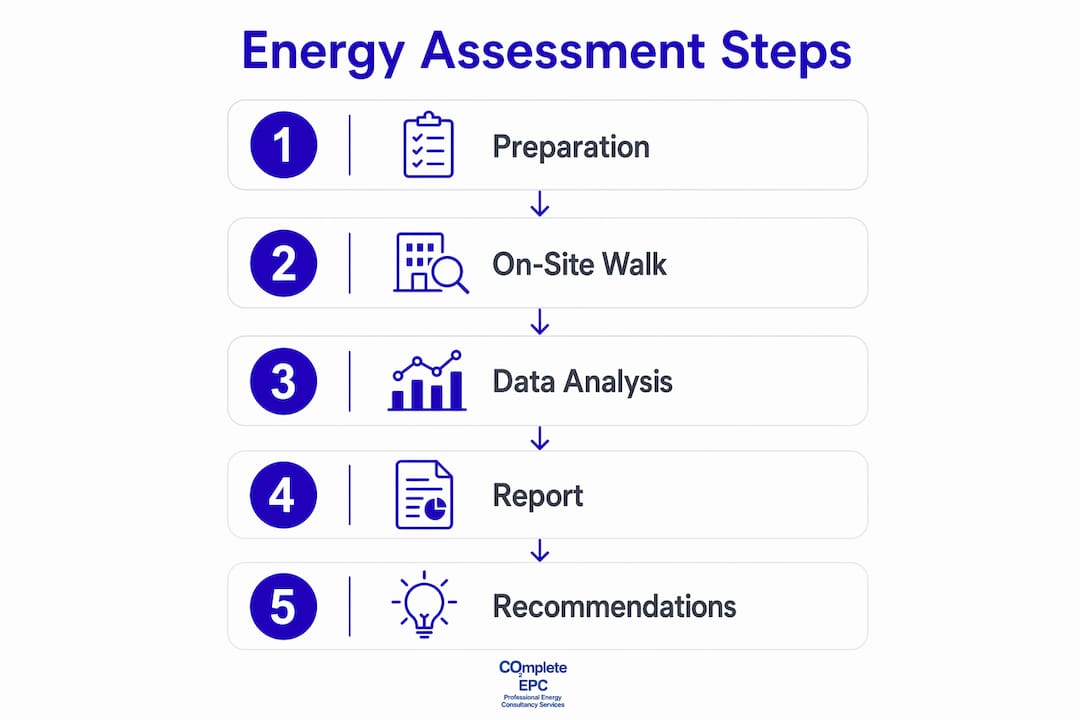
The energy audit process follows a clear sequence, from preparation through to a written report with recommendations. Knowing what to expect helps you get the most from the visit.
Before the assessor arrives
Preparation makes a measurable difference to the quality of your results. Utility bills covering at least one year are required to establish an accurate energy baseline. Without that data, the assessor cannot reliably identify whether your consumption is high relative to your home’s size and construction. Gather bills for gas, electricity, and any other fuel sources before the appointment. Note any rooms that feel draughty, damp, or difficult to heat, as these observations help the assessor prioritise where to look first.
The on-site inspection
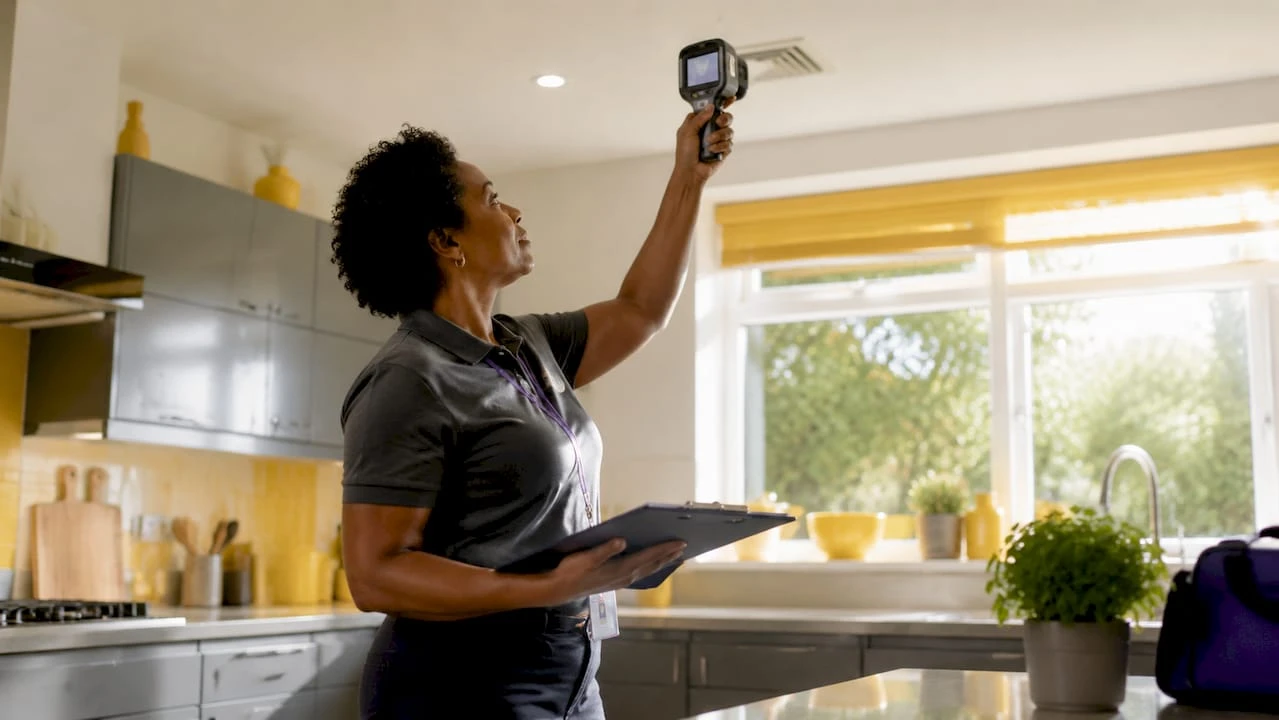
The assessor conducts a room-by-room walk-through, examining insulation levels, window seals, loft access, boiler age, and ventilation. A blower door test depressurises the building to measure air leakage, revealing gaps that are invisible to the naked eye. Infrared cameras detect thermal leaks in walls and ceilings, though accurate thermal imaging requires at least a 20°F temperature difference between indoors and outdoors. This is why winter assessments often produce the most detailed thermal data. The assessor also checks heating and cooling equipment efficiency, hot water systems, and lighting.
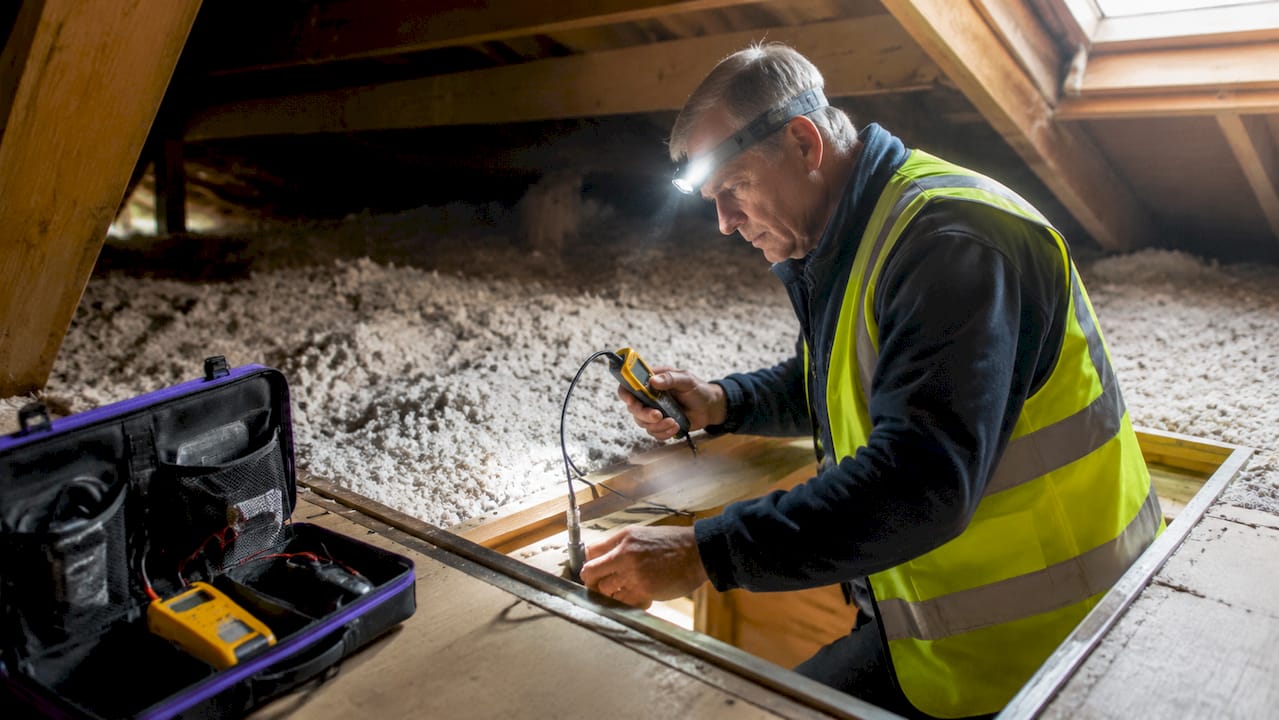
Pro Tip: Book your assessment during colder months if possible. The greater the temperature difference between inside and outside, the more clearly infrared cameras reveal heat loss through walls, floors, and ceilings.
From data to report
Once the inspection is complete, the assessor analyses all measurements alongside your utility history. The output is a ranked list of Energy Conservation Measures, known as ECMs, each with an estimated annual saving and a payback period. A structured energy audit connects physical inspection data with operational energy records to produce this prioritised list, not just a general checklist. You receive a written residential energy report that serves as your planning document for any future upgrades.
What are the common findings from home efficiency assessments?
Most homes share the same core inefficiencies. Knowing what assessors typically find helps you understand what to expect and where the biggest savings usually lie.
The most frequent issues identified during home efficiency assessments are:
- Air leakage around doors, windows, loft hatches, and pipe penetrations
- Insufficient loft or wall insulation, often below current building regulation standards
- Ageing boilers or heating systems operating well below their rated efficiency
- Single-glazed or poorly sealed windows causing significant heat loss
- Outdated lighting such as halogen or incandescent bulbs still in use
- Inefficient appliances, particularly older washing machines, fridges, and tumble dryers
Each of these issues appears in the ECM list with a savings estimate. The assessor ranks them by return on investment, so you know which upgrades to tackle first. Common recommended improvements include draught sealing, loft insulation top-ups, smart thermostat installation, LED lighting throughout, and boiler replacement or servicing.
Pro Tip: Focus first on air sealing and insulation before investing in new heating equipment. Reducing heat loss means a smaller, cheaper heating system can do the same job more effectively.
The benefits of energy assessments extend beyond lower bills. Improved insulation and draught sealing also reduce noise from outside, eliminate cold spots, and lower the risk of condensation and damp. Carbon emissions fall in line with reduced fuel consumption, which matters increasingly for compliance with UK net zero targets. The assessment gives you a clear, costed plan rather than a list of vague suggestions.
How do energy efficiency evaluations lead to financial savings?
The financial case for home energy audits is well established. Assessments qualify homeowners for rebates and financing options that are not available without a formal evaluation. Many energy suppliers and local authorities in the UK offer grant funding tied directly to assessment findings, including the Great British Insulation Scheme and the Energy Company Obligation. An assessment report is often the document that unlocks access to these programmes.
The scale of savings possible is significant. One large facility case study recorded $310,000 in annual savings and a reduction of 1,250 tonnes of carbon emissions after implementing more than 20 assessment-led measures. Residential properties operate at a smaller scale, but the proportional impact is comparable. Draught sealing alone can cut heating bills noticeably, while loft insulation typically pays back within two to three years. For practical guidance on energy conservation measures and their payback periods in domestic settings, detailed case data is available from specialist sources.
The effect on property value is equally concrete. Certified energy ratings signal cost-effectiveness to buyers and are increasingly scrutinised during property transactions. A higher EPC rating reduces a buyer’s anticipated running costs, which translates directly into willingness to pay more. Understanding the role of EPCs in London’s property market shows how energy performance has become a standard factor in valuation.
| Improvement | Typical cost range | Estimated payback period |
|---|---|---|
| Draught sealing | Low | Under 1 year |
| Loft insulation top-up | Low to medium | 2–3 years |
| Smart thermostat | Low | 1–2 years |
| Cavity wall insulation | Medium | 3–5 years |
| Boiler replacement | High | 5–10 years |
The Department of Energy recommends completing an assessment before installing any renewable energy system such as solar panels or a heat pump. Skipping the assessment means potentially oversizing or undersizing new equipment for a home that still has avoidable heat loss. Fixing the fabric of the building first produces better results at lower cost.
How do you choose a qualified energy assessor?
Choosing the right assessor determines the quality of your report and the reliability of its recommendations. Certification is the primary filter. In the UK, domestic energy assessors must be accredited through a government-approved scheme to produce valid EPC reports. Look for membership of schemes such as Elmhurst Energy, Stroma Certification, or ECMK, all of which operate under the Ofgem framework.
When selecting an assessor, check for the following:
- Government-approved accreditation for domestic energy assessment
- Professional indemnity insurance covering the assessment and report
- Experience with your property type, whether a Victorian terrace, a purpose-built flat, or a newer build
- Clear written report included in the service, not just a verbal summary
- Transparent pricing with no hidden charges for the EPC certificate itself
Ask the assessor how they handle properties with unusual construction, such as solid walls or non-standard insulation. A qualified assessor will explain their methodology clearly. You are not obliged to act on any recommendation the report makes. Assessments carry no obligation to implement upgrades. They function as a planning tool, giving you the information to make decisions on your own timeline and budget. The EPC assessment process in London follows a defined sequence that qualified assessors are trained to follow consistently.
Working collaboratively during the walk-through improves the outcome. Point out any recent works such as new windows, insulation, or boiler replacements, as these affect the rating. Mention any areas of the property you cannot access, so the assessor can note limitations in the report. The more information you share, the more accurate and useful the final document becomes.
Key takeaways
A residential energy assessment is the most cost-effective first step a homeowner can take before committing to any energy upgrade or renewable installation.
| Point | Details |
|---|---|
| Assessments precede upgrades | Complete an assessment before installing renewables to avoid oversizing or wasting investment. |
| Preparation improves accuracy | Provide at least one year of utility bills and note problem areas before the assessor arrives. |
| ECMs are ranked by ROI | The report prioritises improvements by payback period, not just energy impact. |
| No obligation to act | Assessments are planning tools; you choose which recommendations to implement and when. |
| Ratings affect property value | A higher EPC rating signals lower running costs to buyers and supports a stronger sale price. |
Why assessments are worth more than most homeowners realise
Most homeowners I speak with assume an energy assessment will tell them to buy a new boiler or fit solar panels. That is rarely the first recommendation. The assessors who produce the most useful reports spend the majority of their time on the building fabric: walls, floors, loft, and the gaps around pipes and cables. These are unglamorous fixes, but they deliver the fastest payback and make every other upgrade work better.
The other misconception is that assessments are only useful when you are planning a major renovation. In practice, they are equally valuable for a property you have no intention of changing soon. The report tells you what your home is costing you in wasted energy right now, and that figure alone often motivates action on the low-cost measures. Draught-proofing a loft hatch costs almost nothing and can be done in an afternoon.
Emerging tools such as thermal drone surveys and remote blower door testing are making assessments faster and more detailed. These technologies are beginning to appear in the UK market, though the core methodology remains the same. What has changed is the quality of the data and the precision of the savings estimates in the report.
The most important shift I would encourage is to treat the report as a living document, not a one-off exercise. Energy use changes as households grow, appliances age, and building fabric deteriorates. Revisiting your assessment every five to seven years keeps your planning current and your costs under control.
— Danny
How Completeepc supports your energy performance needs
Completeepc provides domestic energy performance certificates for homeowners and property managers across London, carried out by fully accredited assessors. Every assessment follows the government-approved methodology and produces a valid EPC report that meets legal requirements for lettings and sales. Completeepc offers competitive pricing with no hidden fees, and the team is available to advise on what to expect before and after the assessment. Whether you need a certificate for compliance, a property transaction, or to understand your home’s current EPC rating before planning improvements, Completeepc delivers a clear, reliable service. Contact the team to schedule your assessment at a time that suits you.
FAQ
How long does a home energy assessment take?
A professional home energy assessment takes approximately 60 minutes for a standard residential property, though larger or more complex homes may take longer.
Do I have to carry out the recommended upgrades after an assessment?
No. Assessments carry no obligation to implement any improvements. The report is a planning document you use at your own pace and budget.
What documents should I prepare before my assessment?
Provide at least one year of utility bills covering gas and electricity. Without this baseline data, the assessor cannot accurately measure your home’s energy consumption against its size and construction.
Will a better EPC rating increase my property’s value?
Yes. Certified energy ratings signal lower running costs to buyers, which supports a stronger asking price and can speed up a sale in a competitive market.
Should I get an assessment before installing solar panels or a heat pump?
The Department of Energy states that assessments should precede renewable system installation. Fixing insulation and air leakage first means the new system can be sized correctly, reducing upfront cost and improving performance.