
If you are selling, letting, or newly constructing a UK property, you must arrange a valid Energy Performance Certificate (EPC) before marketing begins. An EPC is the official document that shows how energy-efficient a building is, rated on a scale from A (most efficient) to G (least efficient), and it is a legal requirement under UK law. The responsibility falls on the owner, landlord, or builder — not the buyer or tenant.
Three things to do right now:
- Commission an accredited assessor before you list or advertise the property.
- Check whether an existing EPC is still within its 10-year validity period on the EPB Register.
- Make the certificate available to prospective buyers or tenants free of charge at the earliest opportunity.
Pro Tip: If you are unsure whether a current EPC exists for your property, search the EPB Register using the property address before booking a new assessment — you may already have a valid certificate.
Key takeaways
An EPC is a legal requirement for any UK property being sold, let, or newly constructed — and it must be in place before marketing begins.
| Point | Details |
|---|---|
| Legal trigger events | You need an EPC when selling, letting, or constructing a property — before marketing. |
| Validity period | Every EPC lasts 10 years from issue; check the EPB Register before assuming yours is current. |
| Who commissions it | Owners and landlords arrange the EPC; builders carry the obligation for new builds. |
| Ratings explained | The A–G scale shows current and potential efficiency based on building fabric, not occupant behaviour. |
| Completeepc | Provides accredited domestic and commercial EPCs across London with fast turnaround and competitive pricing. |
Table of Contents
- What does an EPC show you about a property?
- When must you have an EPC, and who is responsible?
- How is an EPC produced and registered?
- How long does an EPC last, and what does it cost?
- Are there buildings that do not need an EPC?
- What happens if you fail to provide a valid EPC?
- Practical checklist for sellers, landlords, and agents
- How to get an EPC in the UK: step by step
- A practical perspective on common compliance problems
- Completeepc: compliant EPCs with fast turnaround
- Sources
- FAQ
What does an EPC show you about a property?
Every EPC displays two ratings: the current energy-efficiency score and the potential score the property could achieve if the recommended improvements were made. Both sit on the A–G band scale, with A+ sometimes used for high-performing non-domestic buildings.
The rating is an asset rating — it reflects the building’s fabric and fixed services (insulation, heating system, glazing, hot water) rather than how the current occupants actually use energy. Two identical houses will receive the same rating regardless of whether one household showers for three minutes or thirty.
The EPC’s purpose is transparency. It gives buyers and tenants the information they need to factor energy costs and efficiency into their decision before they commit to a property.
Standard elements on every certificate include:
- Current and potential energy-efficiency rating (A–G)
- Environmental impact estimate, expressed as CO2 emissions
- Typical annual energy costs based on standard occupancy assumptions
- A recommendations report listing cost-effective improvements with indicative costs and payback periods
The recommendations are advisory, not mandatory. Certificates are generated directly from data lodged on the EPB Register, so the accuracy of the assessor’s recorded measurements determines the quality of the output.
When must you have an EPC, and who is responsible?
The Energy Performance of Buildings (England and Wales) Regulations 2012 set out three legal trigger events:
- Construction — the builder must provide an EPC to the person who commissioned the work.
- Sale — the owner must commission an EPC before marketing and supply it to prospective buyers at the earliest opportunity.
- Letting — the landlord must have a valid EPC in place before marketing and provide it to prospective tenants free of charge.
The duty to commission sits with the owner or landlord. For new builds, the builder carries that obligation and must supply the certificate to the commissioning client and, where applicable, to Building Control within the statutory period after completion.
Pro Tip: Estate agents frequently list properties before confirming an EPC is in place. As the owner or landlord, you — not the agent — are legally responsible for ensuring a valid certificate exists before any marketing material goes live.
How is an EPC produced and registered?
Only accredited domestic or non-domestic energy assessors, operating under Approved Organisations, may produce a valid EPC. Guidance for non-dwellings confirms that assessors lodge their data directly on the EPB Register, which then generates the certificate automatically.
During the assessment, the assessor records data on:
- Wall, roof, and floor construction and insulation levels
- Heating system type, age, and controls
- Window glazing type and area
- Hot water provision and any renewable energy installations
- Total floor area and building orientation
Standard occupancy assumptions are applied throughout, which is why your actual energy bills rarely match the certificate’s estimated costs. To speed the visit, have the boiler make and model, any insulation certificates, and meter locations ready before the assessor arrives.
How long does an EPC last, and what does it cost?
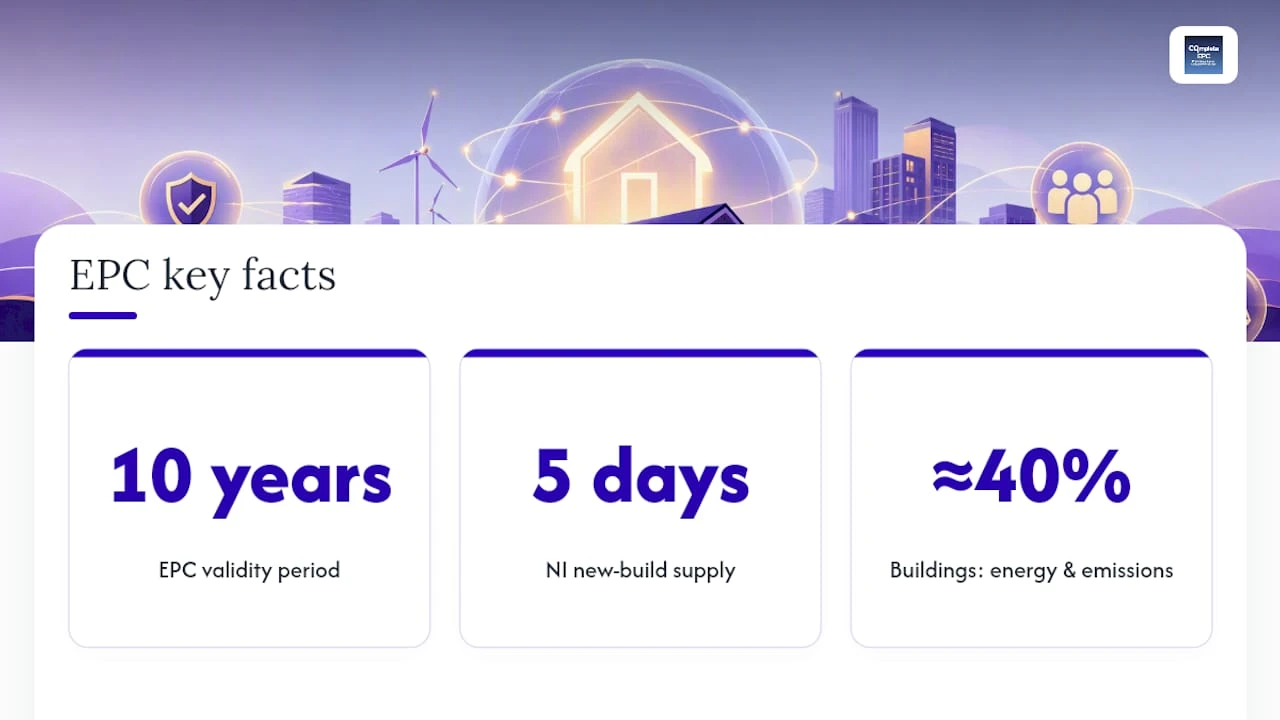
An EPC is valid for 10 years from the date of issue. You must renew it before that date expires if you intend to market the property again. For newly constructed buildings, the builder’s obligation to supply the certificate to the commissioning client and to Building Control applies within a short statutory period after completion — in Northern Ireland, this is five days.
EPC costs are market-determined and vary with property size, type, and location. Domestic assessments for a small flat typically cost less than those for a large detached house; commercial EPC assessments for non-domestic buildings generally cost more, reflecting the greater complexity of the survey.
Buildings are responsible for almost 40% of the UK’s energy consumption and carbon emissions, which is why government policy uses EPCs as a key lever for improving the national building stock.
Although re-assessment after major improvements is not a legal requirement while the original certificate remains valid, many owners commission a new EPC after upgrading insulation or installing solar panels to capture a better rating before marketing. Installing solar PV is one of the most common triggers for a voluntary re-assessment.
Are there buildings that do not need an EPC?
Not every building requires a certificate. Common exemptions include:
- Certain places of worship and religious buildings
- Stand-alone ancillary buildings with a floor area under 50m², such as a detached garage
- Buildings scheduled for demolition where the owner holds reasonable evidence of planning permission and the intention to demolish
- Temporary buildings with a planned use of two years or less
Scottish technical guidance also sets out display and affixing rules for certificates in certain commercial premises, which differ slightly from England and Wales requirements.
Pro Tip: If you believe an exemption applies, document your grounds in writing before marketing. A planning permission letter or demolition contract is far stronger evidence than a verbal assumption.
Quick exemption check — ask yourself:
- Is the building used for worship or a temporary purpose?
- Is it a stand-alone structure under 50m²?
- Is there confirmed, evidenced intent to demolish?
If you answer yes to any of these, seek formal guidance from your local authority or a qualified assessor before proceeding without a certificate.
What happens if you fail to provide a valid EPC?
Failing to produce a valid EPC when required exposes you to civil penalties and, in practice, can stall or collapse a transaction entirely. Trading Standards officers enforce EPC obligations and may issue fixed penalty notices.
Missing or expired EPCs are among the most common causes of delayed property completions. Discovering the gap mid-transaction is far more costly than commissioning a certificate before marketing.
If you discover an expired or missing EPC during a live transaction:
- Commission an accredited assessor immediately and request an urgent turnaround.
- Notify the buyer’s or tenant’s solicitor in writing and provide the certificate as soon as it is lodged.
- Check whether MEES (Minimum Energy Efficiency Standards) regulations affect your letting — landlords in England and Wales must generally hold an EPC rating of E or above before granting a new tenancy.
Understanding common causes of home energy loss can help you address rating issues before they become compliance problems.
Practical checklist for sellers, landlords, and agents
Follow these steps to stay compliant from instruction to completion:
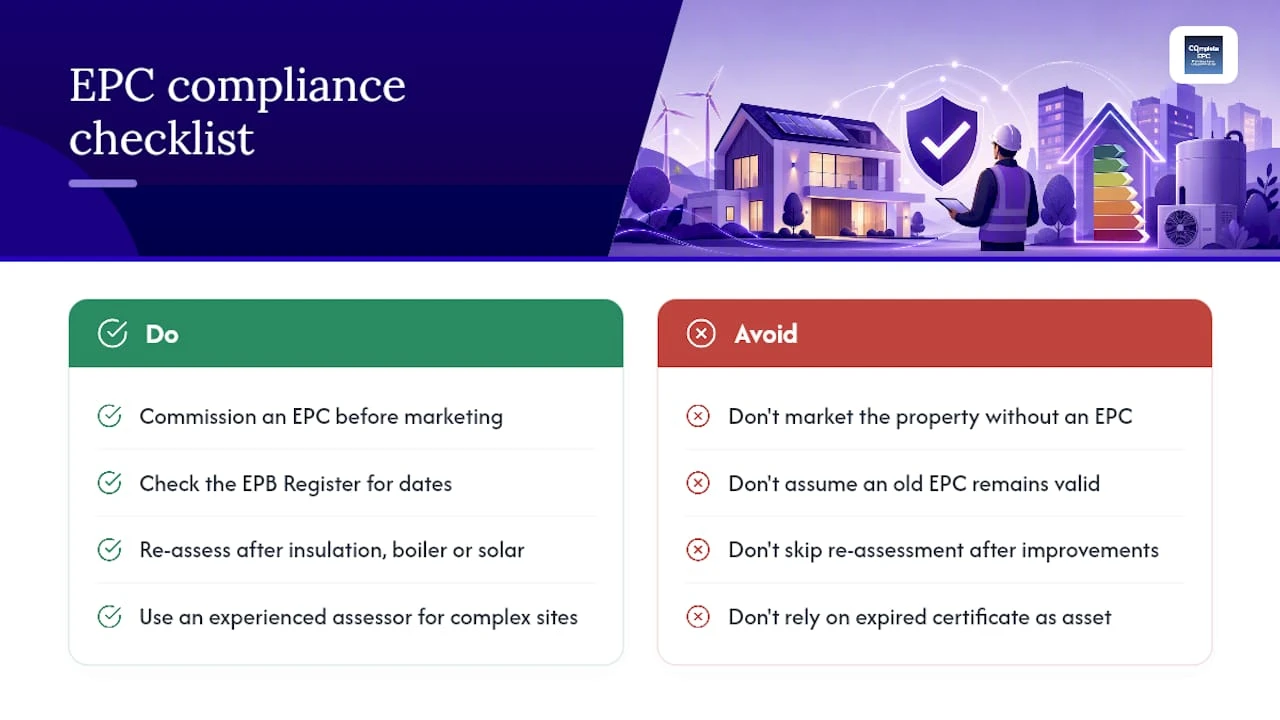
- Confirm whether a valid EPC already exists on the EPB Register.
- If not, appoint an accredited assessor and book the survey before any marketing material is prepared.
- Verify the assessor’s accreditation number with their Approved Organisation.
- Once lodged, obtain the EPB Register reference number for your records.
- Include the EPC rating in all commercial property advertisements.
- Provide the full certificate to prospective buyers or tenants at the earliest opportunity — at viewing stage or on first request.
- At completion, include the EPC reference in the sale or tenancy documents and hand over the certificate to the new owner or tenant.
Pro Tip: Keep a dated email or signed receipt confirming you provided the EPC to each prospective buyer or tenant. This single piece of evidence resolves most later disputes about disclosure.
Additional tasks for letting agents:
- Confirm the EPC rating meets MEES requirements before listing.
- Retain a copy of the certificate on the tenancy file throughout the tenancy.
How to get an EPC in the UK: step by step
Getting a certificate is straightforward when you know what to prepare.
- Find an accredited assessor. Search the relevant Approved Organisation register for your property type — domestic or non-domestic.
- Book the survey. Agree a date that allows the certificate to be lodged before your marketing launch.
- Prepare the property. Ensure access to the loft, boiler cupboard, and all rooms. Gather any insulation certificates, boiler manuals, and planning documents for extensions.
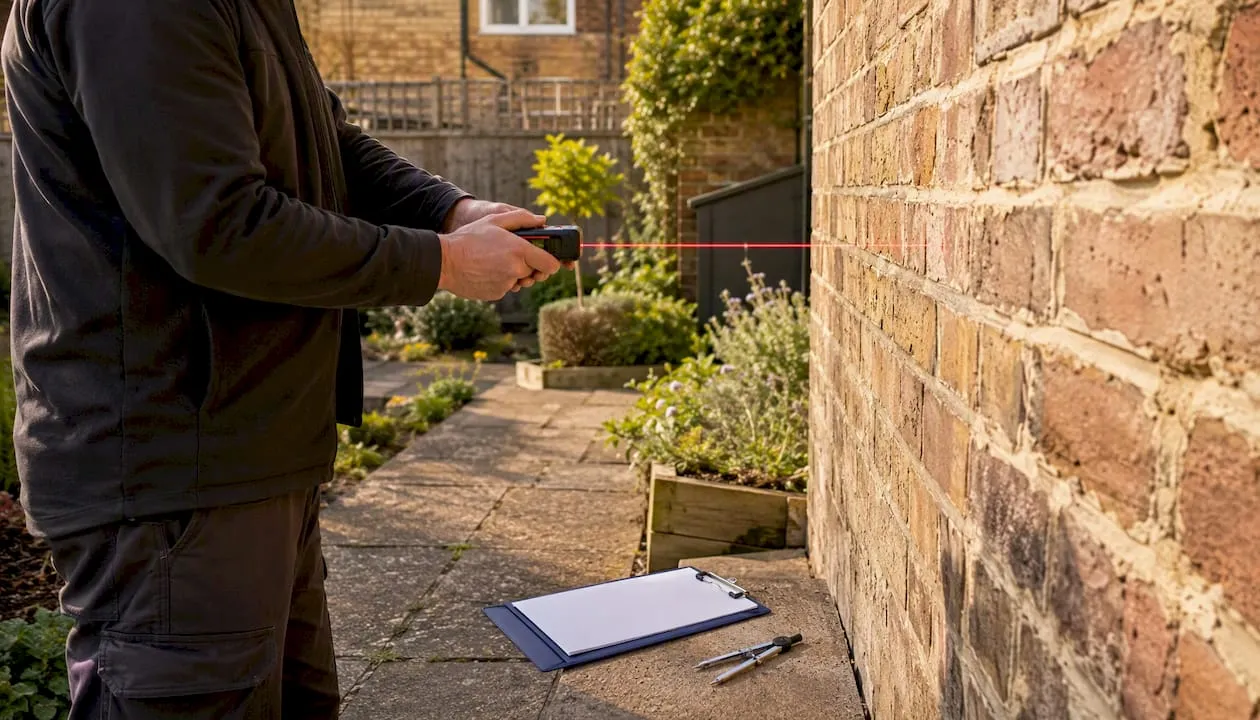
- Attend the assessment. The assessor will measure floor areas, inspect glazing, check heating controls, and record construction details. A typical domestic assessment takes one to two hours.
- Receive the lodged certificate. Once the assessor lodges the data on the EPB Register, the certificate is generated and you receive the reference number. Download and save the PDF.
What to prepare before the assessor arrives:
- Boiler make, model, and installation year
- Any loft or cavity wall insulation certificates
- Details of solar panels or other renewables
- Floor plans or building regulations completion certificates for extensions
A practical perspective on common compliance problems
The most frequent mistake I see is late commissioning. Owners and agents assume the EPC can be arranged after the property goes live, then scramble when a buyer’s solicitor flags the gap. The legal duty is clear: the certificate must exist before marketing, not during it.
The second common error is misreading the 10-year rule. A certificate issued in 2015 expired in 2025. Owners who have held a property for years often assume their EPC is still valid without checking the date. A quick search of the EPB Register takes two minutes and removes all doubt.
Re-assessment after improvements is underused. If you have upgraded insulation, replaced a boiler, or added solar panels since the last assessment, a new EPC will likely show a materially better rating — and a better rating genuinely influences buyer and tenant decisions. The old certificate may still be legally valid, but a higher band is a marketing asset.
Completeepc works with property owners, landlords, and agents across London to resolve exactly these situations: expired certificates, pre-sale re-assessments, and commercial surveys where the complexity of the building demands an experienced assessor.
Completeepc: compliant EPCs with fast turnaround
Completeepc provides accredited domestic and commercial EPC assessments across London, carried out by qualified assessors with deep experience in both residential and non-domestic buildings. Every certificate is lodged directly on the EPB Register, giving you a legally valid document with a clear recommendation report and the EPB reference you need for marketing.
Pricing is competitive, with a lowest-rate guarantee across the UK market. Turnaround is fast — critical when a transaction is already in progress and a missing certificate is holding up exchange. You receive a clear, readable report alongside the certificate, so you understand exactly what the rating means and what improvements would move the needle.
To book an assessment or request a quote, visit the Completeepc commercial EPC page or contact the team directly.
Sources
The following authoritative sources underpin this guide and are worth bookmarking for ongoing compliance reference:
- Gov
- Energy Performance of Buildings Certificates: glossary (UK government PDF)
- Building standards technical handbook 2022: energy — energy performance certificates — Scotland
- Energy Performance Certificates Frequently Asked Questions | Department of Finance (NI)
This article is general information, not a substitute for advice from a qualified lawyer. Consult a qualified legal professional about your own circumstances before acting on anything here.
FAQ
What does EPC stand for in UK property law?
EPC stands for Energy Performance Certificate. It is the legally required document showing a property’s energy-efficiency rating on an A–G scale, valid for 10 years from the date of issue.
Do you need an EPC before putting a property on the market?
Yes. You must commission an EPC before marketing a property for sale or rent and provide it to prospective buyers or tenants free of charge at the earliest opportunity.
How long is an EPC valid for?
An EPC is valid for 10 years from the date it was issued. If the certificate has expired, you must commission a new assessment before marketing the property again.
Are any buildings exempt from needing an EPC?
Yes. Common exemptions include certain places of worship, stand-alone ancillary buildings under 50m², and buildings with confirmed, evidenced plans for demolition. If you think an exemption applies, document your grounds before proceeding.
Can Completeepc provide an EPC for a commercial property?
Yes. Completeepc carries out accredited commercial EPC assessments across London, lodging certificates directly on the EPB Register with fast turnaround and clear recommendation reports.