
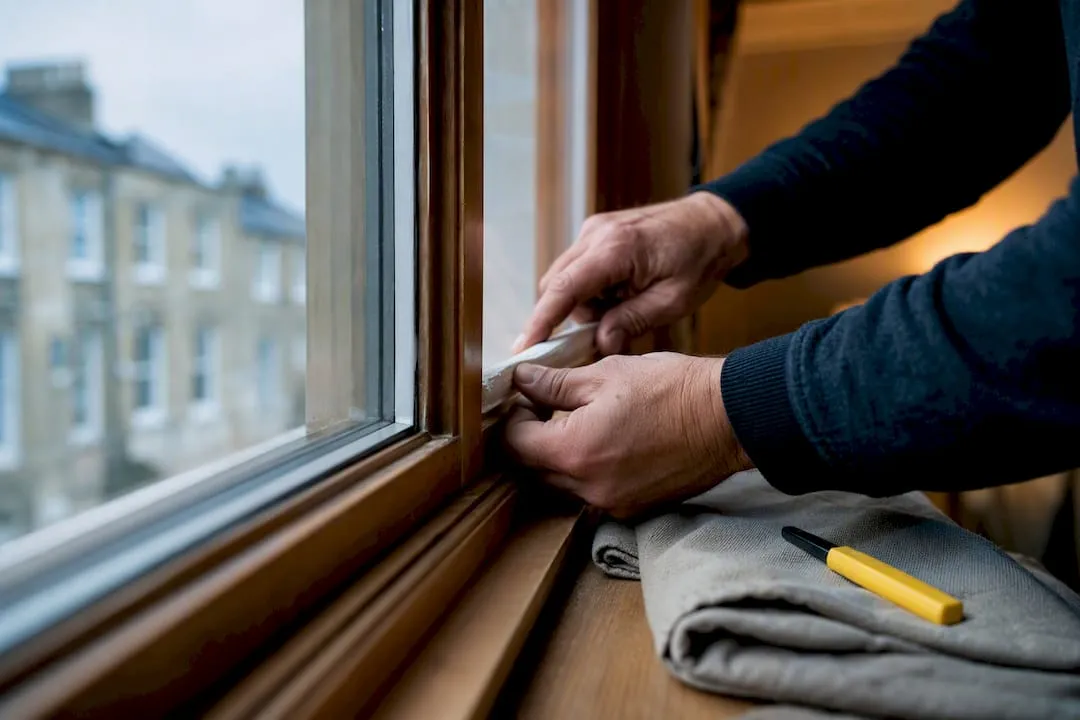
Do the quick, low-cost measures now, then prioritise fabric-first upgrades guided by a Domestic Energy Performance Certificate. Draught-proofing, LED bulbs, and radiator care cost little and pay back within months. Insulation and airtightness deliver the biggest long-term reduction in heat loss. An EPC ranks these measures by cost-effectiveness for your specific property, giving you lower bills, better comfort, and reduced emissions in that order of priority.
TL;DR:
- Draught-proofing, LED lighting, and radiator care can save up to £45 annually each, with quick payback within months for budget-friendly measures.
- Loft insulation, cavity wall, and floor insulation offer the highest long-term heat loss reductions, with payback periods typically between 2 and 3 years.
- Insulating or upgrading glazing is priority over renewables like heat pumps or solar panels, which perform best once the building envelope is properly sealed and insulated.
- An EPC provides a tailored, ranked list of improvements based on your property’s specific needs, guiding cost-effective prioritization for maximum savings.
- Small behavioral changes, such as turning off standby devices and optimizing heating controls, can collectively slash energy bills without capital costs immediate to household upgrades.
Table of Contents
- What are the best home energy conservation quick wins?
- Why does fabric-first insulation come before anything else?
- What thermostat setting saves the most on heating?
- When are heat pumps or solar panels worth it?
- Where can you get grants and financial support?
- Complete EPC’s take on getting the sequence right
- How do daily habits affect your energy bills?
- How should you prioritise your energy upgrades?
- What actually moves the needle on energy bills
- Book a Domestic EPC and get a ranked improvement plan
- Sources
- FAQ
What are the best home energy conservation quick wins?
Home energy conservation starts with measures you can finish this weekend, most for under £50 each. These aren’t token gestures. Together they chip away at the same heat loss that fabric upgrades tackle later, just faster and cheaper.
- Switch to LED bulbs throughout the house; this alone saves around £45 a year.
- Draught-proof windows, doors, and letterboxes with foam strips or brush seals; expect roughly £25 a year in savings (see this step-by-step guide on sealing windows for winter).
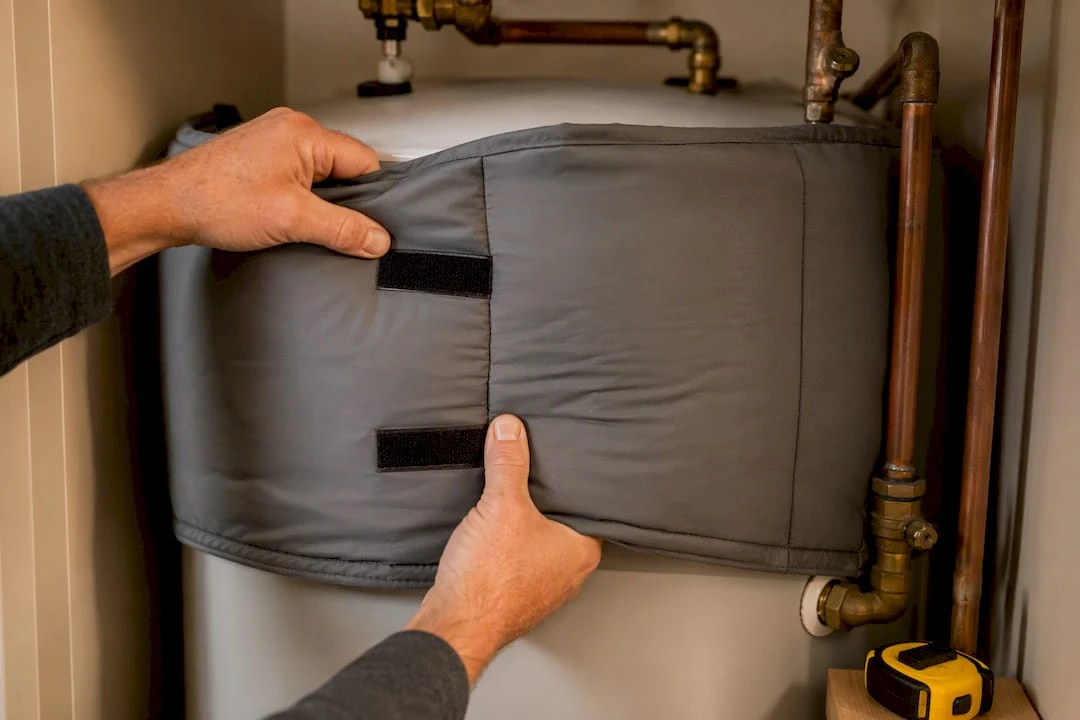
- Fit a hot water cylinder jacket (80mm) if you have a tank. It costs about £30 and saves roughly £45 a year.
- Add tap aerators to kitchen and bathroom taps to cut hot water use without changing your habits.
- Bleed your radiators every fixed heating season to clear trapped air, which forces boilers to work harder for less heat.
- Fit radiator reflector panels behind radiators on external walls to stop heat soaking into brickwork.
- Turn appliances off at the wall rather than leaving them on standby, particularly TVs, consoles, and chargers.
Pro Tip: Draught-proof living spaces and bedrooms, but leave trickle vents and extractor fans in bathrooms and kitchens working. Sealing a house too tightly without ventilation traps moisture and encourages damp and mould.
Small behavioural changes, from sensible kettle use to switching off standby devices, add up to genuine savings with zero capital outlay. None of these quick wins fix a poorly insulated loft or a draughty solid wall, but they buy you breathing room while you plan the bigger work.
Why does fabric-first insulation come before anything else?
Fabric first means dealing with the building’s shell, its walls, roof, floor, and windows, before touching heating systems or renewables. The logic is simple: heat a leaky bucket and you waste money regardless of how efficient the tap is.
Many UK homes lose between 25% and 35% of their heat through walls, roofs and windows, which is why insulation sits at the top of every credible improvement list. The professional standard for sequencing this work is PAS 2035, the whole-house retrofit framework that coordinates measures so nothing gets fitted out of order or causes damp problems down the line.
Priority measures, roughly in order of return:
- Loft insulation topped up to 270mm. Uninsulated roofs account for around a quarter of heat loss, and topping up typically pays back within 2 to 3 years.
- Cavity or solid wall insulation. Cavity walls are cheaper and quicker to fill; solid walls need internal or external cladding, at higher cost and longer payback.
- Floor insulation, particularly in homes with suspended timber floors, where cold draughts rise directly into living rooms.
- Glazing upgrades, from secondary glazing through to full double or triple glazing, depending on budget and building age.
Airtightness matters just as much as insulation thickness, but sealing a home without adequate ventilation causes condensation and mould. If you’re planning several measures together, or your home has solid walls, get a qualified retrofit assessor involved before work starts.
What thermostat setting saves the most on heating?
Set your thermostat between 18°C and 21°C. The Energy Saving Trust recommends this band as the sensible balance between comfort and cost, and every degree above it adds noticeably to your annual heating bill. Turning the dial down by even one degree is one of the cheapest changes you’ll make all year.
Controls matter as much as the setting itself. Run a programmer, room thermostat, and thermostatic radiator valves (TRVs) together, rather than relying on any single control, and you get room-by-room precision instead of heating the whole house to the temperature one room needs.
- Use a programmer to match heating hours to your actual routine, not a default factory schedule.
- Fit TRVs on radiators in rooms you use less, such as spare bedrooms.
- Lower your boiler’s flow temperature if it’s a condensing boiler; this lets it run in its most efficient condensing mode more of the time.
- Bleed radiators and get your boiler serviced annually to keep the system running as designed.
Used together, programmer, thermostat, and TRVs can save up to around £100 a year in a typical Great Britain home, on top of whatever you save from the fabric work already done.
When are heat pumps or solar panels worth it?
Heat pumps and solar PV are genuine long-term investments, but they perform best on a home that’s already been insulated properly. Fitting a heat pump into a draughty, poorly insulated house means it works harder for longer to hold a lower flow temperature than gas boilers use, which erodes both comfort and running costs. Fabric-first work first improves both the effectiveness and the running costs of a heat pump once it’s installed.
- Heat pumps suit homes with decent insulation and either underfloor heating or oversized radiators, since they deliver heat at lower temperatures than a traditional boiler.
- Solar PV systems around 4kWp typically generate 3,400 to 4,200 kWh a year, with payback periods often landing between 7 and 11 years.
- VAT relief applies to domestic solar installations, which improves the economics compared with a decade ago.
- Sequence matters: insulate and draught-proof first, then size your heat pump or solar system against the lower demand that results.
Jumping straight to a heat pump or solar array without addressing the fabric first is the single most common mistake homeowners make when chasing bigger savings.
Where can you get grants and financial support?
Several UK schemes help cover the cost of upgrades, though eligibility depends on income, region, and property type. The Energy Company Obligation (ECO) targets lower income and vulnerable households, the Boiler Upgrade Scheme offers grants toward heat pump installation, and the Warm Homes: Local Grant supports insulation and heating upgrades in specific areas. Gov, which change from year to year.
- Insulation measures typically cost £300 to £3,000 depending on type, with paybacks from 2 to 8 years.
- Heating controls cost £100 to £500 and often pay back within a year or two.
- Renewables run into thousands of pounds but come with the longest paybacks and the biggest bill reductions over time.
An EPC does double duty here: it’s often the document schemes ask for to confirm eligibility, and it gives you a ranked, cost-effective list of what to do next for your own property, via the Domestic Energy Performance Certificate.
Complete EPC’s take on getting the sequence right
A Domestic Energy Performance Certificate does more than satisfy a legal requirement at the point of sale or let. It lists recommendations ranked by cost-effectiveness for that specific building, which is precisely the sequencing problem most homeowners struggle to solve on their own.
Generic advice tells everyone to insulate their loft. A property-specific EPC tells you whether your loft, your walls, or your glazing is actually costing you the most heat, and which fix pays back fastest for your home.
Completeepc provides energy performance certificates for domestic and commercial properties across London, using qualified assessors to produce detailed reports with practical improvement recommendations. That combination of legal compliance and genuine prioritisation is what turns a generic checklist into a plan worth following.
How do daily habits affect your energy bills?
Behaviour changes cost nothing to implement and stack on top of every physical upgrade you make. The habit that wastes the most energy in most homes isn’t a single big appliance, it’s leaving multiple smaller things running when nobody’s using them: standby electronics, an always-on tumble dryer, lights left on in empty rooms.
Cooking habits matter more than most homeowners realise. Boiling only the water you need in the kettle, using lids on pans to cut cooking time, and batch-cooking in the oven rather than running it for single dishes all reduce electricity and gas use without any equipment changes. Washing machines and dishwashers run most efficiently on full loads at lower temperatures, typically 30°C rather than 40°C or 60°C, since most modern detergents work fine at that range.

Turning off appliances at the wall rather than leaving them on standby prevents the slow background drain that adds up over a year, particularly with older televisions, games consoles, and set-top boxes. Tumble dryers are among the most energy-hungry appliances in an average home, so air-drying clothes when weather and space allow makes a real dent in electricity use.
None of these habits require capital spending, and unlike insulation or heating upgrades, the savings start the same day you change the behaviour. Collectively, these habitual changes deliver real reductions in usage, even before any physical work happens on the house.
How should you prioritise your energy upgrades?
Rank measures by a simple formula: low cost and high impact first, then work down to higher cost and longer payback. Draught-proofing, LED bulbs, and heating controls sit at the top because they’re cheap, quick to install, and start saving money immediately.
Loft insulation and cavity wall insulation come next. They cost more than a weekend DIY job but still pay back within a few years, and they reduce the size and cost of any heating system you install afterwards. Floor insulation and glazing upgrades follow, since they tend to cost more per degree of comfort improvement and suit homes where the cheaper measures are already done.
Heat pumps, solar PV, and solid wall insulation belong at the end of the list for most homeowners, not because they’re not worthwhile, but because their performance and payback both improve once the fabric work above them is finished. Installing a heat pump before insulating is the classic ordering mistake that inflates running costs for years afterwards.
An EPC formalises this ranking for your specific property rather than a generic house type, weighing your actual construction, current insulation levels, and heating system against the cost and impact of each possible improvement.
What actually moves the needle on energy bills
Most advice on this topic treats every measure as equally worth doing, when in practice a handful of cheap fixes deliver most of the early savings, and the fabric work most homeowners avoid delivers most of the lasting ones. The conventional wisdom oversells renewables and undersells draught-proofing. A £30 hot water cylinder jacket often earns its cost back faster than a heat pump ever will on its own.
Where the advice usually falls short is sequencing. Homeowners get pitched a heat pump or solar array before anyone checks whether the loft insulation is adequate, and the result is a system working harder than it should for years. Fabric first isn’t a slogan, it’s the order that makes every later investment perform as designed.
If you take one thing from this, prioritise the loft, the draughts, and the hot water tank this month. Get an EPC before committing to anything expensive. It costs far less than a single insulation job and tells you exactly where your money will work hardest.
— Danny
Book a Domestic EPC and get a ranked improvement plan
Completeepc is the practical starting point once you’re ready to move past DIY quick wins. A Domestic Energy Performance Certificate gives you a property-specific, ranked list of improvements, so instead of guessing whether your loft or your windows matter more, you get an answer backed by a qualified assessment.
The service uses qualified assessors with a straightforward booking process built for property owners, landlords, and solicitors who need results without delay. Whether you’re preparing for a sale, a let, or simply want a clear upgrade roadmap, book your assessment through the Domestic Energy Performance Certificate page and get your ranked recommendations report.
Sources
- Home energy efficiency – heat loss and insulation (Wealden council)
- Draught-proofing and quick energy-saving measures (Energy Saving Trust)
- Understanding the fabric-first approach (RISE retrofit toolkit)
- Gov
- Energy Efficiency guide (Eco Home Check)
FAQ
What are 10 ways to conserve energy at home?
Switch to LEDs, draught-proof doors and windows, fit a hot water cylinder jacket, add tap aerators, bleed radiators, fit reflector panels, turn appliances off at the wall, top up loft insulation, use TRVs with a programmer, and wash clothes at 30°C on full loads.
What is the 30 minute heating rule?
It refers to running your heating in short, controlled bursts rather than leaving it on low all day, letting the thermostat and TRVs cycle the system efficiently rather than constantly reheating an already warm house.
What wastes the most electricity in a house?
Standby electronics and tumble dryers are typically the biggest hidden drains, since they run silently in the background or consume large amounts of power per cycle without homeowners tracking the cost.
Does turning off lights really save electricity?
Yes, switching to LEDs and turning off unused lights saves around £45 a year in a typical home, and the saving compounds across every room where lights are left on unnecessarily.
How do I know which upgrades to prioritise for my home?
A Domestic Energy Performance Certificate gives you a ranked, property-specific list of cost-effective improvements, which is more reliable than generic checklists since it reflects your actual construction and current insulation levels.