
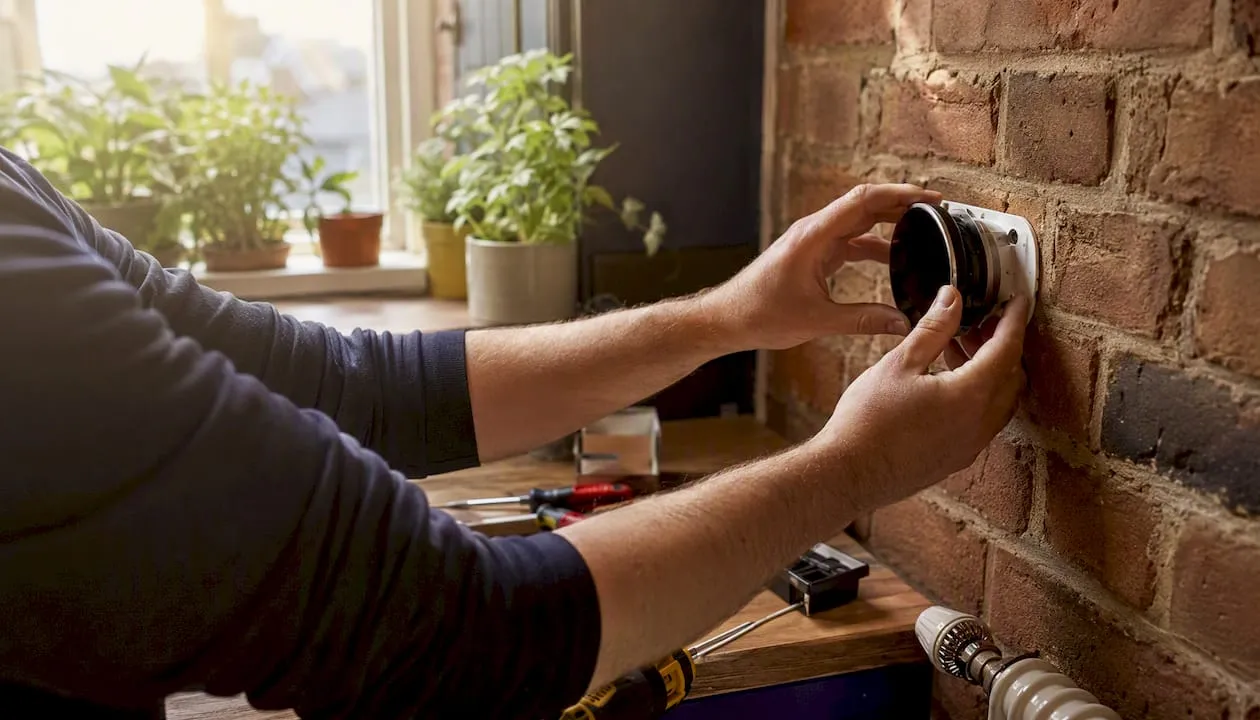
The highest-impact energy saving tech falls into three priority categories: fabric measures and insulation, efficient heating (particularly heat pumps), and smart management and controls. Renewables and storage add significantly on top. The right sequence is to get a Domestic Energy Performance Certificate or Commercial EPC first, fix fabric issues before upgrading heating, then layer in smart controls and consider solar with battery storage where your roof and budget allow.
Quick actions you can take this week:
- Book an EPC assessment to get a ranked list of cost-effective improvements specific to your property.
- Draught-proof doors, windows and loft hatches — low cost, immediate impact.
- Switch any remaining incandescent or halogen fittings to LED.
- Check your boiler or heat pump controls and set a schedule that matches your actual occupancy pattern.
The IEA’s guidance on saving energy confirms that heating, insulation and lighting are the three sectors where practical measures deliver the most reliable reductions across homes, businesses and industry.
Key takeaways
The most reliable path to lower energy bills is to sequence measures correctly: EPC first, fabric improvements second, efficient heating third, then smart controls and renewables.
| Point | Details |
|---|---|
| EPC as the starting point | A Domestic or Commercial EPC ranks improvements by cost-effectiveness and prevents costly sequencing mistakes. |
| Fabric before heating | Insulating before upgrading heating reduces heat demand, allowing correct sizing and better payback. |
| Smart management multiplies savings | HEMS with ToU optimisation and PV integration produced significant space-heating savings in the THOM trial. |
| Check grants before committing | BUS, Warm Homes Plan and Ofgem-listed schemes can substantially reduce upfront costs for both households and SMEs. |
| Completeepc as your first step | Completeepc provides fast, competitively priced EPC assessments that give you the ranked improvement plan to act on. |
Table of Contents
- What energy saving tech actually works, and for whom?
- How do IoT, HEMS and smart meters multiply your savings?
- What are realistic costs, savings and payback times?
- How should you sequence energy-saving measures?
- What grants and incentives are available for homes and businesses?
- Real-world results: what savings do people actually see?
- An assessor’s perspective on where to start
- How Completeepc can help you get started
- Sources
- FAQ
What energy saving tech actually works, and for whom?
Energy efficiency solutions span a wide range of technologies, and the right choice depends on building type, existing fabric, and how much you are willing to invest upfront. The technologies below cover the main categories, from the simplest plug-in devices to whole-building upgrades.
Suited to every setting — homes, offices, retail, industrial — with minimal installation complexity and payback periods often under two years.
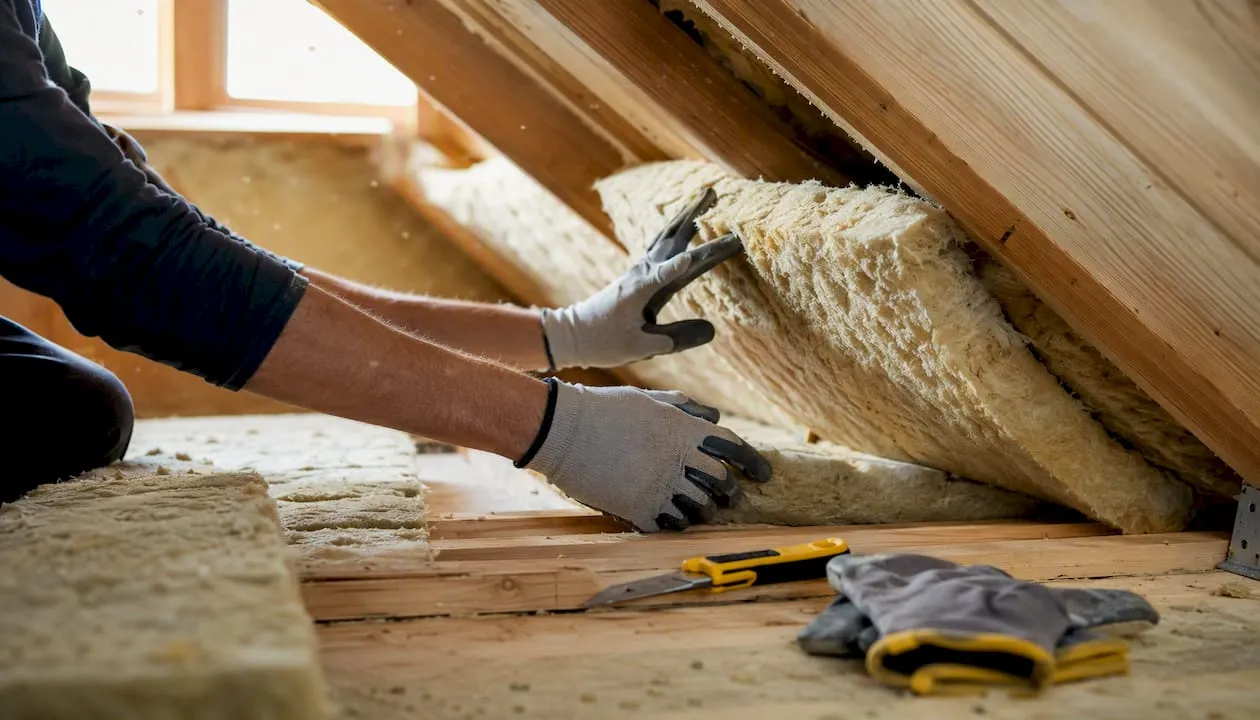
Insulation and fabric measures include loft insulation, cavity wall fill, solid wall insulation and draught-proofing. These reduce heat loss at source, which means any heating system you install afterwards works less hard. Fabric improvements are the foundation; skipping them before upgrading heating is one of the most common and costly mistakes.
High-efficiency boilers and heat pumps replace older gas boilers or direct electric heating. Air-source heat pumps (ASHP) extract heat from outside air and deliver it via radiators or underfloor heating (hydronic systems), while air-to-air units deliver warm or cool air directly — useful for commercial spaces but unsuitable for domestic hot water. The US Department of Energy’s catalogue of energy-efficiency technologies covers high-efficiency HVAC and motors across sectors, confirming that heat pumps and variable-speed drives are among the highest-leverage measures for both homes and commercial buildings.
Rooftop solar PV generates electricity from daylight. Over 1.6 million domestic solar installations already exist in the UK, and the technology suits most pitched roofs, though shading and roof angle affect output. Pairing PV with a battery shifts self-generated electricity to evening peak demand, increasing self-consumption and reducing grid imports. For challenging roofs, specialist guidance on installing solar on shaded or odd-angled roofs can help you assess feasibility before committing.
Home and commercial batteries store surplus solar or cheap off-peak grid electricity for use at peak times. Standalone battery storage (without PV) can still cut bills on time-of-use (ToU) tariffs by charging overnight at low rates.
Efficient appliances — A-rated white goods, variable-speed drives on industrial motors, and high-efficiency commercial refrigeration — reduce consumption without changing behaviour. ENERGY STAR certification provides a reliable benchmark for appliance efficiency across categories.
Smart plugs, occupancy sensors and thermostats are the entry-level tier of smart home energy savings. Smart plugs with scheduling eliminate standby loads on office equipment, printers and displays.
Both a Domestic EPC and a Commercial EPC serve as the diagnostic starting point: the report ranks improvements by cost-effectiveness and flags which measures are most relevant to your specific property. The Energy Saving Trust advises treating EPC recommendations as a sequenced plan, not a pick-and-mix list.
How do IoT, HEMS and smart meters multiply your savings?
Smart management is where energy conservation tips move from theory to sustained, measurable reduction. The core claim: smart controls typically multiply the savings you get from hardware alone, and they open access to demand-flexibility revenue streams that hardware by itself cannot reach.
The mechanisms are straightforward. A Home Energy Management System (HEMS) monitors real-time consumption from every circuit, schedules high-draw appliances (dishwashers, washing machines, EV chargers) to run during cheap off-peak windows, and optimises PV self-consumption by directing surplus generation to batteries or hot-water cylinders before exporting. For heat pumps specifically, dynamic weather compensation adjusts flow temperature continuously based on outdoor conditions, which is far more efficient than a fixed schedule. ACEEE documents that sensors, controls and systems modelling are a key class of emerging technologies enabling system-wide savings — from individual buildings up to district-level flexibility programmes.
Smart meters provide the data foundation. Without granular consumption data, optimisation is guesswork. With it, a HEMS can identify which circuits are drawing power unnecessarily and flag anomalies that indicate equipment faults.
The evidence from the THOM project is instructive. The Total Home Optimisation Management trial reported that Homely HEMS optimisation reduced heat-pump running costs by 22% in an energy-house test. These figures come from a controlled experimental environment, so real-world results will vary depending on occupancy patterns, tariff availability and system integration — but the directional signal is clear.
Key smart-management mechanisms:
- ToU tariff optimisation: shift charging and high-draw appliances to off-peak periods (typically overnight).
- PV self-consumption maximisation: direct surplus solar to batteries or immersion heaters before exporting.
- Dynamic weather compensation: let the heat pump adjust flow temperature automatically rather than running at a fixed setting.
- Demand-flexibility participation: automated response to grid events can generate payments while reducing peak consumption.
- Occupancy-based controls: occupancy sensors cut lighting and HVAC in unoccupied zones without relying on manual switching.
Pro Tip: Before investing in a HEMS, confirm your heat pump supports dynamic weather compensation and that your installer has enabled it. Many heat pumps ship with this feature disabled by default, leaving significant efficiency on the table from day one.
What are realistic costs, savings and payback times?
Savings ranges vary considerably depending on the baseline, the technology, and how well measures are integrated. The figures below reflect field studies and trial data rather than manufacturer claims.
Smart thermostats typically cut heating and cooling energy by a moderate percentage with payback under two years — one of the fastest returns in the category. Smart plugs and scheduling strips can cut monitored office plug loads by 38–66%, with median paybacks under a year in instrumented commercial sites.
Rooftop solar PV typically reduces electricity bills by a substantial margin depending on roof orientation, shading and self-consumption rate. Tools that model solar self-consumption and savings predictions can give you a site-specific estimate before you commit to installation costs.
Factors that move payback significantly:
- Pre-existing insulation quality — a well-insulated building makes every heating upgrade more cost-effective.
- Local electricity price and whether a ToU tariff is available.
- Capital cost net of grants (BUS, Warm Homes Plan funding, local council schemes).
- Maintenance costs and equipment lifespan assumptions.
- Occupancy patterns and whether the building is occupied consistently or intermittently.
Steps to estimate payback for your property:
- Collect 12 months of energy bills to establish a baseline consumption figure.
- Get an EPC and review the ranked recommendations — these give cost-effectiveness estimates per measure.
- Obtain two or three installer quotes that include projected savings and payback calculations.
- Check grant eligibility before finalising costs (see the financing section below).
- Model the combined effect of measures rather than evaluating each in isolation.
A common error is evaluating a heat pump’s payback without accounting for the insulation improvements that should precede it. Insulate first, then size and cost the heat pump against the reduced heat demand.
How should you sequence energy-saving measures?
The right sequence is: diagnose (EPC) → fabric first → efficient heating → smart controls → renewables and storage. Deviating from this order typically increases costs and can create problems — a heat pump sized for a poorly insulated building will be oversized and inefficient once insulation is added later.
Step-by-step checklist:
- Get an EPC. A Domestic EPC or Commercial EPC gives you a ranked list of improvements specific to your building. Treat it as the diagnostic, not the finished plan.
- Address fabric first. Loft insulation, cavity wall fill, draught-proofing and window upgrades reduce heat demand before you invest in heating equipment.
- Upgrade heating. Once fabric is improved, size a heat pump or high-efficiency boiler against the reduced heat load. Correct sizing is critical — oversized units cycle inefficiently.
- Add smart controls. A smart thermostat, HEMS or occupancy sensors layer on top of the upgraded hardware to maximise its efficiency.
- Consider renewables and storage. Rooftop solar PV and battery storage make most sense once consumption is already reduced and a ToU tariff is in place.
The Energy Saving Trust cautions that EPC recommendations must be sequenced correctly to avoid unintended consequences such as damp or ventilation problems — professional advice before major changes is recommended.
Red flags to watch for:
- Installing a heat pump without first improving insulation and checking radiator sizing.
- Ignoring moisture risks when adding internal wall insulation to older solid-wall properties.
- Choosing a HEMS that is incompatible with your heat pump’s communication protocol.
- Accepting an installer quote with no projected savings figure or MCS accreditation.
Questions to ask installers:
- Are you MCS-accredited for this technology?
- What projected annual savings are you basing your quote on, and what assumptions underpin them?
- Have you assessed the existing fabric and distribution system before sizing the equipment?
- Can you provide references from comparable installations?
What grants and incentives are available for homes and businesses?
Funding availability changes regularly, so always verify current eligibility directly with the relevant body. The programmes below represent the main routes as of current government guidance.
For households (UK):
- Warm Homes Plan: the UK government’s primary vehicle for upgrading homes with solar, heat pumps, batteries and insulation. The Warm Homes Plan commits to upgrading 5 million homes by 2030, with a mix of grants and low-interest finance options.
- Boiler Upgrade Scheme (BUS): provides grants toward the cost of replacing a gas or oil boiler with a heat pump or biomass boiler. Check GOV.UK for current grant amounts and eligibility.
- Clean Heat Grant: a related mechanism supporting clean heating installations; check GOV.UK for current status and whether it applies to your property type.
- Smart Export Guarantee (SEG): requires licensed energy suppliers to pay households for surplus solar electricity exported to the grid.
For businesses and SMEs:
- Ofgem’s business energy efficiency grants and schemes guidance consolidates national and local funding routes, including supplier schemes and local authority grants.
- Local council grants often target specific technologies or income bands — worth checking your local authority’s website directly.
- Supplier energy-efficiency schemes vary by provider; ask your current supplier what programmes they operate.
Practical next steps to find support:
- Check GOV.UK’s energy efficiency grants pages and the Warm Homes Plan portal.
- Contact your local council’s energy or sustainability team.
- Ask your energy supplier about current efficiency schemes.
- Request grant-ready quotes from MCS-accredited installers who can confirm eligibility before you commit.
Pro Tip: Many grant programmes can be combined with green finance products or low-interest loans from banks and credit unions. A grant covering part of the upfront cost, paired with a low-rate loan for the remainder, can make the full measure cash-flow positive within the payback period.
Real-world results: what savings do people actually see?
The THOM project, run by GenGame with Homely HEMS technology, is one of the most detailed published trials of integrated home energy management. In a controlled energy-house environment, HEMS optimisation alone reduced heat-pump running costs by 22%. The trial used a controlled environment, so results in occupied homes will depend on actual occupancy patterns, tariff access and how fully the system is integrated.
On the solar side, the UK’s domestic solar sector has grown to over 1.6 million installations, with the Warm Homes Plan targeting further expansion as part of a broader household upgrade programme.
For small businesses, the fastest-returning combination is climate control, lighting control and targeted power management. Field data from instrumented commercial sites shows smart plugs and scheduling can cut office plug loads by 38–66%, with median paybacks under a year. A typical small office deploying a smart thermostat, occupancy-triggered lighting and smart plugs on workstations and displays can expect noticeable combined electricity savings, with full payback on device costs within 12–18 months.
Key caveats across all case studies:
- Savings are additive only when measures are correctly sequenced and integrated.
- Occupancy patterns, local tariff structure and baseline consumption all shift outcomes significantly.
- Vendor and utility studies tend to report best-case results; independent trials with controlled conditions give more reliable directional guidance.
An assessor’s perspective on where to start
The single most consistent finding across client engagements is that the EPC diagnostic changes the conversation. Without it, property owners tend to focus on the most visible technology — a new boiler, solar panels — rather than the measures that will deliver the best return for their specific building.
On site, the first checks are always fabric: loft insulation depth, wall construction type, window specification and evidence of draught-proofing. These determine how much heat demand can be reduced before any heating upgrade is sized. A property with poor fabric and a new heat pump is a property with an oversized, inefficient heat pump. The order of work matters more than the technology choice.
Common surprises include solid-wall properties where internal insulation is feasible but moisture management needs careful detailing, and commercial units where lighting controls alone can cut electricity consumption by a quarter before any capital equipment is touched. The EPC recommendations provide the starting framework, but a qualified assessor will reorder them based on what is actually practical and cost-effective for that specific building.
How Completeepc can help you get started
Completeepc provides professional EPC assessments for both homes and commercial properties, carried out by qualified assessors with hands-on experience across a wide range of building types. If you are ready to act on the sequencing advice in this article — diagnose first, then invest — a domestic EPC or commercial EPC from Completeepc gives you the ranked, property-specific improvement list you need before spending anything on hardware. Completeepc guarantees the lowest EPC rates in the UK market, so the diagnostic step costs less than you might expect. Get a quote today at Completeepc and start with the evidence, not the guesswork.
Sources
Authoritative references for further reading and verification:
- Gov
- Project Case Study: Total Home Optimisation Management (THOM)
- Saving Energy – Topics – IEA
- Find business energy efficiency grants and schemes – Ofgem
FAQ
What device can reduce an electricity bill most quickly?
Smart plugs and occupancy lighting controls typically offer the fastest payback — often under a year in commercial settings — because they eliminate standby and unoccupied-zone consumption with minimal upfront cost.
What wastes the most electricity in a typical home?
Heating and hot water account for the largest share of household energy use, followed by appliances left on standby and inefficient lighting. Addressing heating controls and insulation delivers the biggest reductions; switching remaining halogen or incandescent bulbs to LED is the quickest win.
What are energy-saving gadgets worth buying?
The most cost-effective sustainable energy devices are smart thermostats, occupancy-triggered lighting controls and smart plugs with scheduling. For homes with solar PV, a HEMS that optimises self-consumption and ToU tariff use adds a further layer of savings on top of the hardware.
How do you reduce energy consumption in the right order?
Get an EPC first to identify the highest-priority measures for your specific property. Fix fabric issues (insulation, draught-proofing) before upgrading heating, then add smart controls, and consider solar PV and battery storage once consumption is already reduced. The Energy Saving Trust recommends this sequence to avoid unintended problems such as damp or oversized equipment.
Does a heat pump save money compared to a gas boiler?
Running costs depend on electricity and gas prices, insulation quality and heat pump efficiency. A qualified assessor can model the likely outcome for your specific property before you commit.