

The fastest way to improve your energy rating is to start with the quick wins your Domestic Energy Performance Certificate already recommends, things like LED bulbs, topped-up loft insulation and better heating controls, before moving to fabric and heating upgrades. Check your EPC for tailored recommendations first, and if you’re a landlord, keep an eye on MEES deadlines and exemption rules while you plan.
TL;DR:
- Focusing on low-cost measures like LED lighting, draught-proofing, and programmable thermostats can quickly boost your EPC score with minimal disruption.
- Insulation upgrades, such as cavity wall, floor, and loft insulation, provide larger steps in improving energy efficiency, especially for homes with poor existing insulation.
- Major upgrades like installing triple glazing, replacing boilers, or adding solar PV should be prioritized after fabric measures to maximize benefits and avoid performance issues.
- Assessing your home’s specific recommendations with an EPC and planning measures sequentially helps avoid wasted spending and ensures optimal results.
- Funding options, exemptions, and detailed assessment services can support costs and compliance, especially for landlords aiming to meet upcoming EPC standards.
Table of Contents
- Quick wins: low-cost, low-disruption measures
- Major upgrades: insulation, glazing, heating and renewables
- How to decide what to do: use the EPC and a whole-house prioritisation framework
- Costs, payback and funding: realistic budgets and where to find help
- Landlords and compliance: MEES, exemptions and the route to EPC C
- Next steps: commissioning assessments, obtaining quotes and scheduling reassessment
- Common retrofit mistakes worth avoiding
- Complete EPC services: book a domestic EPC and get tailored recommendations
- FAQ
- Sources
Quick wins: low-cost, low-disruption measures
Start with the measures that cost little, disrupt nothing and still move the needle on your EPC score. These are the same low-cost, low-disruption improvements the Energy Saving Trust lists as typically the most cost-effective place to begin, and most can be done in a weekend.
Swapping old bulbs for LEDs is the simplest change on the list. LEDs use a fraction of the electricity of incandescent or halogen bulbs and last far longer, and an assessor will note full LED coverage on your EPC.
Draught-proofing comes next. Gaps around doors, letterboxes, loft hatches and floorboards let warm air escape constantly, so sealing them with foam strips, brush seals or a simple keyhole cover makes a noticeable difference to comfort and, over time, to your rating.
A few other jobs belong in this same low-cost tier:
- Fit a hot water cylinder jacket if your tank is uninsulated, and lag any exposed pipework in the loft or under floors.
- Install thermostatic radiator valves (TRVs) so each room can be heated to the temperature it actually needs.
- Fit a programmable thermostat or smart heating control if you don’t already have one, so the system isn’t running when nobody’s home.
- Top up loft insulation to the recommended depth; many lofts have insulation that has settled or was never installed to current standards.
Loft top-ups are worth a special mention. If your loft has some insulation but it’s thin or patchy, adding more is usually a DIY-friendly job, but if the loft has damp, poor ventilation or awkward access, it’s worth bringing in a professional installer rather than risking trapped moisture under the new layer.
Pro Tip: Tackle draught-proofing and heating controls before you book a reassessment: they’re cheap, quick, and they often shift an EPC score by a few points on their own.
Major upgrades: insulation, glazing, heating and renewables
Once the quick wins are done, the bigger gains come from fabric and heating upgrades, and these are also the measures that cost the most and disrupt daily life the longest. Knowing which ones suit your property avoids wasted money.
Cavity wall insulation is usually the best value upgrade if your home was built with a cavity, typically from the 1920s onwards. It’s injected through small drilled holes and finished within a day in most cases. Solid wall properties, common in older housing stock, need internal or external wall insulation instead, which costs more and takes longer, but can still deliver one of the larger single jumps in EPC band for a poorly insulated solid-wall home.
Floor insulation is often overlooked. Suspended timber floors lose heat through the void beneath them, and insulating between the joists, alongside a loft that’s properly filled to depth, closes two of the biggest gaps in a typical EPC recommendation list.
Windows are a trade-off worth thinking through carefully:
- Single glazing loses far more heat than double or triple glazing, but full replacement is expensive and the EPC gain from windows alone is usually modest compared with insulation.
- Secondary glazing or draught-sealing existing frames can capture some of the benefit at a fraction of the cost.
- Triple glazing adds further gains over double glazing but with a longer payback period, so it suits new builds and deep retrofits more than quick upgrades.
A new or well-maintained boiler reduces heating demand and improves the EPC’s heating efficiency score, while a heat pump can do the same with lower running emissions, provided the property’s insulation can support lower flow temperatures. Energy Saving Trust guidance treats boiler and heating upgrades as part of the same cost-effective tier as insulation and controls. A heat pump fitted into a draughty, under-insulated home rarely performs as well as the same unit in a well-insulated one, so fabric measures and low-carbon heating work best together rather than as substitutes.
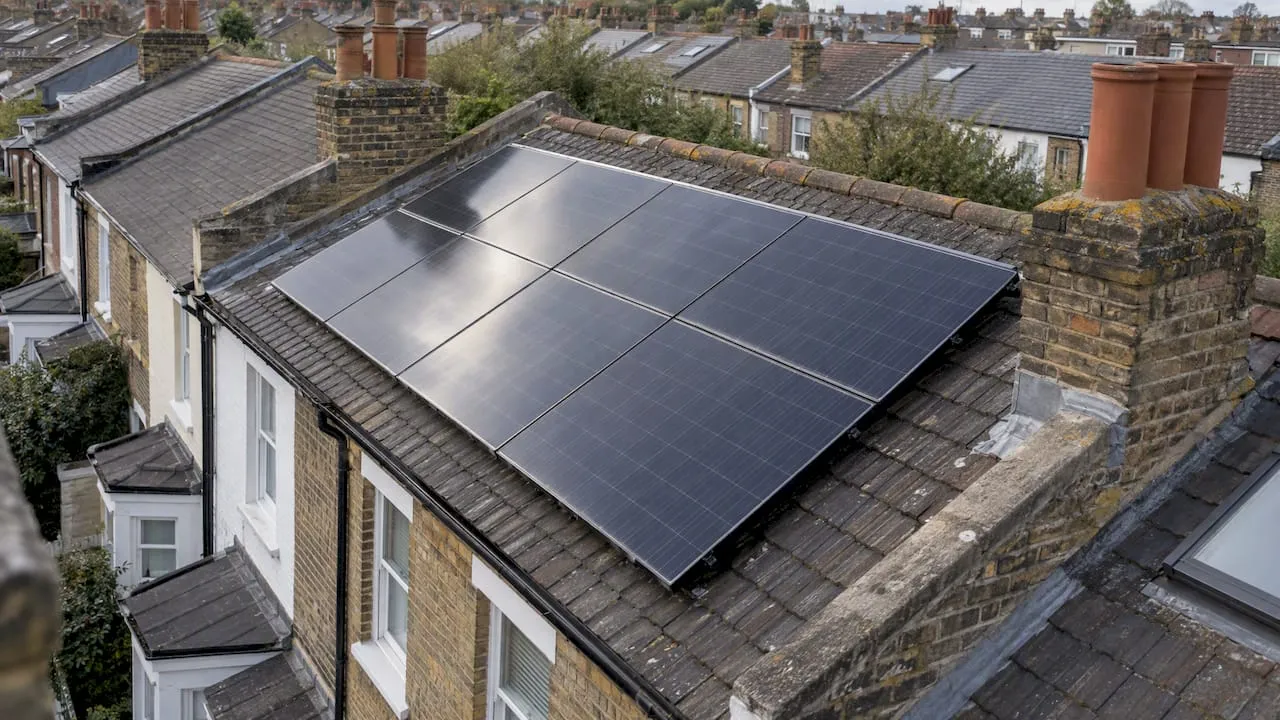
Solar PV suits roofs with reasonable south, east or west-facing pitch and little overshadowing. It tends to lift the EPC’s environmental impact rating and can improve the overall score, and adding a battery increases self-use of generated electricity, though batteries themselves aren’t an EPC-scored measure.
How to decide what to do: use the EPC and a whole-house prioritisation framework
Your EPC is the starting point, not just a compliance document. It lists specific recommendations in roughly the order the assessor’s software judges most cost-effective, along with your current score and a potential score if the measures are carried out.
- Read the recommendations list first. It tells you what the assessment software flagged as missing or underperforming, from loft depth to heating controls to glazing.
- Think whole-house, not room-by-room. Fabric measures, insulation, draught-proofing and ventilation, usually come before heating system changes, because a heat pump or new boiler performs better once heat loss is reduced. Energy Saving Trust’s retrofit guidance makes this point directly: adding low-carbon heating to a poorly insulated home can lead to damp or ventilation problems if fabric losses aren’t addressed first.
- Sequence by the matrix: quick wins, then fabric, then heating and renewables. LEDs and TRVs first, loft and wall insulation second, boiler, heat pump or solar third.
- Decide whether you need more than the EPC. A standard EPC is generated from a national model (RdSAP) and gives good general guidance, but a full retrofit assessment or SAP calculation gives property-specific detail when you’re planning several measures together or applying for funding.
- Ask your assessor for a prioritised list with estimated band gains per measure, so you can see which jobs are likely to move you from, say, D to C, rather than guessing.
Pro Tip: If you’re planning more than one major measure, get the sequencing checked by an assessor before you book any installer, reversing the order can mean redoing work.
Costs, payback and funding: realistic budgets and where to find help
Costs vary enormously by property size, construction and region, so treat any figure as a starting point rather than a quote. Loft top-ups and draught-proofing sit at the cheap end and tend to pay back fastest; cavity wall insulation is usually next; boiler replacements, solid wall insulation and solar PV represent the larger investments with longer payback periods.
The Gov generates personalised improvement recommendations with estimated costs and bill savings once you enter details about your property’s age, wall construction and existing insulation. It’s a useful second opinion alongside your EPC’s own recommendation list.
A few funding routes are worth checking before you commit to a full-price quote:
- The Great British Insulation Scheme offers single insulation measures to eligible low-income households and homes in lower EPC bands, with eligibility tied to council tax band and existing rating.
- The Boiler Upgrade Scheme supports heat pump installations for eligible homeowners.
- Local authority grants exist in some areas and are worth a call to your council before you plan a budget.
- For landlords, the government’s proposed investment cap for compliance work is designed to limit what you’re required to spend, which matters when weighing exemptions against upgrades.
Landlords and compliance: MEES, exemptions and the route to EPC C
Privately rented homes in England and Wales must currently meet a minimum EPC rating of at least Band E under the Minimum Energy Efficiency Standard, unless a valid exemption is registered. Letting or continuing to let below Band E without an exemption is a breach of the regulations.
Exemptions exist for specific situations, and all require evidence:
- High cost: the cheapest recommended measure would exceed the funding cap set for improvements.
- Third-party consent: a tenant, freeholder or planning authority denies consent for the work.
- Devaluation: an independent surveyor reports that the improvement would reduce the property’s value by more than a threshold percentage.
- All improvements made: all recommended measures have been installed, even if the property remains below Band E.
Standard exemptions are valid for limited periods and require re-evaluation thereafter.
The government’s response on privately rented homes includes plans aiming for an EPC C minimum by 2030, including an investment cap on improvements per property and transitional arrangements to recognise earlier work. Because this involves reformed metrics, landlords affected by the changes will need to commission new EPCs rather than relying solely on older certificates.
A practical compliance checklist: check your current EPC rating and expiry, install the recommended improvements that fit your budget and the cap, then either commission a reassessment to confirm the new band or register an exemption with the required evidence.
Next steps: commissioning assessments, obtaining quotes and scheduling reassessment
Once you know roughly what you’re doing, the process is straightforward.
- Check your EPC’s expiry date and use GOV.UK’s savings tool to see personalised options based on your property details.
- Get two or three quotes from retrofitters or installers, and confirm their accreditation before booking anything structural like wall insulation or a heat pump.
- Check whether planning permission, mortgage lender consent or tenancy agreements affect measures such as solar panels or external wall insulation.
- Once the work is finished, commission a new EPC to record the improved rating, since the old certificate won’t reflect the changes.
Common retrofit mistakes worth avoiding
The most common error is skipping fabric measures and going straight for a new heating system. A heat pump or efficient boiler working against draughts and thin insulation rarely performs as well as it should, and can bring damp or ventilation problems with it. Small measures, LEDs, TRVs, draught-proofing, genuinely add up, and professional retrofit planning earns its cost once you’re combining more than two or three major works. Landlords should treat their EPC’s expiry date as a planning trigger, not an afterthought.
— Danny
Complete EPC services: book a domestic EPC and get tailored recommendations
A generic checklist only gets you so far. What actually changes your EPC band is a tailored, assessor-led recommendation list followed by a reassessment that proves the work paid off, and that’s the service Complete EPC provides for properties across London.
- Domestic Energy Performance Certificate: a full assessment with a prioritised recommendations list and your current and potential rating.
- Commercial EPC: for landlords and businesses needing compliance certification on non-domestic buildings.
- SAP Calculations: for new builds, conversions and extensions where a standard EPC isn’t sufficient.
Complete EPC’s assessors provide reassessment services to confirm improvements without extra agency rates. Book a Domestic EPC to get your current rating and a clear list of what to do next.
FAQ
How do I increase my EPC from D to C?
Start with your EPC’s own recommendations list, since it already ranks measures by cost-effectiveness for your specific property. Typically this means loft and wall insulation, heating controls and sometimes a boiler or heat pump upgrade, following the whole-house approach of fixing fabric losses before changing the heating system.
How much does it cost to increase EPC rating?
Costs depend entirely on which measures your property needs, from inexpensive draught-proofing to costlier solid wall insulation or a heat pump. The GOV.UK savings tool and funding schemes such as the Great British Insulation Scheme can reduce upfront costs for eligible households.
Is an EPC rating of D good?
Band D sits in the middle of the scale and meets the current legal minimum of Band E for privately rented homes in England and Wales, but it leaves room for improvement. With the government’s proposed trajectory towards EPC C by 2030 for private rentals, landlords with a D-rated property should expect to need further work.
Does a new boiler improve EPC rating?
A new, efficient boiler generally improves the heating efficiency element of an EPC score, particularly if it replaces an old or poorly performing one. The gain tends to be larger when the property’s insulation is already reasonable, since heat loss elsewhere limits how much a boiler upgrade alone can achieve.