

TL;DR:
- Improving home energy performance involves upgrades to insulation, heating systems, and renewable technologies.
- A whole-home approach, guided by an EPC, reduces energy waste and maximizes rebate opportunities.
Improving home energy performance means reducing the energy your property wastes through a deliberate sequence of upgrades to insulation, heating systems, and renewable technologies. The industry standard measure for this is the Energy Performance Certificate (EPC), which rates your home from A (most efficient) to G (least efficient) and sets out a prioritised list of recommended improvements. Comprehensive upgrades like air sealing and insulation can cut heating and cooling costs by 15–30% annually. For homeowners and landlords in 2026, government rebate programmes and tax credits make this the most financially favourable time in years to act.
What are the foundational upgrades for improving home energy performance?
Insulation and air sealing are the single most cost-effective starting point for any property. Heat escapes through walls, lofts, floors, and gaps around windows and doors. Addressing these losses first means every subsequent upgrade, whether a new boiler or solar panels, works more efficiently from day one.
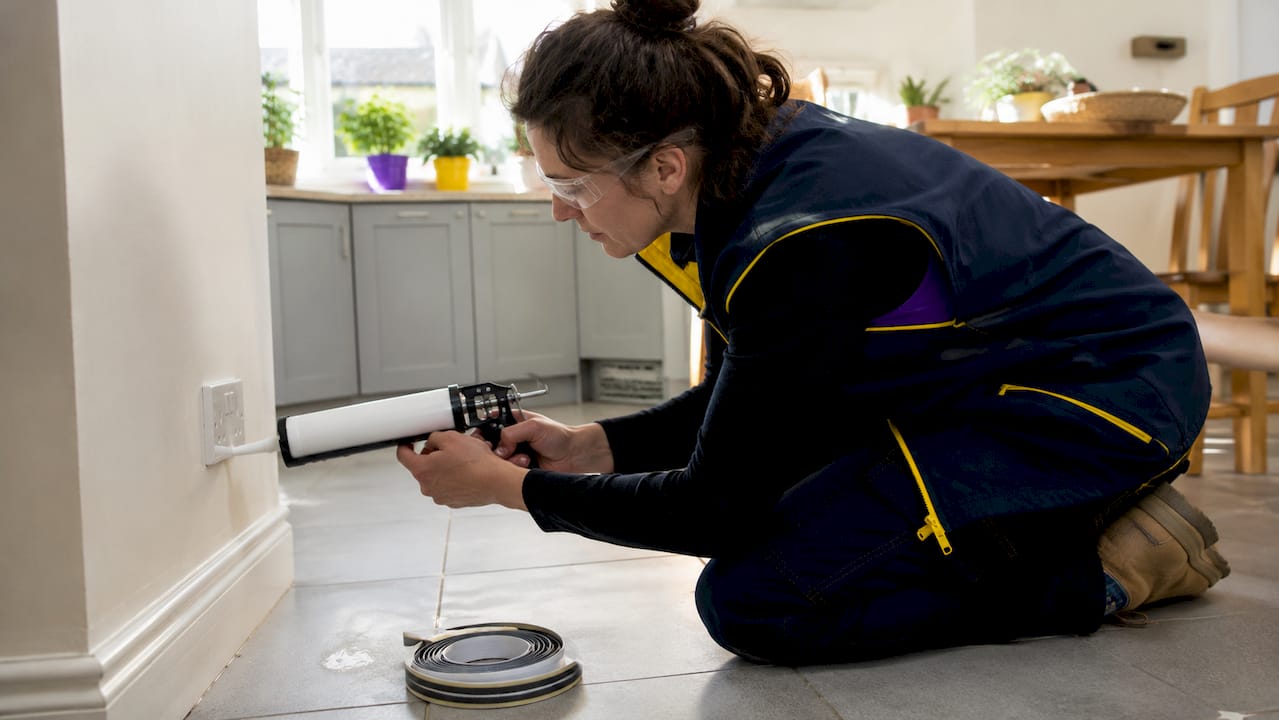
Where do most heat losses occur?
The most common air leak points are loft hatches, skirting boards, electrical sockets on external walls, and the frames around windows and doors. You can find most of these yourself. A DIY energy audit identifies roughly 70–80% of the issues a professional audit would find, and you can complete one in an afternoon at little or no cost. Run your hand along skirting boards on a cold day, or hold a lit incense stick near window frames and watch for smoke movement.
Insulation types and R-values compared
Different parts of your home need different insulation materials. R-value measures thermal resistance: the higher the number, the better the material resists heat flow.
| Location | Recommended material | Typical R-value range |
|---|---|---|
| Loft | Mineral wool or loose-fill | R-38 to R-60 |
| Cavity walls | Blown mineral fibre or foam | R-13 to R-21 |
| Solid walls (internal) | Rigid foam board | R-10 to R-20 |
| Suspended timber floors | Mineral wool between joists | R-19 to R-30 |
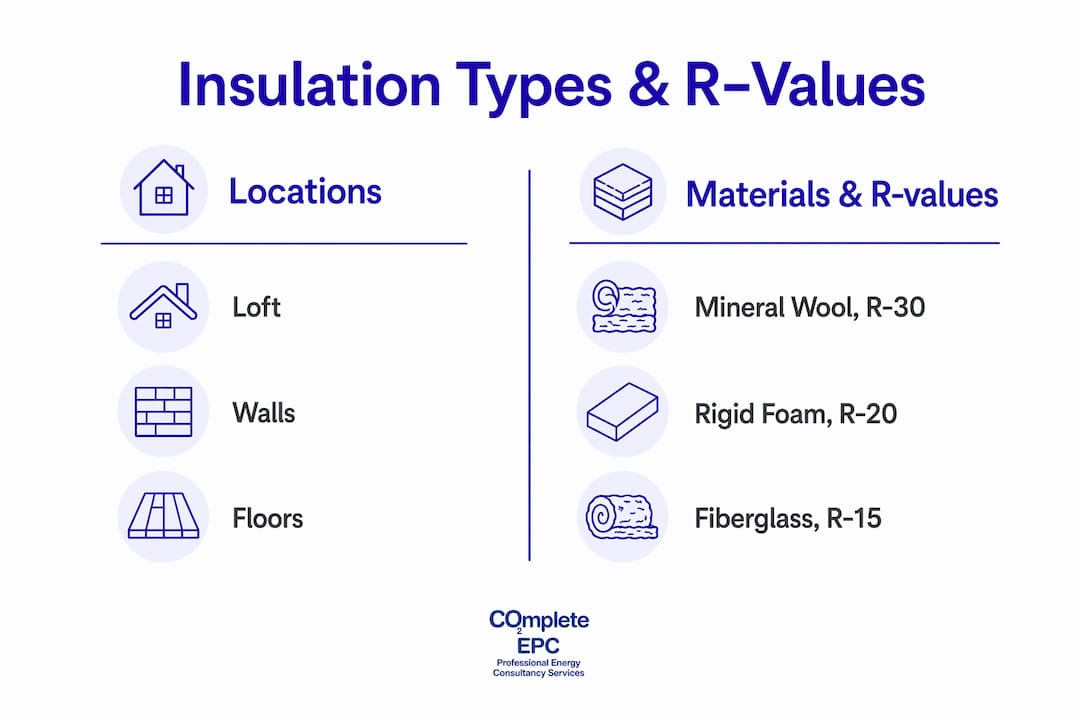
Mineral wool is the most widely used material in UK properties because it is fire-resistant, affordable, and straightforward to install. Rigid foam board suits solid walls where cavity fill is not possible.
Pro Tip: Always air seal before you insulate. Over-insulating without adequate ventilation causes moisture to build up inside wall cavities, leading to mould and timber rot. Seal gaps first, then add insulation, and check that your property retains sufficient background ventilation.
How can heating and hot water systems be optimised for better energy performance?
A well-insulated home still wastes money if the heating system is inefficient or poorly controlled. Heating and hot water typically account for the largest share of a household’s energy bill, so targeted upgrades here deliver measurable savings quickly.
Key heating upgrades worth prioritising
- Smart thermostats and heating controls. A programmable or smart thermostat lets you heat rooms only when occupied and at the temperatures you actually need. Turning your thermostat down by just 1°C can reduce your heating bill noticeably over a full winter.
- Condensing boilers. Modern condensing boilers recover heat from flue gases that older non-condensing models waste. If your boiler is more than 15 years old, replacing it with a condensing model is one of the highest-return upgrades available.
- Hot water cylinder insulation jackets. Fitting an insulating jacket to a hot water cylinder costs very little and can save around £40 and 160kg of CO2 annually. The jacket pays for itself within a year, making it one of the fastest-payback measures available.
- Radiator reflector panels. Fitting foil-backed panels behind radiators on external walls reflects heat back into the room rather than letting it conduct through the wall. These cost only a few pounds per panel and take minutes to fit.
- Annual boiler servicing. A boiler running on a dirty heat exchanger or with incorrect gas pressure loses efficiency steadily. Annual servicing keeps output at rated levels and extends the system’s working life.
Pro Tip: Schedule your boiler replacement or heating controls upgrade at the same time as your insulation work. Some 2026 rebate programmes require completed insulation and air sealing before appliance rebates qualify. Combining the work in one phase means you meet eligibility requirements and reduce labour costs.
What role do renewable energy technologies play in improving home energy performance?
Renewable energy options reduce your dependence on grid electricity and fossil fuels. They work best when installed after insulation and heating controls are already in place, because a well-sealed home needs less energy to begin with, which means smaller and cheaper renewable systems can meet your remaining demand.
Solar photovoltaic panels
Solar PV panels generate electricity from daylight, not just direct sunshine, making them viable across most of the UK. The electricity they produce offsets what you would otherwise buy from the grid, reducing bills directly. Excess generation can be exported to the grid under the Smart Export Guarantee, providing an additional income stream.
- Solar PV works alongside heat pump systems, using generated electricity to run low-carbon heating.
- Battery storage units allow you to use solar-generated electricity in the evening rather than exporting it at lower rates.
- Panels typically carry 25-year performance warranties, making the long-term payback predictable.
- In 2026, qualifying solar installations may be eligible for financial support under government rebate schemes, reducing the initial outlay significantly.
The payback period for solar PV depends on your roof orientation, shading, and current electricity tariff. South-facing roofs with minimal shading achieve the shortest payback. A professional assessment before purchase gives you accurate figures for your specific property.
How to prioritise and plan energy efficiency upgrades for best results
The most common mistake homeowners make is treating upgrades as isolated fixes. Replacing windows before sealing the loft, or fitting a heat pump before improving wall insulation, wastes money and delivers disappointing results. A whole-home systems approach sequences upgrades so each one builds on the last.
An EPC assessment is the most practical starting point. EPC recommendations are ordered by cost-effectiveness, giving you a ready-made roadmap rather than a list you have to rank yourself. Use it alongside a professional energy assessment to confirm priorities for your specific property type and construction.
Aligning upgrades with 30-year replacement cycles for roofing, siding, and windows reduces overall costs significantly. If your roof needs replacing in the next two years, that is the right time to add loft insulation, not five years earlier when you would have to remove it again. The same logic applies to windows: fitting draught-proofing now and replacing frames when they reach end of life avoids redundant expenditure.
DOE guidance for 2026 rebate programmes mandates that building envelope improvements, meaning insulation and air sealing, must be completed before appliance rebates qualify. This policy reflects a deliberate shift: reducing energy demand comes before installing efficient technology to meet that demand.
| Upgrade | Recommended sequence | Typical payback period |
|---|---|---|
| Air sealing | First | 1–3 years |
| Loft and wall insulation | Second | 2–5 years |
| Heating controls and smart thermostat | Third | 1–2 years |
| Condensing boiler or heat pump | Fourth | 5–12 years |
| Solar PV panels | Fifth | 8–15 years |
Checking your eligibility for the home efficiency upgrades guide before committing to any single measure helps you sequence work to maximise rebate eligibility and avoid costly rework. You should also keep records of all completed work, as rebate applications typically require evidence of prior improvements.
Pro Tip: Before scheduling any contractor, walk through your home with a home maintenance checklist to identify structural gaps and entry points that need sealing. Gaps that let in draughts often let in pests too, and addressing both at once saves a second round of remedial work.
Key takeaways
A whole-home approach to energy upgrades, starting with air sealing and insulation and sequencing through heating controls, renewable energy, and EPC-guided planning, delivers the greatest cost savings and rebate eligibility in 2026.
| Point | Details |
|---|---|
| Start with air sealing and insulation | These deliver 15–30% annual savings and are required before most 2026 rebates qualify. |
| Use your EPC as a roadmap | EPC recommendations are ordered by cost-effectiveness, removing the guesswork from sequencing. |
| Insulate your hot water cylinder | A jacket costs little, saves around £40 per year, and pays back within 12 months. |
| Align upgrades with replacement cycles | Scheduling insulation and window upgrades alongside natural replacements avoids redundant labour costs. |
| Combine measures for maximum rebate value | Completing envelope improvements first unlocks appliance and renewable energy rebate eligibility. |
What I’ve learned from years of watching homeowners get this wrong
The pattern I see most often is a homeowner who replaces their boiler, notices only modest savings, and concludes that energy upgrades are overhyped. The boiler was not the problem. The loft was losing heat faster than any boiler could replace it efficiently.
The whole-home systems approach is not a theoretical concept. It is the difference between a project that pays back in two years and one that takes twelve. I have seen landlords spend thousands on new windows while their cavity walls remained uninsulated, and the tenants still complained about cold rooms. The windows looked good. The energy bills barely moved.
DIY audits are genuinely useful, and I encourage every homeowner to do one before calling a contractor. Walking your own home with fresh eyes, feeling for draughts, checking loft insulation depth, and looking at your EPC rating, gives you enough information to have an informed conversation with any assessor or installer. You will not be sold something you do not need.
The 2026 incentive window is real and worth planning around. The sequencing requirements built into rebate programmes are not bureaucratic obstacles. They reflect sound building science: reduce demand first, then install efficient technology to meet what remains. Follow that order and the financial case for upgrading becomes straightforward.
Seek professional advice when you reach the heating system and renewable energy stages. The upfront cost of a proper assessment pays for itself many times over in avoided mistakes.
— Danny
How Completeepc supports your energy performance goals
An EPC is not just a legal requirement for selling or letting a property. It is the clearest picture you have of where your home loses energy and what to fix first. Completeepc provides domestic EPC assessments across London, carried out by qualified assessors with extensive field experience. Each report sets out a prioritised list of improvements with estimated costs and savings, giving you a practical plan rather than a generic checklist. Whether you are a homeowner planning upgrades or a landlord meeting compliance obligations, Completeepc offers accurate assessments at the UK’s most competitive rates. Contact Completeepc to book your assessment and get a clear starting point for your energy improvement plan.
FAQ
What does improving home energy performance actually involve?
Improving home energy performance means reducing the energy your property wastes through upgrades to insulation, air sealing, heating controls, and renewable technologies, typically guided by an EPC assessment.
How much can I save by upgrading insulation and air sealing?
Comprehensive insulation and air sealing upgrades reduce heating and cooling costs by 15–30% annually, with payback periods of 1–3 years depending on the property.
What is an EPC and why does it matter for energy upgrades?
An Energy Performance Certificate rates your home’s energy efficiency from A to G and lists improvements in order of cost-effectiveness, making it the most practical roadmap for planning upgrades.
Do I need to complete insulation before claiming appliance rebates in 2026?
Yes. 2026 rebate programmes require building envelope improvements, including insulation and air sealing, to be completed before appliance and renewable energy rebates qualify.
Is a DIY energy audit worth doing before hiring a professional?
A DIY audit identifies roughly 70–80% of the issues a professional would find and costs nothing, making it a worthwhile first step before commissioning a formal assessment.