
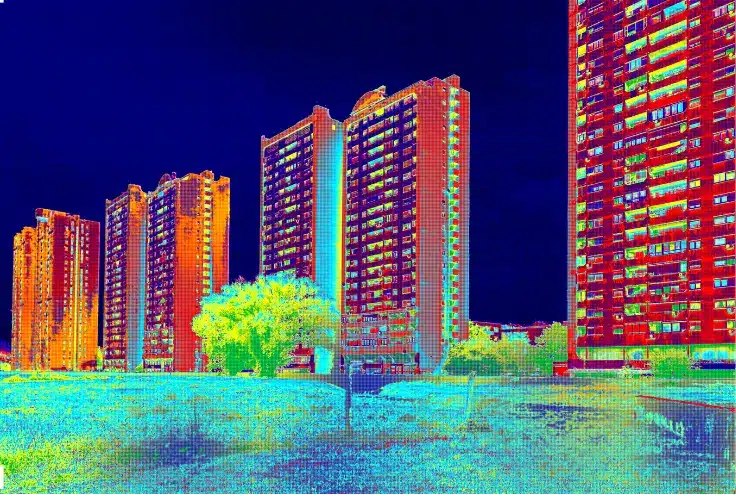
As London continues to experience increasingly warm summers, the issue of overheating in buildings has become a critical concern. Overheating not only affects occupant comfort but can also have serious health implications, particularly for vulnerable populations. To address this, the TM52 assessment, developed by the Chartered Institution of Building Services Engineers (CIBSE), provides a standardised method for evaluating and mitigating overheating in buildings. In this blog, we’ll explore the ins and outs of Overheating TM52 assessment and why it’s essential for building projects in London.
What is Overheating TM52?
The TM52 assessment is a methodology developed by CIBSE to assess and manage the risk of overheating in buildings, particularly during the summer months. TM52 provides a framework for evaluating a building’s thermal comfort and identifying whether it meets the necessary criteria to avoid overheating. This assessment is particularly relevant in London, where urban heat island effects and increasingly unpredictable weather patterns can exacerbate the risk of overheating.
Why is Overheating a Concern in London?
London’s dense urban environment, with its vast expanses of concrete and glass, contributes to the urban heat island effect, where temperatures in the city can be significantly higher than in surrounding rural areas. This effect, combined with climate change, has led to more frequent and intense heatwaves in recent years. Buildings that are not designed or adapted to cope with these conditions can become uncomfortably hot, leading to reduced productivity, discomfort, and health risks for occupants.
The TM52 Assessment Criteria
The TM52 assessment evaluates a building’s potential for overheating based on three main criteria:
- Hours of Exceedance (Criterion 1)
This criterion measures the number of hours during which the operative temperature exceeds a specified comfort threshold. For a building to pass the TM52 assessment, the number of hours exceeding this threshold should be limited to no more than 3% of the annual occupied hours. In London, where summer temperatures can be particularly high, this criterion helps ensure that buildings remain comfortable during peak periods of heat.
- Daily Weighted Exceedance (Criterion 2)
Daily Weighted Exceedance (DWE) is a measure that takes into account not just how often the temperature exceeds the threshold, but also by how much. This criterion looks at the severity of overheating on a day-to-day basis. A building fails this criterion if the weighted exceedance is too high, indicating that the indoor environment could become uncomfortably hot on a typical summer day in London.
- Upper Limit Temperature (Criterion 3)
The third criterion sets an upper limit for acceptable temperatures within a building. This ensures that even during extreme heat events, the temperature does not rise to levels that could be harmful or intolerable for occupants. In London, where heatwaves can push temperatures to record highs, this criterion is critical for protecting the health and well-being of those inside the building.
A building is considered to have passed the TM52 assessment if it meets at least two out of these three criteria. This flexible approach recognises that different buildings have different uses and occupant needs, allowing for a tailored assessment of overheating risk.
Implementing TM52 in London’s Building Projects
Incorporating TM52 into the design and assessment of London’s buildings is essential for managing overheating risks. Here’s how TM52 can be implemented effectively:
- Early Design Integration
To successfully manage overheating risks, TM52 should be considered from the earliest stages of building design. This includes evaluating the building’s orientation, glazing, insulation, and ventilation strategies. In London, where space is limited and buildings are often close together, careful consideration of these factors is crucial to minimising overheating.
- Use of Dynamic Thermal Modelling
TM52 assessments typically involve the use of dynamic thermal modelling, which simulates how the building will perform under various weather conditions. This modelling helps identify potential overheating risks and allows designers to explore different mitigation strategies, such as shading devices, natural ventilation, or high-performance glazing. For London’s complex and varied climate, dynamic modelling is an invaluable tool in predicting and preventing overheating.
- Post-Construction Testing
Once a building is completed, it’s important to verify that it performs as expected under real-world conditions. Post-construction testing can involve monitoring indoor temperatures during warm periods to ensure that the building meets TM52 criteria. In London, where building performance is closely scrutinised, this testing provides assurance that the building will remain comfortable and safe during hot weather.
- Retrofitting Existing Buildings
While TM52 is often applied to new developments, it can also be used to assess and retrofit existing buildings. In London, where many buildings were constructed before overheating became a significant concern, retrofitting to meet TM52 standards can dramatically improve thermal comfort. This might involve adding shading, upgrading ventilation systems, or improving insulation.
The Benefits of TM52 Compliance
Meeting TM52 standards offers several benefits for buildings in London:
- Improved Occupant Comfort: Ensuring that a building does not overheat improves the comfort and well-being of occupants, which can lead to higher productivity and satisfaction.
- Health and Safety: By preventing extreme indoor temperatures, TM52 compliance helps protect the health of building occupants, particularly during heatwaves.
- Regulatory Compliance: As overheating becomes a more prominent issue, local authorities in London may increasingly require TM52 assessments as part of planning and building control processes.
- Future-Proofing: With climate change likely to increase the frequency and intensity of heatwaves, buildings that meet TM52 standards are better equipped to cope with future temperature extremes.
Conclusion
Overheating is a growing concern in London, and the TM52 assessment provides a robust framework for addressing this challenge. By ensuring that buildings are designed to remain comfortable even during the hottest periods, TM52 helps create a safer and more pleasant environment for all. Whether you’re involved in a new development or looking to retrofit an existing building, understanding and implementing TM52 is essential for managing overheating risks in London’s changing climate.
For developers, architects, and property owners in London, incorporating TM52 assessments into your projects is not just about meeting regulations—it’s about ensuring that your buildings are resilient, comfortable, and sustainable in the face of rising temperatures.