
TL;DR:
- Simple behavioral changes like turning off appliances and lowering thermostats can save homeowners over £200 annually. Targeted upgrades, such as replacing boilers and upgrading insulation, offer higher long-term savings, especially with government support and grants. Renters can improve energy efficiency through low-cost actions and engaging landlords, aided by smart technology and energy assessments.
Effective energy usage optimisation is the practice of reducing the energy your home consumes without sacrificing comfort, and it is one of the most direct ways to cut household bills. The best tips for better energy usage combine immediate behavioural changes with targeted property upgrades. Turning your thermostat down by just 1°C cuts heating use by 10%, and switching off appliances at the wall rather than leaving them on standby saves £65 to £147 a year. UK standards such as EPC ratings and the government’s Warm Homes Plan make these improvements more accessible than ever, whether you own or rent your home.
1. What are the simplest daily habits to reduce energy consumption?
The fastest wins in energy conservation come from changing daily habits, not spending money. These actions cost nothing and produce results from the first week.
- Switch appliances off at the wall. Standby mode is not the same as off. Phantom standby power accounts for a significant share of preventable monthly energy costs, and eliminating it saves up to £147 a year.
- Replace all bulbs with LEDs. LED lighting uses up to 90% less energy than incandescent bulbs and lasts far longer. Switching your whole home to LEDs saves around £65 annually.
- Lower your thermostat by 1°C. A single degree reduction cuts your heating bill by 10%. That one change alone can save more than most people expect across a full heating season.
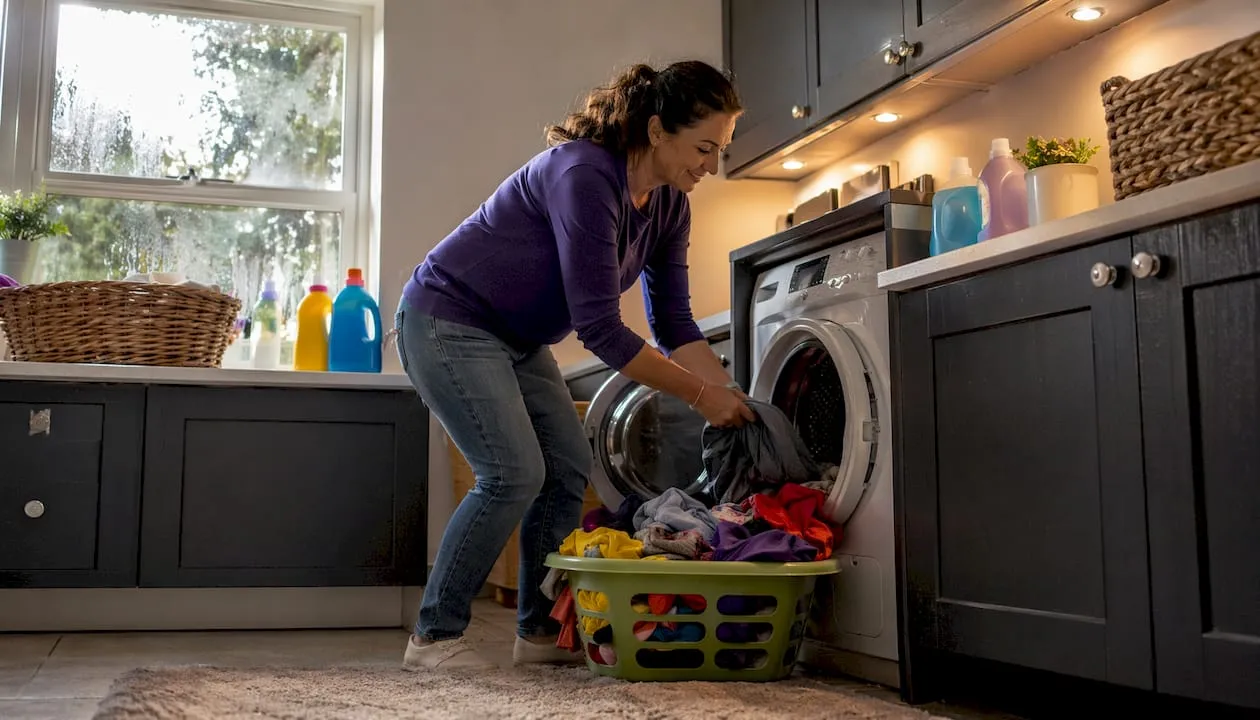
- Run appliances on eco settings. Washing machines, dishwashers, and tumble dryers all have eco modes that use less water and electricity. A 30°C wash cycle uses significantly less energy than a 60°C cycle.
- Take shorter showers. Heating water is one of the largest energy costs in any home. Cutting a daily shower from eight minutes to four minutes produces a noticeable reduction in both water heating and water bills.
- Avoid charging devices overnight. Most devices reach full charge within two hours. Leaving them plugged in overnight wastes electricity and degrades battery health over time.
Pro Tip: Batch your laundry and always run full loads. A half-full washing machine uses nearly as much energy as a full one, so waiting until you have a complete load cuts the number of cycles you run each week.
2. Which home upgrades deliver the best energy savings?
Small changes like draught proofing and LED lighting deliver immediate returns before any large-scale investment. Once those quick wins are in place, targeted upgrades to your home’s fabric and heating system produce the largest long-term savings.
| Upgrade | Estimated annual saving | Typical upfront cost |
|---|---|---|
| Loft insulation top-up | £20 | Low |
| Draught proofing doors and windows | £45–£60 | Very low |
| Heating controls (thermostat and timer) | £75–£150 | Low to medium |
| Hot water cylinder insulation jacket | £35–£45 | Very low |
| A-rated boiler with full controls | £420 | High |
| Double glazing | £110–£165 | High |
The boiler upgrade stands out. Replacing an old G-rated boiler with a modern A-rated boiler and full controls saves an average of £420 per year in Great Britain. That saving alone can recover the installation cost within a few years.
Loft insulation is the most cost-effective fabric improvement for most homes. Topping up existing insulation to the recommended depth saves approximately £20 yearly. The upfront cost is low, and the work takes a single afternoon.
Pro Tip: Before spending on any upgrade, use the government’s personalised upgrade tool to identify which improvements suit your specific property. Generic advice can lead to spending on measures that deliver little benefit for your home type.
3. How can renters improve energy efficiency in a rented home?
Renters face real constraints, but they have more options than most realise. Behavioural changes and low-cost additions are entirely within a renter’s control, and new regulations give landlords a strong reason to invest in upgrades.
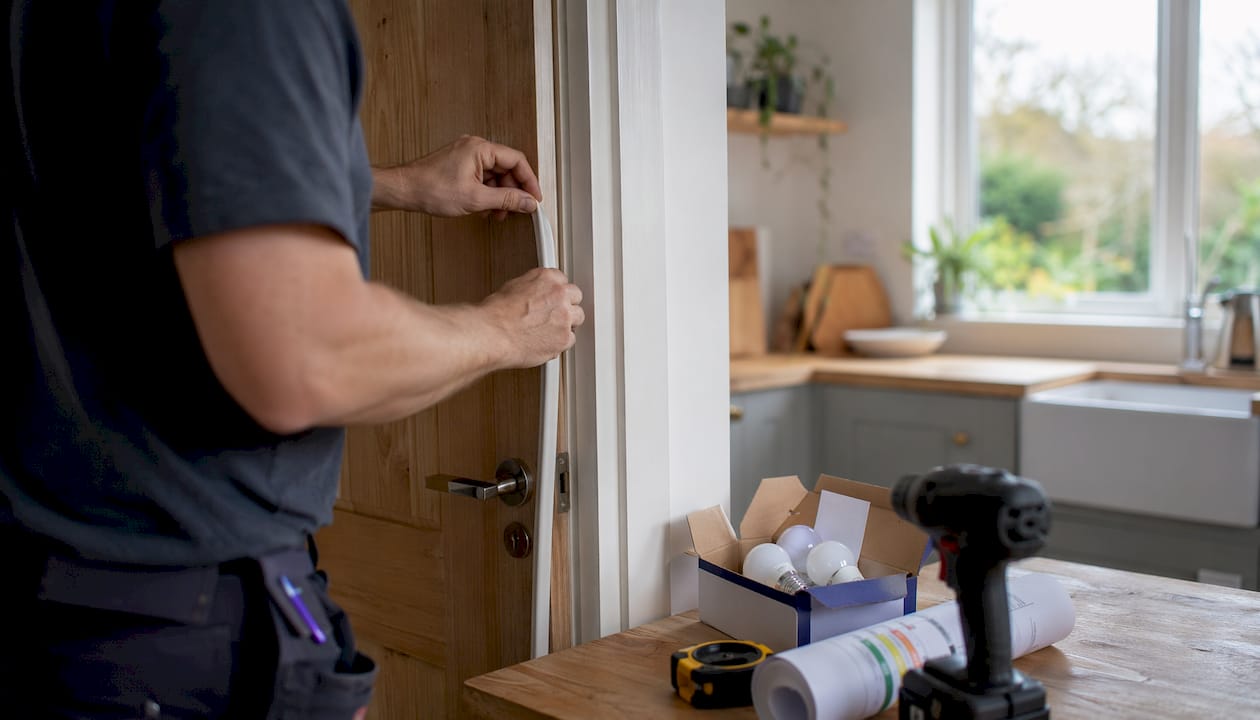
- Use draught excluders on doors and windows. These cost under £10 and reduce heat loss immediately. They require no landlord permission and make a measurable difference in draughty properties.
- Switch to LED bulbs. Most tenancy agreements allow tenants to replace bulbs. LEDs reduce lighting costs and last long enough to take with you when you move.
- Use a smart plug or timer on electric heaters. Portable heaters left running unattended waste significant energy. A timer plug costs around £10 and prevents this.
- Request your property’s EPC at the start of your tenancy. Landlords are legally required to provide it. The EPC shows the property’s current rating and lists recommended improvements.
- Track your usage with a smart meter. Ask your energy supplier for a smart meter if one is not already installed. Seeing real-time consumption data changes spending behaviour quickly.
Renters can also engage landlords directly about upgrades. Landlords face regulatory pressure to reach an EPC C rating by 2030, which means improvements are increasingly in their financial interest. A written request citing the EPC recommendations is a practical starting point.
Pro Tip: Keep a record of your energy bills from the first month of your tenancy. If bills are unusually high, that data supports a conversation with your landlord about draught proofing, insulation, or heating controls.
You can find a full energy efficiency checklist covering both tenants and landlords if you want a structured starting point for those conversations.
4. What role does technology play in managing home energy use?
Smart home technology does not replace good habits, but it makes those habits easier to maintain. The right devices give you visibility over consumption and remove the need to remember every switch.
- Smart thermostats learn your schedule and adjust heating automatically. They prevent the common mistake of heating an empty home and can be controlled remotely from a phone.
- Smart meters show real-time energy consumption in pounds and pence, not just kilowatt hours. Seeing the cost of leaving a tumble dryer running changes behaviour faster than any advice.
- Smart plugs cut standby power to televisions, gaming consoles, and other devices automatically. You set a schedule once and the plug handles the rest.
- Energy monitoring apps connected to your smart meter show daily, weekly, and monthly patterns. Spotting a spike on a particular day often reveals a habit worth changing.
The practical benefits of smart home devices are most pronounced when combined with behavioural changes. Technology alone does not save energy. It gives you the information to make better decisions consistently.
Cost is a genuine consideration. A quality smart thermostat costs £100–£250 to purchase and install. The payback period depends on your current heating habits, but homes with irregular schedules typically recover the cost within one to two heating seasons.
5. How do government programmes support home energy savings?
The UK government’s Warm Homes Plan is the largest residential energy efficiency initiative the country has seen. It invests nearly £15 billion to reduce energy bills and improve home energy performance across the country. That scale of funding shifts the conversation from advice to practical financial support.
Key support available includes:
- Grants for insulation and low-carbon heating. The Warm Homes Plan funds solar panels, heat pumps, and insulation upgrades, with priority given to lower-income households.
- Boiler Upgrade Scheme. This provides grants toward the cost of replacing a gas boiler with a heat pump or biomass boiler, reducing the upfront barrier for homeowners.
- Low and zero-interest loans. From 2027, government-backed financial support shifts toward personalised loan products to fund home energy improvements at affordable rates.
- Support for low-income households. Specific funding streams target fuel-poor households, covering a higher proportion of upgrade costs.
The Warm Homes Plan represents a structural shift in UK energy policy. For the first time, financial support is being designed around a property’s specific EPC data, meaning the improvements funded are the ones most likely to deliver real savings for that home.
Eligibility varies by scheme and household income. The government’s official guidance and the Energy Saving Trust both provide up-to-date eligibility checks. Applying early for any scheme is advisable, as funding rounds are time-limited.
Key takeaways
The most effective approach to reducing home energy consumption combines immediate behavioural changes with targeted property upgrades and available government financial support.
| Point | Details |
|---|---|
| Daily habits deliver fast savings | Switching off standby devices and lowering the thermostat by 1°C saves over £200 a year combined. |
| Boiler upgrades offer the highest return | Replacing a G-rated boiler with an A-rated model saves £420 per year on average in Great Britain. |
| Renters have real options | Draught excluders, LED bulbs, and engaging landlords on EPC improvements are all within a renter’s reach. |
| Smart technology supports better decisions | Smart meters and thermostats make consumption visible and reduce heating waste automatically. |
| Government funding reduces upfront costs | The Warm Homes Plan’s £15 billion investment includes grants and loans for insulation, heat pumps, and solar. |
Why I think most people approach energy saving the wrong way
Most people wait for a large renovation before tackling energy efficiency. They assume the savings only come from expensive measures like heat pumps or triple glazing. That assumption costs them money every month while they wait.
The reality I have seen repeatedly is that draught proofing a front door, switching to LED bulbs, and turning the thermostat down by one degree produces more immediate financial benefit than most homeowners expect. These measures cost under £50 in total and can be done in a weekend. The Energy Saving Trust confirms that low-cost improvements like these deliver substantial savings before any large-scale investment is needed.
For renters, the challenge is different. The temptation is to assume nothing can be done because you do not own the property. That is the wrong framing. You can reduce your own consumption through behaviour and low-cost additions regardless of what your landlord does. And with landlords now facing a legal obligation to reach EPC C by 2030, a well-framed conversation about upgrades is more likely to succeed than it was five years ago.
The hardest part is maintaining momentum after the first month. My advice is to track your bills monthly and treat each reduction as confirmation that the changes are working. Progress compounds. A 10% reduction in heating costs plus a £65 saving from LED bulbs plus £100 saved from eliminating standby adds up to a meaningful annual figure. Start with the cheapest measures, measure the results, and use that evidence to justify the next investment.
— Danny
How Completeepc helps you assess and improve your home’s energy performance
Understanding your home’s energy performance is the foundation of any effective improvement plan. Completeepc provides professional domestic EPC assessments for homeowners and landlords across London, carried out by qualified assessors with extensive industry experience. Each assessment identifies your property’s current EPC rating and lists the specific improvements most likely to reduce your bills and increase your property’s value. For landlords working toward the 2030 EPC C requirement, an accurate assessment is the logical first step. Completeepc offers competitive pricing with a UK lowest-rate guarantee, making it straightforward to get the information you need without unnecessary cost. Book an assessment and receive a clear, actionable report tailored to your property.
FAQ
How much can I save by turning off standby devices?
Switching appliances off at the wall instead of leaving them on standby saves between £65 and £147 per year. The exact saving depends on the number and type of devices in your home.
What is the single most effective home upgrade for energy savings?
Replacing an old G-rated boiler with a modern A-rated boiler and full heating controls saves an average of £420 per year in Great Britain. No other single upgrade delivers a comparable annual saving for most homes.
Do renters have to wait for landlords to improve energy efficiency?
Renters can act independently by using draught excluders, switching to LED bulbs, and fitting smart plugs. For larger improvements, engaging your landlord is worthwhile, as landlords face regulatory pressure to reach EPC C by 2030.
What is the Warm Homes Plan and who does it help?
The Warm Homes Plan is a UK government initiative investing nearly £15 billion in home energy efficiency. It provides grants and loans for insulation, heat pumps, and solar panels, with priority support for lower-income households.
How do I know which energy upgrades are right for my property?
Your property’s EPC report lists recommended improvements ranked by cost-effectiveness. The government’s personalised upgrade tool also uses your EPC data to suggest the most suitable measures for your specific home.