
Introduction
In the bustling city of London, energy efficiency is not just a trend but a necessity. Whether you’re a homeowner, landlord, or prospective buyer, understanding Energy Performance Certificates (EPCs) is crucial. EPCs play a pivotal role in determining the energy efficiency of a property, helping you make informed decisions and ensuring compliance with regulations.
What is an EPC?
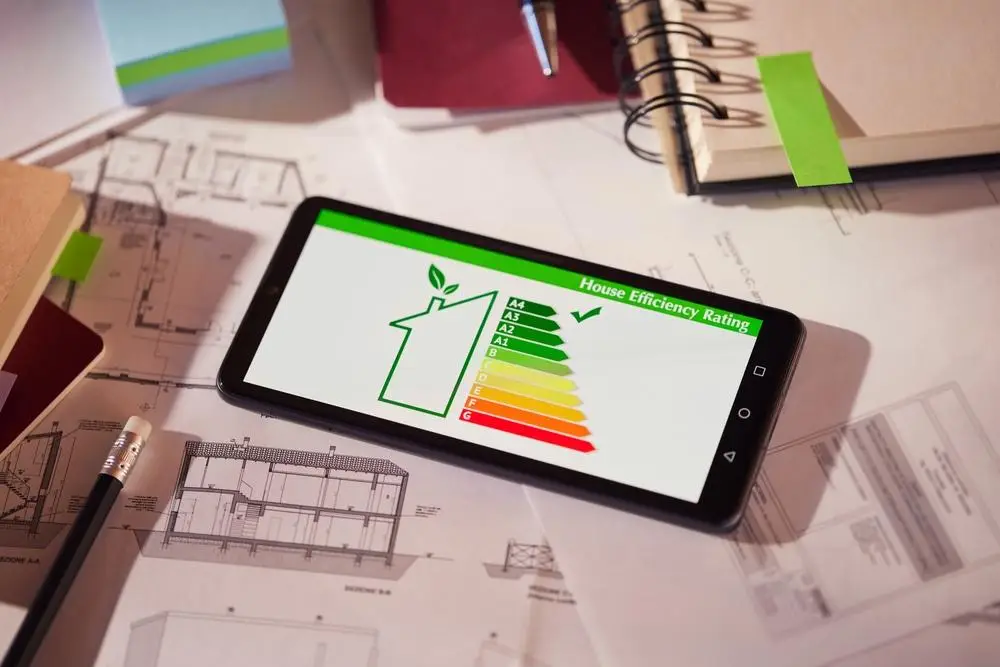
An Energy Performance Certificate (EPC) provides an assessment of the energy efficiency of a property. It is a mandatory document that rates properties on a scale from A (most efficient) to G (least efficient). The certificate also includes recommendations for improving energy efficiency, which can help reduce energy bills and lower carbon footprints.
Why is an EPC Important?
- Legal Requirement: In London, and across the UK, an EPC is required whenever a property is built, sold, or rented. Failure to have a valid EPC can result in hefty fines.
- Energy Savings: By understanding the energy efficiency of your property, you can implement recommended improvements, leading to lower energy bills.
- Environmental Impact: Improving your property’s EPC rating can significantly reduce carbon emissions, contributing to a greener London.
How to Obtain an EPC in London
Step 1: Finding a Qualified Assessor
To get an EPC, you need to contact an accredited energy assessor. In London, there are many professionals and companies that provide this service. Ensure they are registered with a recognised accreditation body, such as Elmhurst Energy or Stroma Certification.
Step 2: The Assessment Process
The assessor will visit your property to conduct a thorough inspection. They will evaluate aspects such as:
- Heating Systems: The type and efficiency of your heating and hot water systems.
- Insulation: The effectiveness of your insulation, including walls, roof, and floors.
- Windows: The presence of double or triple glazing and their condition.
- Lighting: The type of lighting used and its energy efficiency.
Step 3: Receiving Your EPC
After the inspection, the assessor will generate your EPC, which includes:
- Energy Efficiency Rating: A letter grade from A to G.
- Environmental Impact Rating: A similar grading for the property’s carbon emissions.
- Recommendations: A list of suggested improvements to enhance your property’s energy efficiency.
Costs and Validity
The cost of an EPC in London varies depending on the type and size of the property. On average, prices range from £35 to £120. An EPC is valid for ten years, after which you will need to obtain a new certificate if you plan to sell or rent your property.
Improving Your EPC Rating
Implement Energy-Efficient Upgrades
- Upgrade Heating Systems: Replace old boilers with energy-efficient models and install programmable thermostats.
- Improve Insulation: Add or upgrade insulation in your loft, walls, and floors to reduce heat loss.
- Install Double Glazing: Replace single-glazed windows with double or triple glazing to improve thermal efficiency.
- Switch to Energy-Efficient Lighting: Use LED bulbs, which consume less energy and have a longer lifespan.
Take Advantage of Government Schemes
The UK government offers various incentives to encourage energy-efficient home improvements, such as the Green Homes Grant and Energy Company Obligation (ECO) scheme. These programs can provide financial support for making energy efficiency upgrades.
Conclusion
In a city like London, where energy efficiency is increasingly important, understanding and maintaining a good EPC rating is crucial for property owners. Not only does it ensure compliance with legal requirements, but it also offers significant benefits in terms of cost savings and environmental impact.
By following the steps outlined in this guide, you can ensure that your property meets the required standards and contributes to a more energy-efficient future for London. Whether you’re buying, selling, or renting, an up-to-date and favourable EPC will put you in a stronger position in the property market.