

TL;DR:
- Changing to a fixed-energy tariff can save households around £251 annually.
- Implementing home insulation and adjusting boiler settings significantly reduce heat loss and energy costs.
Saving money on energy bills means combining smarter daily habits, the right tariff, and targeted home upgrades. Homeowners and renters in the UK can realistically cut hundreds of pounds from their annual costs without major works. Switching to a fixed-rate deal alone saves an average of £251 per year, while loft insulation can save up to £200 more. The most effective approach, according to energy experts, is a tiered strategy: free habit changes first, then payment optimisation, then capital improvements.
How can changing your energy tariff save you money?
Switching your energy tariff is the single fastest way to reduce household energy costs. As of july 2026, 26 fixed-rate deals are available that undercut the current price cap. That means a straightforward switch could put £251 back in your pocket each year without changing a single habit.
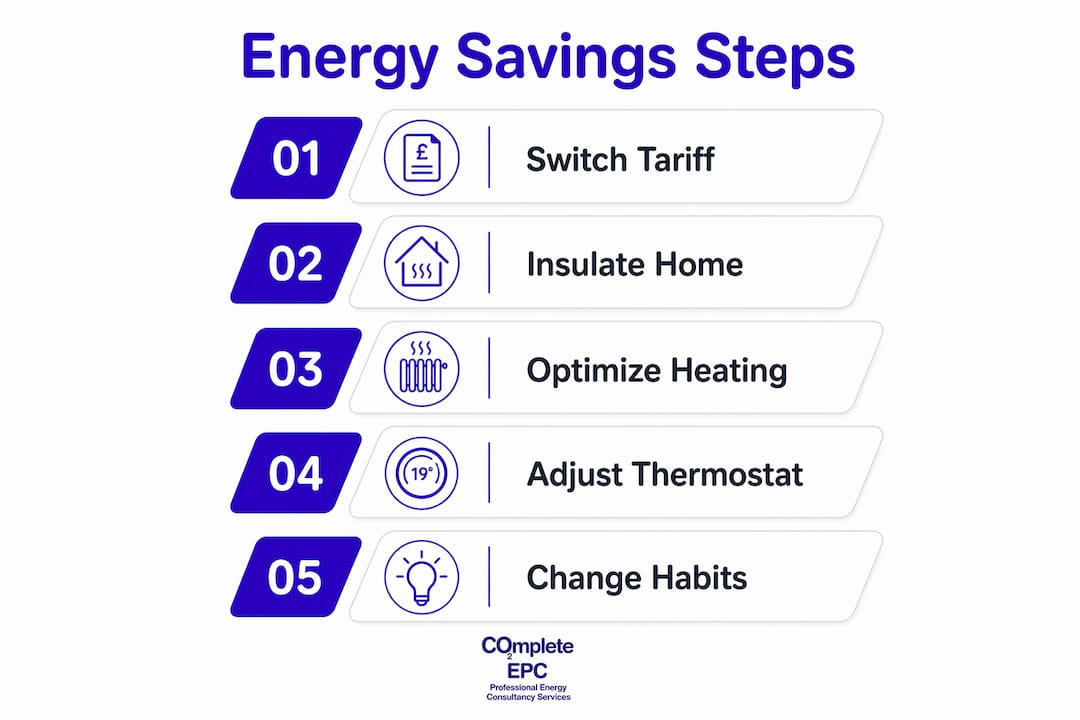
Your payment method matters just as much as your tariff. Paying by monthly direct debit costs £140 less per year than paying quarterly by standard credit. Many households stick with quarterly billing for perceived convenience, but that preference carries a real financial penalty.
Key steps to lower utility expenses through tariff changes:
- Compare fixed-rate deals on USwitch or the Ofgem-accredited comparison services before the next price cap review.
- Switch to monthly direct debit immediately. The saving is automatic and requires no ongoing effort.
- Submit an accurate meter reading before switching to avoid estimated bills that inflate your final statement.
- Review your tariff every 12 months. Fixed deals expire, and reverting to a standard variable tariff erases your savings.
- Check whether your supplier offers a dual-fuel discount if you buy gas and electricity together.
Pro Tip: Set a calendar reminder three months before your fixed deal ends. Switching at expiry, rather than after, prevents you from defaulting back to the price cap rate.
What home insulation and heating changes cut bills the most?
Heat loss is the primary driver of wasted energy in UK homes. 25% of heat escapes through an uninsulated roof, and a further 35% is lost through uninsulated walls. Addressing both is the most cost-effective structural investment a homeowner can make.
| Measure | Estimated annual saving | Heat loss addressed |
|---|---|---|
| Loft insulation (27–30cm) | Up to £200 | 25% via roof |
| Cavity wall insulation | Significant reduction | 35% via walls |
| Boiler flow temperature reduction | £65–£100 | Wasted heat in pipes |
| Thermostat setback (7–10°C lower overnight) | ~10% on heating costs | Unnecessary overnight heating |
| Draught-proofing doors and windows | Moderate | Cold air infiltration |
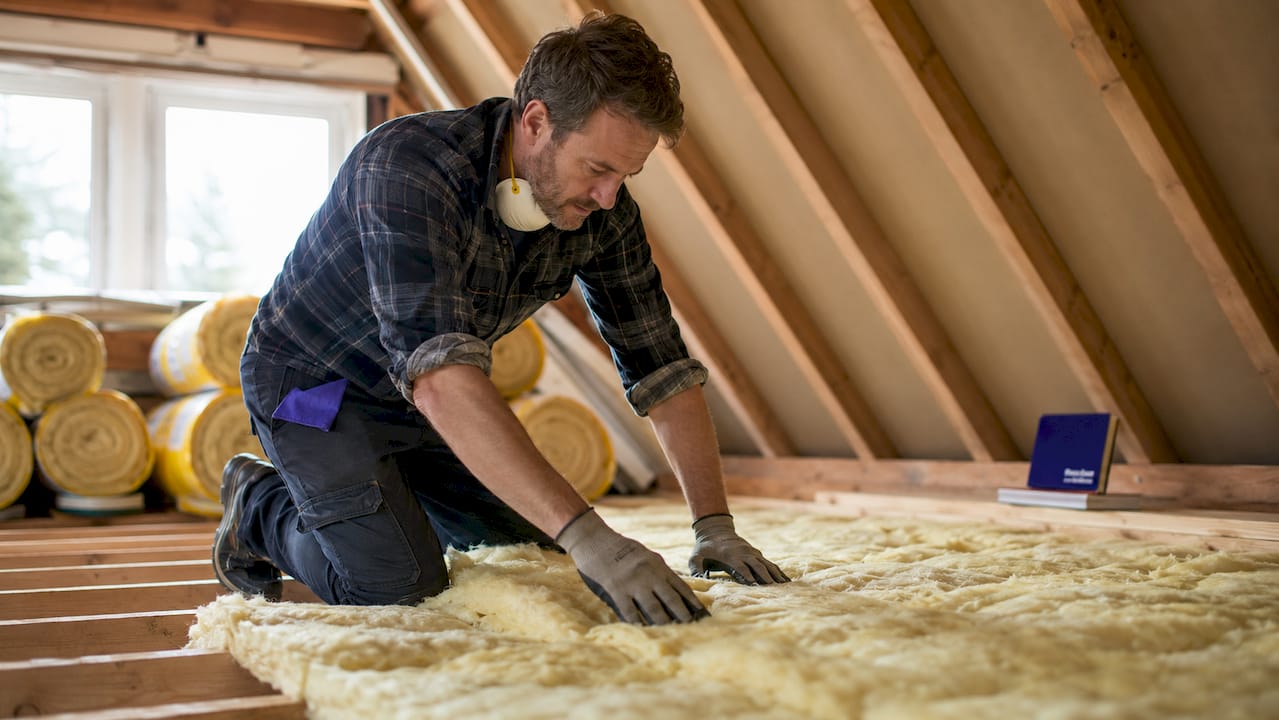
Loft insulation to a depth of 27–30cm is the most straightforward upgrade. The installation cost is relatively low, and the up to £200 yearly saving means most households recover the cost within a few years.
Boiler settings are frequently overlooked. Lowering your combi boiler flow temperature saves £65–£100 per year. This is not the same as adjusting your room thermostat. It involves changing the temperature at which water circulates through your radiators, typically from 80°C down to 60°C.
Thermostat scheduling delivers consistent savings with no upfront cost. Setting your thermostat 7–10 degrees lower when you sleep or leave the house reduces heating and cooling costs by around 10%. A programmable or smart thermostat, such as those from Nest or Hive, automates this without any daily effort.
Pro Tip: Before investing in cavity wall insulation, check whether your walls are already filled. Many post-1990 properties were built with insulation in place. A quick visual inspection of the wall cavity from the loft can save you an unnecessary survey fee.
How do daily habits and appliance use lower electricity bills?
Behavioural changes cost nothing and deliver immediate results. The most effective low-cost actions target water heating, standby power, and when you run high-draw appliances.
-
Shorten your showers. Replacing one bath per week with a four-minute shower saves £10 per year and 4,000 litres of water. That figure scales up if multiple people in the household make the same change.
-
Eliminate standby power. Devices left on standby draw continuous low-level power, known as vampire loads. Televisions, games consoles, and phone chargers are the main culprits. Switching them off at the wall removes the load entirely.
-
Shift appliance use to off-peak hours. Many suppliers offer Power Hours or off-peak tariffs where electricity is cheaper at certain times, typically overnight or at weekends. Running your washing machine, dishwasher, or tumble dryer during these windows reduces the cost per cycle.
-
Lower your water heater temperature. Reducing water heater temperature from 60°C to 49°C can cut water heating costs by 4%–22% annually. Most households keep their water heater far hotter than necessary.
-
Use your smart meter actively. Smart meters alone do not cut energy use. Savings come from reading the data and acting on it. Link your smart meter to an energy management app and use it to identify which appliances drive your highest daily consumption.
Pro Tip: Run a full load every time you use the washing machine and select a 30°C cycle. Washing at lower temperatures uses significantly less energy than a 60°C cycle and is sufficient for most everyday laundry.
What financial support is available if energy costs are unmanageable?
Energy debt in the UK has reached a serious scale. UK energy debt now exceeds £4.5 billion, and many households are unaware of the support available to them. Contacting your supplier proactively is the most important first step.
Suppliers are required to offer assistance to customers in financial difficulty. The types of help available include:
- Debt write-off schemes: Some suppliers will write off a portion of arrears for customers who maintain a consistent repayment plan.
- Affordable payment plans: Suppliers must offer a repayment schedule based on what you can realistically afford, not a fixed amount.
- Emergency credit: Prepayment meter customers can access emergency credit to avoid disconnection while arranging longer-term support.
- Warm Home Discount: Eligible households receive a one-off reduction on their electricity bill each winter. Eligibility is linked to pension credit and certain low-income benefits.
- Council-linked grants: Local authority schemes, often funded through the UK Government’s energy efficiency programmes, can fund insulation or heating upgrades at no cost to qualifying households.
Financial support and home upgrades are not separate conversations. A grant that funds loft insulation removes a recurring cost from your bills permanently. Proactive debt management frees up income that can then fund further efficiency improvements.
Key takeaways
Reducing your energy bills in 2026 requires a tiered approach: fix your tariff and payment method first, then address heat loss, then change daily habits.
| Point | Details |
|---|---|
| Switch your tariff first | Moving to a fixed-rate deal saves an average of £251 per year against the price cap. |
| Change your payment method | Monthly direct debit saves £140 per year compared to quarterly standard credit billing. |
| Insulate before upgrading | Loft insulation saves up to £200 yearly and addresses 25% of heat loss at low cost. |
| Adjust boiler and thermostat settings | Lowering boiler flow temperature saves £65–£100 annually with no hardware purchase needed. |
| Seek support if in debt | UK energy debt exceeds £4.5bn; suppliers must offer payment plans and may write off arrears. |
What I’ve learned from watching households get this wrong
The most common mistake I see is homeowners spending money on visible upgrades before fixing the basics. A new boiler installed in a poorly insulated house with an expensive variable tariff will never deliver its full potential. The savings leak out through the roof and the billing cycle before the new equipment gets a chance to perform.
The tiered approach recommended by energy experts is correct, and the order matters. Tariff and payment method changes are free and immediate. Draught-proofing and thermostat scheduling cost almost nothing. Insulation comes next because it reduces the load on your heating system before you consider replacing it.
Heat pumps are worth considering for the longer term. They deliver 2–4 units of heat per unit of electricity consumed, making them genuinely more efficient than gas boilers at the point of use. But they perform best in well-insulated homes. Installing one before addressing heat loss is putting the cart before the horse.
The other thing I’d emphasise is smart meter engagement. The device itself does nothing. The value is in the data. Households that link their smart meter to an app and actually review their consumption weekly tend to find one or two high-draw habits they had no idea about. That awareness alone is worth the effort.
— Danny
How an EPC can identify your biggest energy savings
An Energy Performance Certificate does more than satisfy a legal requirement. It gives you a rated assessment of your home’s current energy efficiency and a prioritised list of improvements, from insulation to heating upgrades, with estimated costs and savings for each. For homeowners and renters looking to reduce household energy costs, an EPC is the most direct way to understand where your money is going and what to fix first. Completeepc provides domestic EPC assessments across London, carried out by qualified assessors, with a guarantee of the lowest rates in the UK market. Improving your EPC rating also increases your property’s value and supports compliance with current and forthcoming energy efficiency regulations.
FAQ
How much can I save by switching energy tariffs?
Switching from a standard variable tariff to a competitive fixed-rate deal saves an average of £251 per year. As of july 2026, 26 fixed-rate deals are available below the current price cap.
Does a smart meter automatically reduce my bills?
A smart meter does not reduce bills on its own. Savings come from using the consumption data to shift appliance use to off-peak times and identify high-draw devices.
What is the most cost-effective home insulation upgrade?
Loft insulation to a depth of 27–30cm is the most cost-effective upgrade, saving up to £200 per year by addressing 25% of a home’s heat loss through the roof.
What help is available if I cannot afford my energy bills?
Suppliers must offer affordable repayment plans and may provide debt write-offs or emergency credit. The Warm Home Discount and council-linked grants are also available to eligible households.
What does an EPC tell me about my home’s energy use?
An Energy Performance Certificate rates your home’s energy efficiency from A to G and lists specific improvements with estimated costs and savings, giving you a clear starting point for reducing bills.