
TL;DR:
- Combining simple behavioral changes with targeted upgrades can reduce UK home electricity bills by up to 500 pounds annually.
- Practical steps like switching off standby appliances, replacing bulbs with LEDs, and sealing gaps save money without requiring extensive knowledge.
Saving electricity at home is most effectively achieved by combining simple behavioural changes with targeted upgrades that collectively cut energy consumption and reduce bills. UK households can save £300–£500 annually by applying a mix of methods, from switching off standby power to improving insulation. The 10 ways to save electricity at home covered here require no specialist knowledge and many cost nothing at all. Whether you own your home or rent, these practical steps deliver real results.
1. Switch off appliances at the wall
Phantom load is the electricity appliances consume while on standby. It is silent, constant, and entirely avoidable. Devices such as TVs, games consoles, microwaves, and phone chargers all draw power even when you are not using them.
Eliminating phantom loads saves £65–£147 annually. That figure represents money spent on electricity that delivers no benefit to you whatsoever.
- Turn off the TV at the wall, not just with the remote
- Unplug phone and laptop chargers when not in use
- Use a multi-socket extension lead with an individual switch per socket
Pro Tip: Place a sticky note on your front door as a reminder to switch off the living room and kitchen sockets before leaving the house. The habit forms within two weeks.
2. Replace all bulbs with LEDs

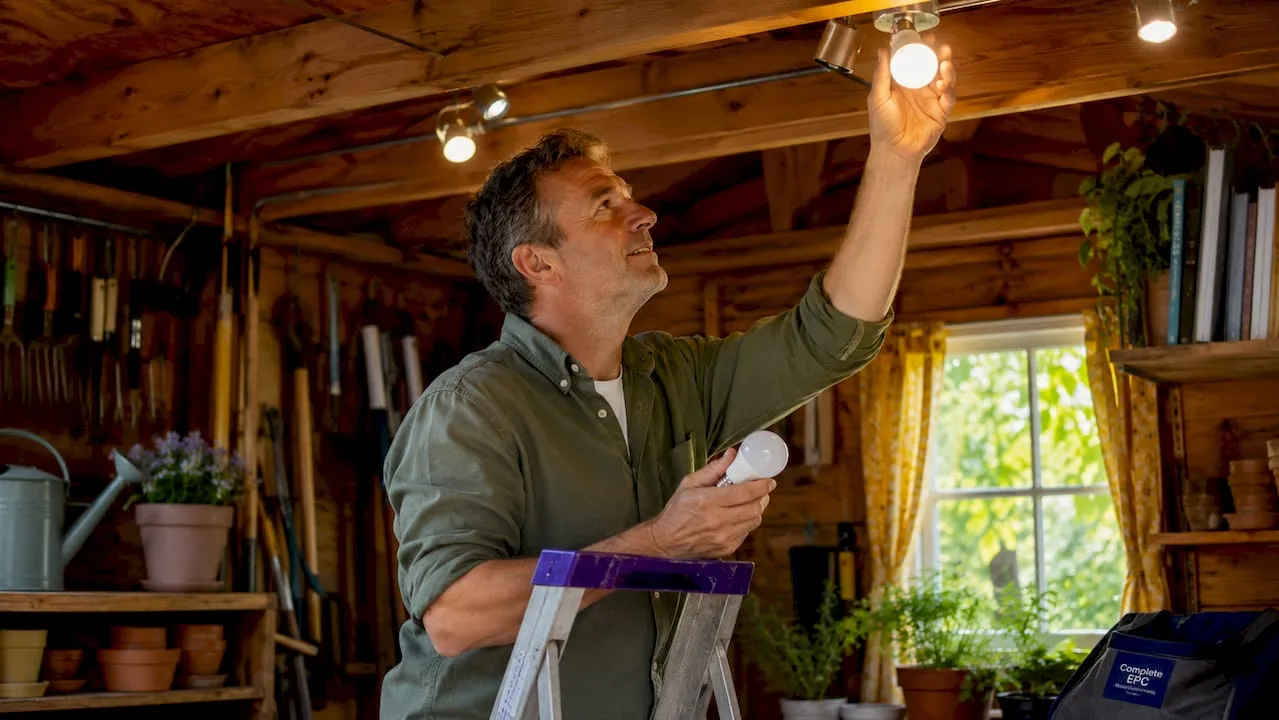
LED lighting is the single fastest upgrade you can make to reduce electricity use. LEDs use 80–90% less energy than incandescent bulbs and last significantly longer, which also cuts replacement costs.
A typical household saves around £50 per year by switching entirely to LEDs. The upfront cost of LED bulbs has fallen sharply, meaning the payback period is now measured in months, not years.
- Replace bulbs in the rooms you use most first: kitchen, living room, bathroom
- Choose bulbs with a colour temperature of 2700K–3000K for warm, natural light
- Look for the Energy Saving Trust logo when buying bulbs
Pro Tip: Do not wait for bulbs to blow before replacing them. Swap incandescent bulbs for LEDs now and start saving immediately.
3. Draught-proof your home before anything else
A typical home loses 35% of heat through walls and 25% through the roof without insulation. That heat loss forces your heating system to work harder, which drives up electricity consumption directly.
Draught-proofing costs £50–£200 and saves £60–£100 per year on heating electricity demand. It is the most cost-effective first step before committing to any more expensive heating system upgrade.
Key areas to address:
- Seal gaps around window frames and door frames with self-adhesive foam strips
- Fit brush or hinged flap draught excluders to external doors
- Block unused chimneys with a chimney balloon
- Seal gaps around pipes and cables where they enter the building
Loft insulation saves £180–£200 annually for homes with electrified heating. Government schemes, including the Great British Insulation Scheme, can fund insulation upgrades for eligible households, so check your eligibility before paying full price.
| Measure | Typical cost | Annual saving |
|---|---|---|
| Draught-proofing | £50–£200 | £60–£100 |
| Loft insulation | £300–£600 | £180–£200 |
4. Use a smart thermostat and heating controls
Smart thermostats and programmable timers cut heating electricity bills by £75–£150 annually. They do this by heating your home only when you need it, rather than running on a fixed schedule that ignores whether you are in or out.
The key is to avoid heating rooms you are not using. Zone controls let you set different temperatures for different rooms, which prevents wasted electricity in spare bedrooms or hallways.
- Set your thermostat to 18–21°C rather than 24°C or above
- Programme heating to come on 30 minutes before you wake, not through the night
- Use the “away” mode on smart thermostats when leaving for more than a few hours
Pro Tip: Reducing your thermostat by just 1°C can cut your heating bill noticeably over a full year. Start there before investing in new equipment.
5. Engage actively with your smart meter data
Smart meters are monitoring tools. They save nothing on their own. Households that actively use smart meter data to shift high-load activities to off-peak hours save an average of £150 per year.
Off-peak tariffs, such as those offered under Economy 7 or Octopus Energy’s Agile tariff, charge significantly less per unit of electricity during overnight hours. Running your dishwasher, washing machine, or storage heaters during these windows cuts your bill without reducing comfort.
Check your in-home display daily for the first month. You will quickly identify which appliances are the biggest consumers and when your usage peaks.
6. Wash clothes at lower temperatures
Washing clothes at 30°C instead of higher temperatures saves up to £40 per year in electricity. Modern detergents are formulated to clean effectively at lower temperatures, so the lower setting does not compromise results.
Air drying laundry instead of using a tumble dryer saves around £70 annually. A tumble dryer is one of the most electricity-hungry appliances in the home, and replacing its use with a drying rack or outdoor line costs nothing.
- Wash full loads rather than half loads to maximise efficiency per cycle
- Use the eco mode on your washing machine where available
- Spin clothes at a higher speed before drying to reduce drying time
7. Take shorter showers and reduce hot water use
Shorter showers and swapping baths for showers saves £20–£35 annually by reducing the electricity used to heat water. For homes with an electric water heater or immersion heater, this saving is direct and immediate.
Fitting an aerated showerhead reduces water flow without reducing pressure. You use less hot water per shower without noticing the difference. Insulating your hot water cylinder and pipes also prevents heat loss between the boiler and the tap.
8. Only boil the water you need
Overfilling the kettle is one of the most common and overlooked sources of wasted electricity at home. Boiling a full kettle for one cup of tea uses three to four times the electricity needed. Measure the water you need before boiling.
The same principle applies to cooking. Using a microwave or air fryer for small meals uses considerably less electricity than a full electric oven. Matching the appliance to the task is a straightforward way to cut consumption without changing what you eat.
9. Upgrade to energy-efficient appliances when replacing
When an appliance reaches the end of its life, replace it with an A-rated model. The EU energy label, still used in the UK, rates appliances from A to G. An A-rated fridge freezer uses significantly less electricity than a D or E-rated equivalent running continuously for years.
Energy-efficient appliances alone are insufficient if behaviour does not change alongside them. Buying a new A-rated washing machine and still running it at 60°C with half loads will not deliver the savings the rating promises. Combine the upgrade with the habits described in the sections above.
10. Review your energy tariff and switch if necessary
Paying the wrong tariff is a direct and avoidable cost. Many households remain on a supplier’s standard variable tariff long after better deals become available. Comparing tariffs through Ofgem-registered comparison services takes under ten minutes and can reduce your unit rate immediately.
For households with solar panels or battery storage, export tariffs matter as much as import tariffs. Choosing a tariff that pays a fair rate for electricity you export to the grid turns your home into a partial income source. Reviewing your tariff annually is one of the highest-value home energy saving tips you can act on without spending a penny.
Key takeaways
Combining behavioural habits with targeted upgrades is the most reliable way to reduce electricity bills by £300–£500 annually in a UK home.
| Point | Details |
|---|---|
| Standby power costs real money | Switching off appliances at the wall saves £65–£147 per year. |
| LEDs pay back within months | Switching to LED bulbs cuts lighting electricity use by 80–90%. |
| Draught-proof before upgrading | Sealing gaps saves £60–£100 annually at a fraction of the cost of new heating systems. |
| Smart meters need active use | Engaging with usage data and shifting to off-peak hours saves around £150 per year. |
| Behaviour matters as much as equipment | Washing at 30°C and air drying laundry saves over £100 per year combined. |
What I have learned after years in energy assessment
The most common mistake I see is homeowners investing in expensive upgrades before addressing the basics. A new heat pump fitted into a draughty, poorly insulated home will never perform as well as the manufacturer’s figures suggest. The building envelope must come first.
The second mistake is treating a smart meter as a solution rather than a tool. I have spoken with households who had smart meters installed two years prior and had never once looked at the in-home display. The device does nothing on its own. The savings come from what you do with the information it provides.
What actually works is incremental. Fix the draughts. Switch to LEDs. Change the washing temperature. Each step is small, but the combined effect over a full year is substantial. The households I see making the most progress are not the ones who spent the most. They are the ones who reviewed their habits, made a few targeted changes, and then checked back on their usage data regularly to see the results.
The energy performance data in your home tells a clear story if you know how to read it. Start there.
— Danny
How an EPC can guide your next energy saving step
A Domestic Energy Performance Certificate gives you a clear, independent picture of where your home loses energy and which improvements will deliver the greatest return. Rather than guessing which upgrade to prioritise, an EPC assessment identifies the specific measures suited to your property, from insulation to heating controls. Completeepc provides domestic EPC assessments across London, carried out by qualified assessors with extensive industry experience. The certificate also supports planning for future upgrades and demonstrates energy efficiency to prospective buyers or letting agents. If you want a structured starting point for improving your home’s energy performance, an EPC is the logical first step.
FAQ
How much can I save by switching off standby appliances?
Switching off appliances at the wall instead of leaving them on standby saves £65–£147 per year. The exact saving depends on how many devices you have and how long they are left on standby.
Do LED bulbs really make a significant difference to electricity bills?
Yes. LED bulbs use 80–90% less electricity than incandescent bulbs and save around £50 per year for a typical household. The payback period on the cost of the bulbs is usually under a year.
What is phantom load?
Phantom load is the electricity consumed by appliances that are switched off but still plugged in or left on standby. Common sources include TVs, games consoles, and phone chargers.
Does a smart meter automatically reduce my electricity bill?
No. A smart meter monitors usage but does not reduce it on its own. Households that actively use smart meter data to shift usage to off-peak hours save an average of £150 per year.
What is the cheapest first step to reduce heating electricity costs?
Draught-proofing is the most cost-effective first step. It costs £50–£200 and saves £60–£100 per year, making it a faster payback than most heating system upgrades.