

More than eight out of ten buildings in the UK score below the top two bands on energy efficiency ratings. This reality affects not only household running costs but also long-term property value and environmental impact. If you own, rent, or plan to invest in property, understanding energy performance data gives you a clear edge when it comes to making smart, cost-effective choices for your space.
Table of Contents
- What Energy Performance Data Means
- Types Of Energy Performance Data
- How Energy Performance Data Is Generated
- Legal Requirements And Obligations
- Practical Uses And Financial Impacts
Key Takeaways
| Point | Details |
|---|---|
| Importance of EPCs | Energy Performance Certificates (EPCs) are crucial for assessing and communicating a building’s energy efficiency, affecting running costs and environmental impact. |
| Legal Requirements | Property owners must provide an EPC for rental and sales transactions, with strict compliance regulations to avoid penalties. |
| Financial Benefits | Understanding energy performance data can lead to significant cost savings, increased property value, and improved energy efficiency investments. |
| Actionable Improvements | EPCs offer a roadmap for energy efficiency enhancements, highlighting areas for targeted improvements like insulation and systems upgrades. |
What Energy Performance Data Means
Energy Performance Data represents a comprehensive assessment of a building’s energy efficiency, providing property owners and potential occupants with critical insights into how effectively a structure uses and conserves energy. According to the Office for National Statistics, these assessments offer a standardised method for understanding a property’s environmental impact and potential running costs.
Energy Performance Certificates (EPCs) are the primary mechanism for capturing and communicating this data. These certificates use a rating system ranging from A (most efficient) to G (least efficient), offering a clear, visual representation of a building’s energy performance. The assessment considers multiple factors, including:
- Insulation quality
- Heating systems
- Windows and doors
- Hot water efficiency
- Lighting systems
- Potential carbon dioxide emissions
Interestingly, Government statistics reveal that most properties in the UK fall within the middle-range efficiency bands, with median scores indicating significant room for improvement. For property owners, understanding these ratings is more than an academic exercise – it directly translates to potential energy savings, reduced carbon footprint, and potentially increased property value.
The real power of energy performance data lies in its actionable nature. By highlighting specific areas of energy inefficiency, property owners can make targeted improvements. Whether it’s upgrading insulation, replacing outdated heating systems, or implementing more energy-efficient lighting, these certificates provide a roadmap for enhancing a building’s overall energy performance. For those looking to dive deeper into understanding these efficiency metrics, check out our guide to energy efficiency metrics.
Types Of Energy Performance Data
Energy performance data encompasses a range of comprehensive assessments designed to evaluate and communicate the energy efficiency of buildings. The Energy Performance of Buildings Data platform highlights several key types of energy performance documentation that provide critical insights for property owners, managers, and potential buyers.
Primary Types of Energy Performance Documentation include:
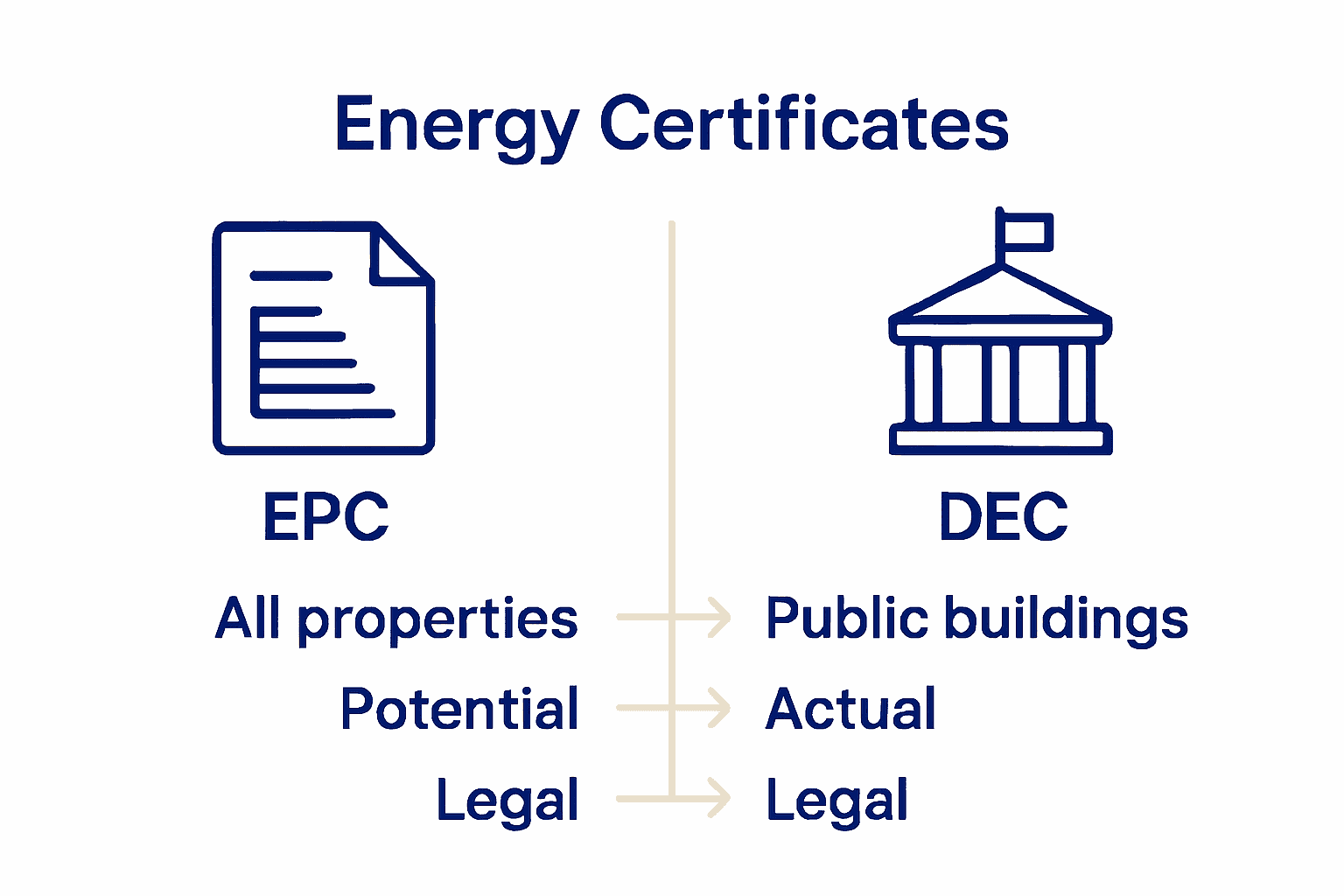
- Energy Performance Certificates (EPCs): These are the most common type of energy performance data, providing a comprehensive assessment of a building’s energy efficiency. They range from A (most efficient) to G (least efficient).
- Display Energy Certificates (DECs): Typically used for public buildings, these certificates show the actual energy consumption of a building.
- Energy Performance Ratings: Numerical and graphical representations of a building’s energy efficiency
- Carbon Emission Calculations: Detailed assessments of a property’s potential carbon dioxide emissions
Government data reveals that these certificates play a crucial role in understanding the broader landscape of building energy efficiency. The data tracks not just individual property performance, but also provides aggregate insights into energy efficiency trends across different types of buildings.
For property owners and managers, understanding these different types of energy performance data is more than an academic exercise. Each type of documentation offers unique insights – from potential energy savings to environmental impact.
 If you’re looking to dig deeper into the nuances of energy certificates, our guide comparing EPC and DEC certificates provides a comprehensive breakdown of these essential documents.
How Energy Performance Data Is Generated
The generation of energy performance data is a meticulous process involving trained professionals who conduct comprehensive property assessments. Shelter England explains that accredited energy assessors play a crucial role in evaluating a building’s energy efficiency through detailed on-site inspections and sophisticated analytical techniques.
The assessment process involves a systematic examination of multiple critical factors:
- Building construction materials
- Insulation quality and type
- Heating and cooling systems
- Windows and door specifications
- Hot water systems
- Lighting infrastructure
- Potential energy conservation opportunities
Key Steps in Energy Performance Data Generation:
- Initial property survey and measurements
- Detailed documentation of building characteristics
- Technical analysis of energy consumption potential
- Calculation of energy efficiency ratings
- Preparation of comprehensive performance report
Government regulations emphasize the importance of maintaining strict standards during this process. Assessors must be professionally accredited and follow rigorous methodological guidelines to ensure accuracy and reliability of the generated data.
For property owners seeking a deeper understanding of the technical nuances involved in energy performance assessments, our guide to SAP calculations provides an in-depth exploration of the computational methods used in generating these critical performance insights.
Legal Requirements And Obligations
Energy performance documentation is not just a matter of environmental consciousness, but a critical legal requirement for property owners across the United Kingdom. Shelter England clarifies that landlords and property sellers must provide an Energy Performance Certificate (EPC) when renting or selling a property, ensuring transparency about the building’s energy efficiency.
Key Legal Obligations for Property Owners:
- Mandatory EPC provision for all rental and sales transactions
- Certificate must be issued by an accredited energy assessor
- EPC validity period of 10 years
- Minimum energy efficiency standards for rentable properties
- Potential financial penalties for non-compliance
The legal landscape surrounding energy performance is complex and continuously evolving. Penalties for non-compliance can be substantial, ranging from fixed monetary fines to potential restrictions on renting or selling properties with poor energy ratings.
Scottish Government regulations further emphasize the importance of data protection, mandating that EPCs must not contain personal identifying information beyond the assessor’s details. For property owners seeking to navigate these intricate legal requirements, our guide to effective energy statements offers comprehensive insights into meeting legal obligations while protecting sensitive information.
Practical Uses And Financial Impacts
Energy Performance Certificates (EPCs) are far more than just bureaucratic paperwork – they represent a strategic financial tool for property owners and occupants. Energy UK highlights that these certificates are instrumental in identifying concrete opportunities for improving a property’s energy efficiency, directly translating to reduced energy bills and enhanced living comfort.
Key Financial Benefits of Understanding Energy Performance Data:
- Potential energy bill reductions of 20-40%
- Increased property market value
- Lower carbon emission costs
- Targeted investment in energy improvements
- Reduced long-term maintenance expenses
The financial implications extend beyond immediate savings. Properties with higher energy efficiency ratings typically command premium prices in the real estate market, making EPCs a valuable asset for property owners looking to maximize their investment potential.
Energy Trust notes recent regulatory changes in 2024 have made EPC data more accessible, enabling building owners and landlords to make more informed decisions about energy efficiency improvements. For property owners seeking to understand how to leverage these insights, our guide to EPC rating scales provides comprehensive strategies for interpreting and acting on energy performance data.
Unlock the Full Potential of Your Property with Expert Energy Performance Solutions
Understanding the complexities of energy performance data can feel overwhelming for property owners and landlords aiming to meet legal requirements and maximise energy savings. From navigating the nuances of Energy Performance Certificates (EPCs) to comprehending your building’s efficiency rating and how it impacts carbon emissions, the challenges are real and urgent. With rising energy costs and stricter regulations, taking action now is essential to avoid penalties and boost your property’s value.
Complete EPC is here to help you transform these challenges into opportunities. Our team of qualified assessors offers precise and reliable EPC assessments tailored for domestic and commercial properties across London. We provide clear, actionable reports that not only ensure compliance but highlight practical steps for improving energy efficiency and reducing long-term costs. By choosing our competitively priced services, you secure peace of mind knowing your property meets all legal obligations without unnecessary delays or expenses.
Ready to take control of your property’s energy future? Explore our full range of services at Complete EPC and gain expert guidance with detailed insights such as SAP calculations. Discover how our expertise can simplify your journey towards enhanced performance by visiting Complete EPC today and book your professional assessment to comply, save, and increase your property’s market appeal.
Frequently Asked Questions
What is Energy Performance Data?
Energy Performance Data assesses a building’s energy efficiency and its environmental impact, providing insights into energy conservation and potential running costs.
What are Energy Performance Certificates (EPCs)?
EPCs are documents that rate a building’s energy efficiency on a scale from A (most efficient) to G (least efficient), taking into account factors like insulation and heating systems.
How is Energy Performance Data generated?
Energy Performance Data is generated through assessments by accredited energy assessors who evaluate various factors, including building materials, insulation, and energy systems, to provide a comprehensive performance report.
What are the legal requirements for Energy Performance Certificates?
Landlords and property sellers must provide an EPC when renting or selling a property. The certificate must be issued by an accredited assessor and is valid for 10 years, with penalties for non-compliance.
Recommended
- Complete Guide to Energy Efficiency Metrics – Complete EPC
- Complete Guide to EPC Rating Scales UK – Complete EPC
- Decoding Energy Performance Certificates in London: A Complete Guide – Complete EPC
- London’s Ultimate Guide to Energy Performance Certificates: Enhance Your Property’s Efficiency – Complete EPC
- Understanding Energy Efficient Air Conditioners – HVAC Service and Repair | Louisville, KY | Project Heating & Cooling
- 7 Essential Steps for Simple Home Energy Audits – HVAC Service and Repair | Louisville, KY | Project Heating & Cooling