
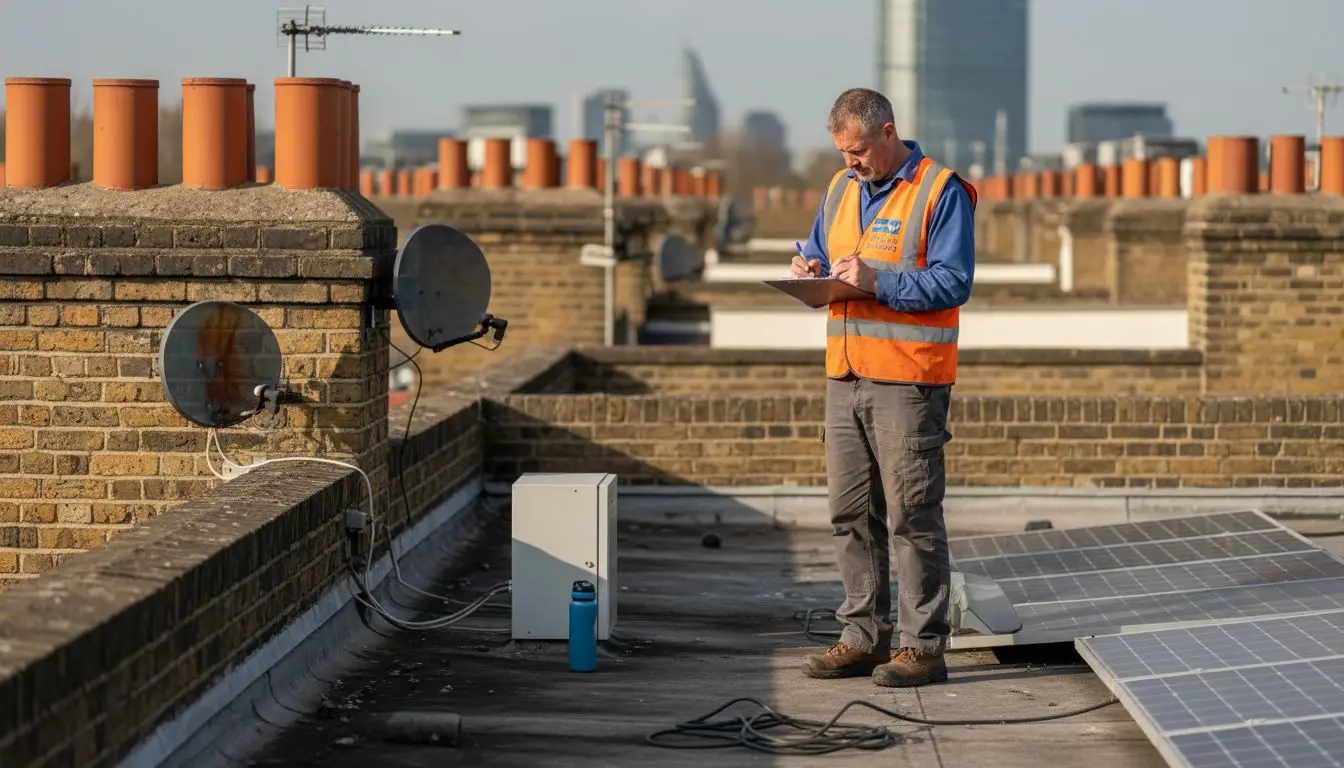
Property owners across Greater London are facing growing pressure to meet new energy standards and future-proof their investments. With strict Energy Performance Certificate regulations on the horizon, understanding low carbon technologies has become essential. Adopting advanced solutions like heat pumps, which can reduce household emissions by around 70 percent, offers practical ways to cut costs, raise property values, and stay compliant with legal requirements while supporting the United Kingdom’s net zero ambitions.
Table of Contents
- Low Carbon Technologies Defined for UK Properties
- Main Types of Low Carbon Solutions in Buildings
- How Low Carbon Tech Improves EPC Ratings
- UK Legal Requirements and 2026 EPC Reforms
- Financial Implications and Landlord Responsibilities
Key Takeaways
| Point | Details |
|---|---|
| Emphasis on Low Carbon Technologies | Low carbon technologies are vital for the UK to meet its net zero target by 2050. They significantly reduce carbon emissions and improve energy efficiency in buildings. |
| Mandatory EPC Standards by 2026 | New regulations will require a minimum EPC rating of ‘C’ for rental properties by 2026. Landlords must prepare for upgraded energy efficiency standards and associated costs. |
| Economic Advantages of Green Upgrades | Investing in low carbon technologies can enhance property value and reduce long-term energy costs. Property owners can access financial benefits through green financing options. |
| Proactive Compliance Strategy Needed | Landlords should develop multi-year upgrade strategies to meet upcoming regulations. This approach can help spread costs and ensure timely compliance with energy efficiency standards. |
Low Carbon Technologies Defined for UK Properties
Low carbon technologies represent advanced systems designed to reduce carbon emissions across residential and commercial properties in the United Kingdom. These innovative solutions are crucial for achieving the UK’s ambitious net zero target by 2050, focusing on transforming how buildings generate, consume, and manage energy. Low carbon technologies in UK homes encompass a range of sophisticated systems that significantly decrease reliance on fossil fuels while enhancing overall energy efficiency.
The primary categories of low carbon technologies include:
- Heat Pumps: Advanced systems extracting thermal energy from air or ground
- Solar Photovoltaic Systems: Renewable electricity generation technologies
- Electric Vehicle Charging Points: Infrastructure supporting sustainable transportation
- Biomass Heating: Renewable energy systems using organic materials
- Combined Heat and Power (CHP): Integrated energy generation technologies
These technologies work by minimising carbon emissions through highly efficient processes. For instance, heat pumps can reduce household carbon emissions by approximately 70%, representing a significant breakthrough in residential energy management. Heat recovery systems further complement these efforts by capturing and reusing energy that would typically be lost during standard building operations.
Understanding the strategic implementation of low carbon technologies requires recognising their multifaceted benefits. Beyond reducing carbon footprints, these innovations provide substantial long-term economic advantages, including reduced energy costs, increased property values, and enhanced sustainability credentials. Property owners in London and across the UK can leverage these technologies to not only comply with emerging energy efficiency regulations but also contribute meaningfully to national decarbonisation objectives.

Here’s a summary of how key low carbon technologies impact UK property benefits:
| Technology Type | Main Benefit | Typical Carbon Reduction | Additional Advantage |
|---|---|---|---|
| Heat Pumps | Lower heating emissions | Up to 70% | Consistent indoor comfort |
| Solar PV Systems | Renewable electricity | Significant | Reduces electricity bills |
| Biomass Heating | Uses organic fuels | Moderate | Utilises waste resources |
| EV Charging Points | Supports clean transport | Variable | Modernises property use |
| Combined Heat & Power | Efficient energy generation | High | Contributes to grid supply |
Pro tip: Consider conducting a comprehensive energy assessment to identify the most suitable low carbon technologies for your specific property type and energy consumption profile.
Main Types of Low Carbon Solutions in Buildings
Low carbon solutions in buildings represent sophisticated strategies designed to reduce carbon emissions and enhance energy efficiency across residential and commercial properties. Low carbon heating technologies provide innovative approaches to minimising environmental impact while maintaining optimal indoor comfort and performance. These solutions focus on transforming traditional building systems through integrated, sustainable design principles.
The primary categories of low carbon solutions include:
-
Thermal Envelope Improvements
- Enhanced building insulation
- Airtightness modifications
- Advanced window and door installations
-
Heating and Cooling Systems
- Air source heat pumps
- Ground source heat pumps
- Hybrid heating systems
- Electric resistive heating
-
Renewable Energy Generation
- Solar photovoltaic panels
- Biomass boilers
- Integrated energy storage systems
Each technology plays a crucial role in reducing operational carbon emissions. District heating networks offer particularly promising solutions for urban environments, enabling collective energy management and significantly reducing individual building carbon footprints. These systems not only contribute to national decarbonisation objectives but also provide long-term economic benefits through reduced energy consumption and enhanced property values.
Implementing low carbon solutions requires a holistic approach, considering building typology, local climate conditions, and specific energy requirements. Property owners must conduct comprehensive energy assessments to identify the most appropriate technologies for their specific contexts. By strategically selecting and integrating these solutions, buildings can achieve substantial reductions in carbon emissions while maintaining high levels of comfort and functionality.
Pro tip: Prioritise a whole-building approach when implementing low carbon solutions, considering how different technologies can work synergistically to maximise energy efficiency and reduce carbon emissions.
How Low Carbon Tech Improves EPC Ratings
Low carbon technologies play a pivotal role in enhancing Energy Performance Certificate (EPC) ratings by systematically reducing a building’s carbon emissions and improving overall energy efficiency. Updated EPC metrics now incorporate sophisticated measurements that directly reflect the impact of technological interventions on a property’s environmental performance.
The key mechanisms by which low carbon technologies boost EPC ratings include:
-
Reducing Energy Consumption
- Minimising fossil fuel dependence
- Lowering total energy demand
- Implementing high-efficiency systems
-
Enhancing Thermal Performance
- Improving building insulation
- Reducing heat loss
- Optimising temperature control
-
Generating Renewable Energy
- Installing solar photovoltaic systems
- Implementing heat pump technologies
- Integrating energy storage solutions
Each technological intervention contributes to improving a property’s EPC rating by demonstrating measurable reductions in carbon emissions and energy costs. Renewable energy systems can potentially move properties into higher EPC bands, reflecting superior thermal performance and lower operational expenses. These improvements directly support the government’s ambitious net zero carbon objectives while providing tangible benefits to property owners.
Property owners in London should recognise that strategic implementation of low carbon technologies is not merely an environmental consideration but a significant financial investment. By carefully selecting and integrating appropriate technologies, buildings can achieve substantial improvements in their EPC ratings, potentially increasing property values and reducing long-term energy expenditure.
Pro tip: Conduct a comprehensive energy assessment before implementing low carbon technologies to identify the most effective interventions for your specific property’s EPC rating improvement.
UK Legal Requirements and 2026 EPC Reforms
The United Kingdom is implementing comprehensive reforms to the Energy Performance Certificate (EPC) regime, signalling a significant shift in how building energy efficiency will be regulated and monitored. EPC regime reforms represent a critical strategy towards achieving national net zero carbon commitments, with substantial changes set to impact landlords, homeowners, and property managers across England and Wales.
Key legal requirements and reforms expected by 2026 include:
-
Certificate Validity and Assessment
- Shorter certificate validity periods
- More frequent energy performance assessments
- Mandatory ongoing EPC validity during tenancies
-
Minimum Performance Standards
- Minimum EPC rating of ‘C’ for privately rented properties
- £10,000 maximum investment cap for property upgrades
- Stricter enforcement mechanisms
-
Expanded Performance Metrics
- Fabric performance evaluation
- Heating system efficiency assessment
- Smart technology readiness scoring
- Comprehensive energy cost calculations
New EPC legal requirements introduce a multi-metric approach that goes beyond traditional energy ratings. These reforms aim to provide more transparent and actionable insights into a property’s energy performance, compelling property owners to invest in low carbon technologies and energy-efficient improvements.
Property owners and landlords must proactively prepare for these upcoming regulatory changes. The reforms not only mandate improved energy performance but also create financial incentives for early adopters of low carbon technologies. By understanding and implementing these requirements ahead of the 2026 deadline, property stakeholders can potentially increase property values, reduce long-term energy costs, and contribute to the UK’s broader environmental sustainability objectives.
Pro tip: Start planning your property’s energy efficiency upgrades now, prioritising interventions that will help you meet the upcoming ‘C’ rating requirement while staying within the £10,000 investment cap.
Financial Implications and Landlord Responsibilities
Landlords across the United Kingdom face significant financial and regulatory challenges as new energy efficiency standards transform property management expectations. Landlord compliance requirements are becoming increasingly stringent, compelling property owners to invest strategically in low carbon technologies and energy efficiency improvements.
Key financial considerations for landlords include:
-
Upgrade Costs
- Average property upgrade expenses: £6,000 to £8,000
- Government-imposed £10,000 maximum investment cap
- Potential incremental investment strategies
-
Compliance Penalties
- Potential fines for non-compliance
- Risk of property rental restrictions
- Mandatory minimum EPC rating of ‘C’
-
Long-term Financial Benefits
- Increased property market value
- Reduced energy operational costs
- Enhanced tenant attractiveness
- Potential access to green financing options
Stricter EPC regulations introduce complex operational challenges for property owners. These regulations require not just financial investment but also a strategic approach to property management, compelling landlords to carefully plan upgrades that balance cost-effectiveness with regulatory compliance.
The table below compares requirements for landlords under upcoming EPC reforms:
| Requirement | 2023 Rules | 2026 Reforms | Financial Impact |
|---|---|---|---|
| Minimum EPC Rating | ‘E’ for rentals | ‘C’ for rentals | Up to £10,000 upgrade cap |
| Certificate Validity | 10 years | Shortened period | More frequent reassessments |
| Compliance Penalties | Lower, less enforced | Higher, stricter fines | Increased risk of rental ban |
| Performance Metrics | Basic energy rating only | Multi-metric assessment | Must upgrade insulation, heating |
Landlords must proactively navigate these evolving requirements by developing comprehensive energy efficiency strategies. This involves conducting detailed property assessments, prioritising cost-effective upgrades, and understanding the nuanced financial implications of each intervention. By adopting a forward-thinking approach, property owners can transform regulatory challenges into opportunities for portfolio enhancement and sustainable investment.
Pro tip: Develop a multi-year upgrade strategy that phases investments to spread costs while progressively improving your property’s energy performance.
Enhance Your EPC Rating with Expert Low Carbon Technology Support
Navigating the complex landscape of low carbon technologies and upcoming EPC reforms can feel overwhelming for property owners and landlords in London. The challenge to meet the new minimum ‘C’ EPC rating by 2026 while staying within strict investment caps highlights the importance of strategic planning and accurate energy assessments. Understanding the detailed impact of heat pumps, solar PV systems, and improved insulation on your property’s energy performance is essential to reduce carbon emissions and boost value.
At Complete EPC, we specialise in helping you make this transition easier. Our professional consultancy provides thorough EPC evaluations and tailored improvement recommendations to ensure your property complies with the latest legal requirements. Whether you need an assessment for a domestic or commercial building, our qualified assessors deliver precise reports to guide cost-effective upgrades that enhance sustainability and save on energy costs.
Act now to secure your property’s future – get a comprehensive energy performance certificate and expert advice today at Complete EPC. Take the first step towards compliance and long-term savings by visiting our site or contacting us for your personalised EPC service.
Frequently Asked Questions
How do low carbon technologies improve EPC ratings?
Low carbon technologies enhance EPC ratings by significantly reducing energy consumption, improving thermal performance, and generating renewable energy, which leads to lower carbon emissions and reduced operational costs.
What are the main types of low carbon technologies used in buildings?
The primary types of low carbon technologies include heat pumps, solar photovoltaic systems, biomass heating, electric vehicle charging points, and combined heat and power (CHP) systems.
What financial implications do landlords face when implementing low carbon technologies?
Landlords may incur upgrade costs averaging between £6,000 to £8,000, but they must also comply with new regulations that impose a maximum investment cap of £10,000 for property upgrades, alongside potential fines for non-compliance.
What are the upcoming legal requirements for EPC ratings by 2026?
By 2026, properties must achieve a minimum EPC rating of ‘C’ for rentals, with shorter certificate validity periods and stricter compliance penalties for non-compliance, requiring landlords to invest in energy efficiency improvements.
Recommended
- Energy Saving Technologies: Reducing Costs in London
- Why Improve Energy Ratings: Benefits for London Properties
- EPC Essentials: How London Property Owners Can Improve Their Ratings – Complete EPC
- Achieving a Higher Energy Rating: EPC Insights for London Residents – Complete EPC
- 7 Vorteile der Elektromobilität auf der Baustelle verstehen – Elektrotechnik Ernst