
TL;DR:
- Improving property energy efficiency in the UK primarily involves insulation, upgrading heating controls, and behavioral adjustments to meet strict EPC requirements by 2030. Cost-effective upgrades like loft and cavity wall insulation provide significant savings and rapid payback, while audits help prioritize impactful measures, including simple zero-cost tweaks. Regulatory schemes, grants, and a fabric-first approach support landlords and homeowners in achieving compliance and reducing environmental impact efficiently.
Property energy efficiency tips are practical measures and upgrades that reduce energy waste, lower bills, and cut the environmental impact of your home or rental property. For landlords and homeowners across the UK, improving energy performance is no longer optional. New regulations require rental properties to meet a minimum EPC C rating by October 2030, making it critical to act now. Whether you own a Victorian terrace or a modern flat, the right combination of insulation, heating controls, and behavioural changes can deliver significant savings and compliance in one move.

1. The most cost-effective property energy efficiency upgrades
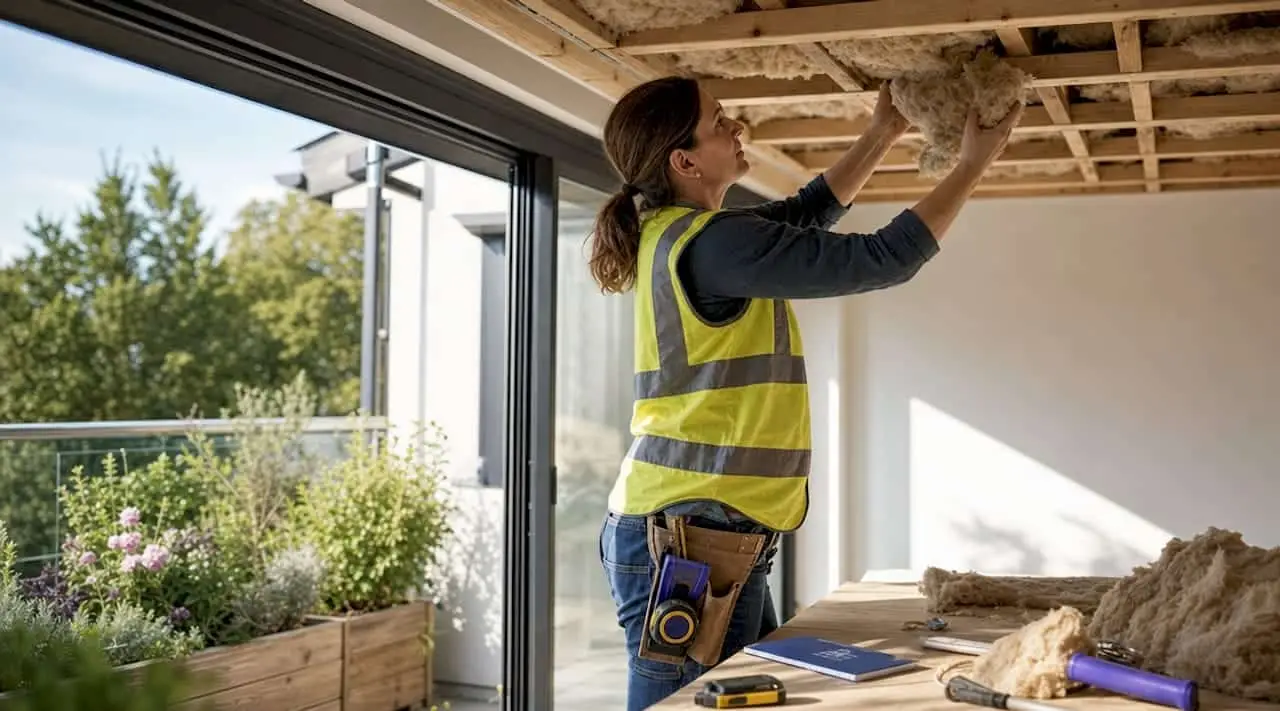
The single highest-return upgrade for most UK properties is loft insulation. Topping up to 270mm costs between £300 and £600 and saves £150 to £300 annually, with payback in under three years. That makes it the fastest route to a better EPC rating and lower bills simultaneously.
Cavity wall insulation is the second most impactful structural upgrade, particularly for properties built between 1930 and 1990. Homes in that era almost always have unfilled cavities, and filling them can reduce heating demand noticeably. Draught-proofing and insulation together can cut heating and cooling energy use by up to 20%, at a combined cost of £200 to £400.
Heating controls are often underestimated. Smart thermostats like Nest or Hive, along with thermostatic radiator valves, cost under £300 and add 1 to 3 SAP points to your EPC rating. That modest investment can push a D-rated property closer to a C without any structural work.
For those considering larger investments, solar photovoltaic panels cost £5,000 to £8,000 in 2026 but add 10 to 15 SAP points and reduce electricity bills substantially. The Smart Export Guarantee also allows you to sell surplus electricity back to the grid, improving the long-term return.
| Upgrade | Typical cost | SAP points added | Payback period |
|---|---|---|---|
| Loft insulation (270mm) | £300–£600 | 3–8 | Under 3 years |
| Cavity wall insulation | £400–£800 | 4–10 | 3–5 years |
| Smart thermostat and TRVs | Under £300 | 1–3 | 2–4 years |
| Boiler upgrade | £2,000–£4,000 | 3–7 | 5–8 years |
| Heat pump | £8,000–£15,000 | 10–20 | 8–12 years |
| Solar PV panels | £5,000–£8,000 | 10–15 | 7–10 years |
Pro Tip: Properly fitted loft insulation must be even and uncompressed. Pay particular attention to the loft hatch and any exposed pipework, as these are the most common points where heat escapes despite insulation being present elsewhere.
2. How a property energy audit helps you prioritise upgrades
A home energy audit is a structured assessment of your property’s insulation, heating system, appliances, ventilation, and energy usage patterns. A thorough audit can reduce energy costs by up to 30%, making it one of the most cost-effective first steps before committing to any upgrade spending. Commercial audits typically identify savings five to ten times the cost of the audit itself.
You do not need to hire a specialist to carry out a basic audit. Walk through your property and check for draughts around doors, windows, and loft hatches. Look at your EPC report, which already contains a prioritised list of recommended measures with estimated costs and savings. Cross-reference that with your actual energy bills to identify where consumption is highest.
The most useful audits focus on the thermal envelope first. Fabric and thermal envelope checks identify more significant savings than appliance replacement alone, which is a finding that surprises many property owners who assume new appliances are the priority.
A practical property energy audit checklist covers the following areas:
- Loft and roof insulation depth and condition
- Cavity or solid wall insulation status
- Draught-proofing around doors, windows, and letterboxes
- Boiler age, efficiency rating, and flow temperature setting
- Heating controls including thermostats and TRVs
- Hot water cylinder insulation (if applicable)
- Lighting type (LED versus halogen or fluorescent)
- Appliance energy ratings and standby habits
- Window glazing type (single, double, or triple)
- Current EPC rating and recommended measures
Pro Tip: Track your energy use in kilowatt hours rather than pounds. Measuring in kWh removes the distortion caused by tariff changes, giving you a true picture of whether your efficiency improvements are working.
3. Small behavioural changes that improve energy efficiency
Reducing energy bills does not always require capital investment. Lowering your boiler flow temperature is the most overlooked zero-cost adjustment available to homeowners. Reducing boiler flow temperature saves £65 to £100 annually by encouraging the boiler to run longer in condensing mode, which is significantly more efficient. Most combi-boilers are factory-set too high, and a simple dial adjustment is all it takes.
Standby power is a genuine drain. Televisions, games consoles, phone chargers, and desktop computers left on standby collectively waste a meaningful amount of electricity each year. Switching appliances off at the wall, rather than leaving them on standby, is a habit that costs nothing and adds up over twelve months.
Curtain management is another underused tactic. Closing thick curtains at dusk reduces heat loss through windows by creating an insulating air gap. In older properties with single glazing, this can make a noticeable difference to room temperature and heating demand overnight.
Here are the most effective daily habits for reducing energy consumption:
- Lower the boiler flow temperature to 55°C or below if you have a combi-boiler
- Switch appliances off at the wall rather than leaving them on standby
- Replace any remaining halogen or incandescent bulbs with LED alternatives
- Bleed radiators annually to remove air pockets that reduce heating efficiency
- Close curtains and blinds at dusk to retain heat in winter
- Use a programmable or smart thermostat to avoid heating empty rooms
- Take shorter showers and use a shower timer if hot water costs are high
- Wash clothes at 30°C rather than 40°C or 60°C where possible
Switching to monthly direct debits and submitting accurate meter readings also has a financial impact. Monthly direct debits can save around £140 annually compared with quarterly billing, simply due to payment terms and the avoidance of estimated bills. It is one of the simplest tips for energy conservation that requires no physical changes to your property at all.
4. How government regulations and schemes affect landlords and homeowners
The regulatory picture for landlords is clear. UK rental properties must achieve a minimum EPC C rating by 1 October 2030. Properties currently rated D or below will need targeted upgrades to comply, and landlords who fail to act face financial penalties. Planning now gives you time to spread costs and access available grant funding.
The government’s Boiler Upgrade Scheme offers £7,500 towards the cost of an air source heat pump, which adds 10 to 20 SAP points and represents the largest single EPC improvement available. Insulation schemes under the Great British Insulation Scheme and ECO4 provide free or heavily subsidised loft and cavity wall insulation for eligible properties. Landlords with lower-income tenants are often eligible for the most generous support.
There is a spending cap for landlords under the current framework. If you cannot reach EPC C within the cost threshold, an exemption may apply. However, exemptions require formal registration and do not remove the obligation to improve the property as far as the cap allows.
The benefits of compliance extend beyond avoiding penalties:
- Higher EPC ratings support better mortgage rates on buy-to-let products
- Energy-efficient properties attract and retain tenants more reliably
- Improved ratings increase resale value, particularly as buyer awareness grows
- Compliance reduces the risk of void periods caused by tenant dissatisfaction with energy costs
- Proactive upgrades now cost less than reactive compliance under tighter future deadlines
Pro Tip: Plan your upgrades in order of SAP points gained per pound spent. Loft insulation and cavity wall insulation almost always come first. Boiler upgrades and heat pumps follow. Solar PV is the final layer once the fabric is already efficient.
Key takeaways
The most effective approach to improving property energy efficiency combines fabric-first insulation upgrades, heating system optimisation, and targeted behavioural changes, guided by a structured energy audit.
| Point | Details |
|---|---|
| Start with loft insulation | Costs £300 to £600 and saves up to £300 annually, with payback in under three years. |
| Use an energy audit first | A structured audit identifies up to 30% in savings and prevents wasted spending on low-impact upgrades. |
| Adjust boiler flow temperature | A zero-cost setting change saves £65 to £100 per year by maximising condensing efficiency. |
| Plan for EPC C compliance | Landlords must reach EPC C by October 2030; grants of up to £7,500 are available to help fund upgrades. |
| Track usage in kWh | Measuring in kilowatt hours rather than pounds reveals true efficiency gains independent of tariff changes. |
Why the fabric-first approach is the one most people skip
I have reviewed hundreds of EPC reports and spoken with property owners who have spent thousands on new boilers or smart home systems before addressing a single draught or uninsulated loft. The results are almost always disappointing. A new boiler in a poorly insulated house is like running a bath with the plug out. The heat generates, but it escapes just as fast.
The fabric-first principle, which means sealing and insulating the building before upgrading the heating system, is the standard recommended by energy assessors and the Building Research Establishment. Yet it remains the most commonly skipped step, usually because insulation feels unglamorous compared with a new heat pump or solar array.
The other thing I would highlight is the boiler flow temperature adjustment. It is genuinely the most underused zero-cost measure in residential properties. Most boilers leave the factory set at 70°C to 80°C, which prevents them from running in condensing mode. Dropping the flow temperature to 55°C or below takes two minutes and saves real money. I have yet to find a convincing reason why this is not the first thing every homeowner does.
Finally, do not underestimate the value of your EPC report as a planning document. It already contains a prioritised list of improvements with estimated costs and savings. Most people file it away and forget it. Treat it as a working document and revisit it before spending anything on eco-friendly home upgrades.
— Danny
How Completeepc can support your energy efficiency plans
Completeepc provides professional EPC assessments for domestic and commercial properties across London, carried out by qualified assessors with extensive industry experience. An up-to-date EPC is the starting point for any serious plan to improve your property’s energy performance. It tells you exactly where your property sits, which measures will have the greatest impact, and what compliance looks like for your specific building.
If you are a landlord preparing for the 2030 EPC C requirement, or a homeowner planning home efficiency upgrades before a sale or remortgage, Completeepc offers reliable assessments at the UK’s most competitive rates. You can also read Completeepc’s full guide to understanding EPCs to learn how ratings are calculated and what your report means in practice.
FAQ
What is the cheapest way to improve a property’s EPC rating?
Loft insulation is the cheapest and fastest route to a better EPC rating, costing £300 to £600 with payback in under three years. Draught-proofing and adding heating controls such as thermostatic radiator valves are also low-cost options that add SAP points without major disruption.
How often should a property energy audit be carried out?
A home energy audit is worth conducting every five years or after any significant change to the heating system, insulation, or occupancy. Your existing EPC report functions as a basic audit and is updated whenever a new assessment is commissioned.
Do landlords have to improve energy efficiency by law?
Yes. UK rental properties must achieve a minimum EPC C rating by 1 October 2030. Landlords who cannot reach that standard within the permitted spending cap may apply for an exemption, but the obligation to improve the property as far as the cap allows remains in place.
Can lowering the boiler flow temperature really save money?
Lowering the boiler flow temperature to 55°C or below saves £65 to £100 annually at zero cost by allowing the boiler to operate in condensing mode more consistently. It is one of the most effective and most overlooked tips for energy conservation available to homeowners.
What grants are available for energy efficiency improvements in 2026?
The Boiler Upgrade Scheme offers £7,500 towards an air source heat pump. The Great British Insulation Scheme and ECO4 provide free or subsidised insulation for eligible properties. Landlords with lower-income tenants are often eligible for the most generous support under these programmes.