
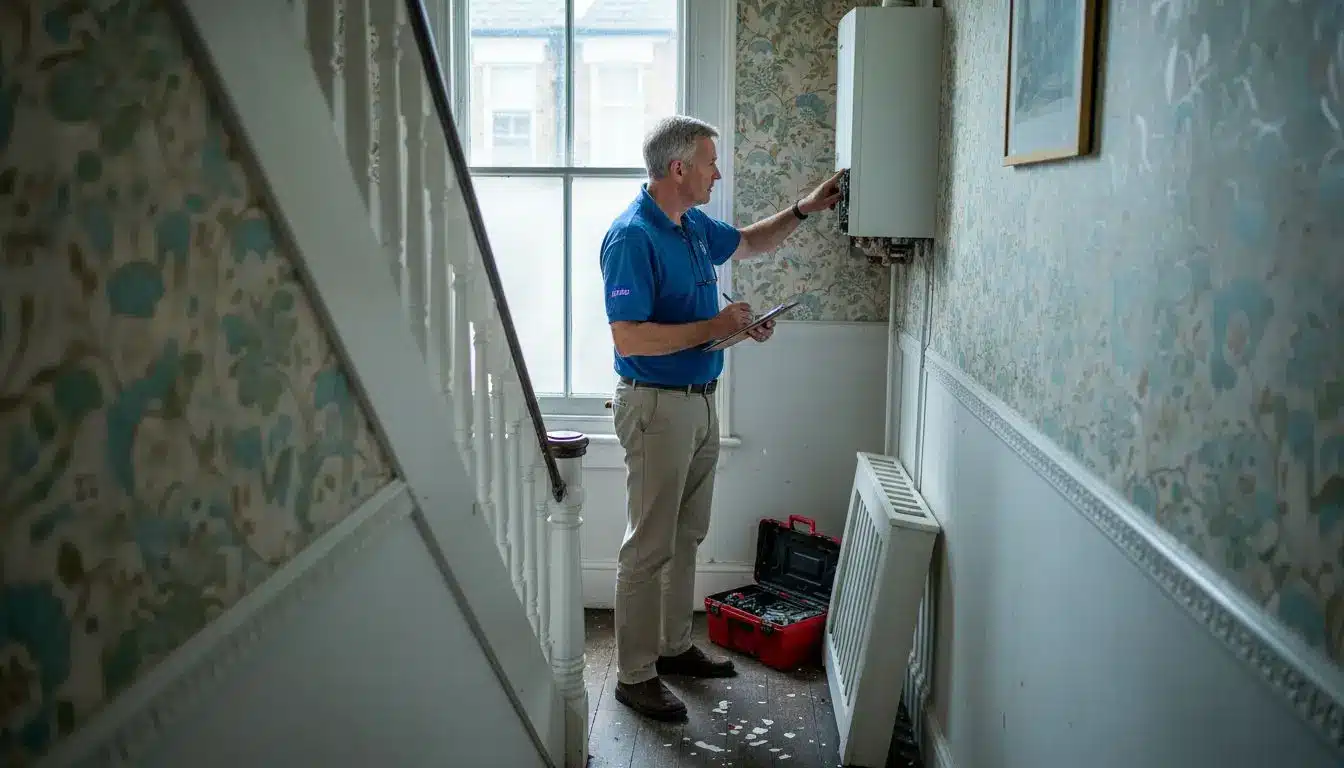
Rising energy bills and stricter efficiency regulations pressure London property owners to act now. Many landlords struggle to navigate complex retrofit requirements while keeping costs under control. This comprehensive guide walks you through proven steps to improve building energy efficiency, reduce expenses up to 25%, and achieve legal compliance with confidence.
Table of Contents
- Prerequisites And Initial Assessment
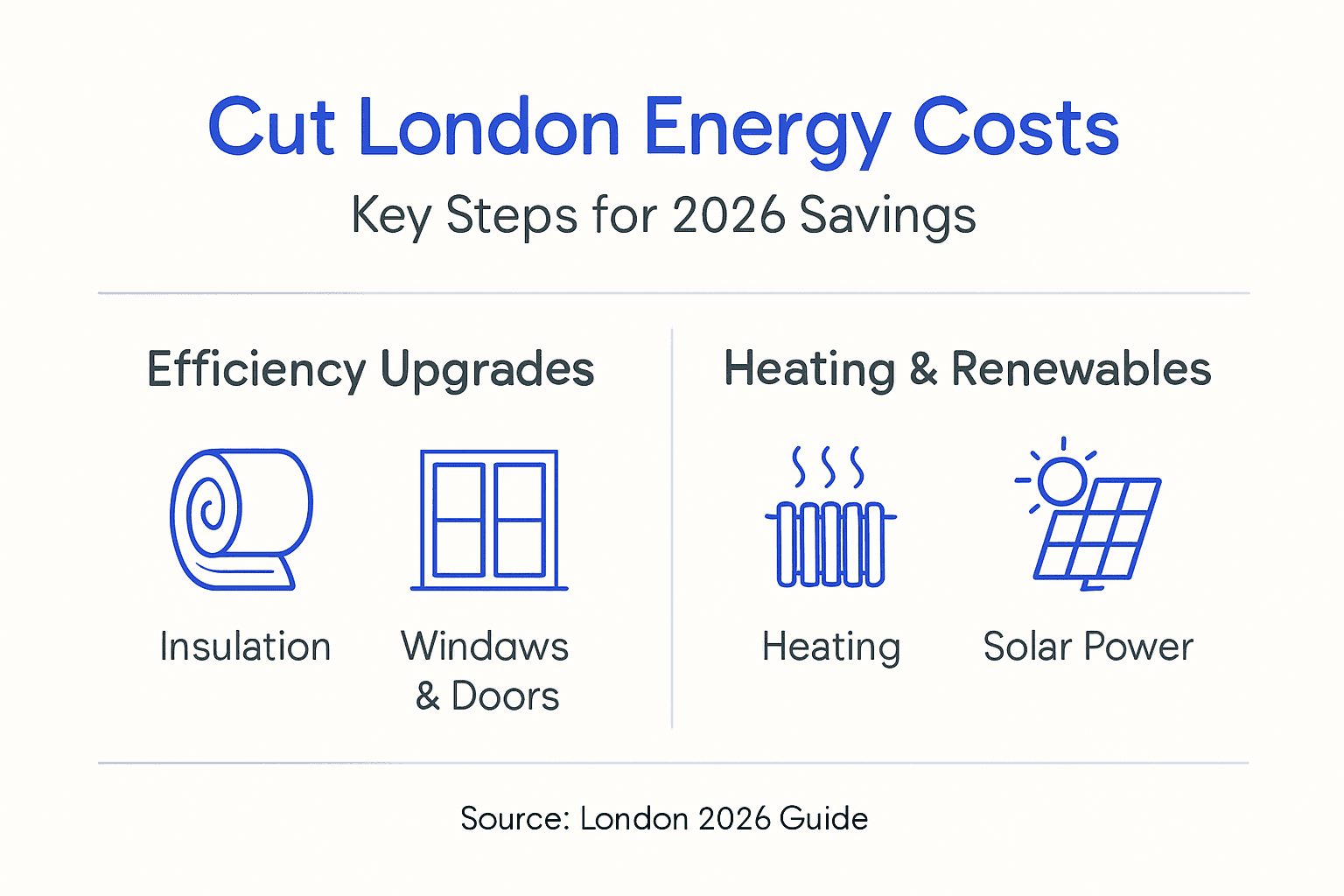
- Step 1: Improve Insulation
- Step 2: Upgrade Windows And Doors
- Step 3: Heating System Upgrades
- Step 4: Renewable Energy Integration
- Common Mistakes And Troubleshooting
- Implementation Timeline And Expected Outcomes
- Discover Expert EPC And Energy Efficiency Services In London
- Frequently Asked Questions
Key Takeaways
| Point | Details |
|---|---|
| EPC assessments benchmark current performance | Mandatory for rental properties, ratings range A to G, identifying specific upgrade opportunities |
| Insulation upgrades deliver immediate savings | Loft and wall insulation can reduce heat loss up to 25%, lowering heating bills significantly |
| Modern heating systems boost efficiency | Condensing boilers achieve 90% efficiency, smart controls cut bills by 15% |
| Solar PV reduces electricity costs | Even in London’s climate, panels can slash electricity expenses by 30 to 40% |
| Retrofit timelines average 3 to 6 months | Combined measures increase property value by 5 to 15% while cutting energy use 20 to 30% |
Prerequisites and Initial Assessment
Conducting an Energy Performance Certificate (EPC) assessment is the necessary first step for London property owners to identify current energy efficiency levels and specific improvement opportunities. Legal requirements mandate EPC ratings of E or better for rental and sale properties across the capital. Knowing your current rating establishes a baseline for all future upgrades.
EPC ratings span from A (most efficient) to G (least efficient). Understanding where your building stands helps prioritize improvements that deliver maximum impact. Professional energy audits go beyond basic EPCs, identifying specific thermal weaknesses, air leakage points, and equipment inefficiencies.
Before starting any work, you need realistic budget planning and awareness of potential planning permissions. Conservation areas and listed buildings face additional restrictions. Engaging qualified assessors familiar with London regulations prevents costly mistakes and ensures compliance from day one.
Pro Tip: Schedule your EPC assessment during winter months when heating systems run regularly, giving assessors accurate performance data for recommendations.
Essential preparation steps include:
- Obtaining current EPC certificate and reviewing specific recommendations
- Securing professional energy audit to identify priority upgrades
- Researching planning permission requirements for your London borough
- Setting realistic budgets with 10 to 15% contingency for unexpected issues
- Identifying certified contractors experienced with London retrofit projects
For detailed guidance on starting your efficiency journey, explore our energy efficiency steps for London properties and comprehensive energy efficiency checklist for London properties.
Step 1: Improve Insulation
Proper insulation forms the foundation of any energy efficiency strategy. Without adequate thermal barriers, expensive heating simply escapes through walls, roofs, and floors. Modern insulation standards recommend loft insulation of at least 270mm thickness and cavity wall insulation of 100mm minimum for effective heat retention.
Properly installed insulation reduces heat loss up to 25%, directly cutting heating bills while improving comfort. Common materials include mineral wool for lofts, expanded polystyrene for cavity walls, and rigid foam boards for solid walls. Each material suits different applications and budgets.

Installation requires careful attention to existing building fabric and ventilation needs. Sealing a building too tightly without proper airflow creates condensation and mold problems. Professional installers balance insulation effectiveness with necessary ventilation to maintain healthy indoor air quality.
Floor insulation often gets overlooked but provides significant benefits, especially for properties with suspended timber floors or unheated spaces below. Insulating between floor joists or under concrete slabs prevents heat loss to the ground.
Pro Tip: Regularly inspect loft insulation annually to ensure it hasn’t compressed or shifted, which reduces effectiveness and wastes your investment.
Key insulation priorities include:
- Loft spaces first, as 25% of heat escapes through uninsulated roofs
- Cavity walls next, addressing 35% of typical heat loss
- Solid wall insulation for older London properties without cavities
- Floor insulation particularly for ground floor rooms and basements
- Pipe and tank insulation to prevent heat loss from hot water systems
Our energy saving tips for landlords in London offers additional strategies to maximize your insulation investment.
Step 2: Upgrade Windows and Doors
Windows and doors create weak points in your building envelope where heat escapes and drafts enter. Single glazed windows lose heat ten times faster than well insulated walls. Upgrading to double or triple glazing dramatically improves thermal performance and occupant comfort.
Double glazing reduces heat loss by 50 to 70% compared to single pane windows. Triple glazing offers even better performance but costs significantly more. For most London properties, quality double glazing provides the best value.
- Assess all existing windows and doors for air leakage and thermal performance
- Prioritize replacements based on worst performing units and budget constraints
- Choose appropriate glazing specifications for your building type and location
- Verify planning permission requirements, especially in conservation areas
- Hire certified installers who guarantee airtight installation and performance
- Add weatherstripping and draft excluders to doors for immediate improvements
Door upgrades matter equally. Installing doors with proper seals and insulated cores prevents drafts that undermine insulation efforts. External doors should achieve U values of 1.8 W/m²K or better to meet current standards.
Conservation areas and listed buildings face stricter controls on window replacements. Secondary glazing offers a reversible, effective alternative where full replacement isn’t permitted. This approach adds a second pane inside existing windows, improving thermal performance without altering exterior appearance.
Pro Tip: Use secondary glazing as a cost effective alternative where full window replacement isn’t feasible, delivering 60 to 70% of double glazing benefits at half the cost.
Typical energy savings from comprehensive window and door upgrades lower heating bills by 10 to 15%. Combined with insulation improvements, these envelope upgrades create the foundation for all other efficiency measures. Review our energy efficiency checklist for London properties for complete upgrade planning.
Step 3: Heating System Upgrades
Once your building envelope retains heat effectively, upgrading heating systems maximizes efficiency gains. Older boilers waste 30 to 40% of fuel through incomplete combustion and heat loss. Modern condensing boilers achieve up to 90% efficiency, converting nearly all fuel into usable heat.
Replacing a 15 year old boiler with a modern condensing model cuts heating costs by 20 to 30% immediately. These savings compound over the system’s 15 to 20 year lifespan, making boiler upgrades one of the most cost effective improvements available.
Smart thermostats and heating controls add another layer of savings. These devices learn occupancy patterns, adjust temperatures automatically, and allow remote management via smartphone apps. Smart controls reduce heating bills by up to 15% beyond boiler efficiency gains alone.
Heat pumps represent the future of sustainable heating. Air source heat pumps extract warmth from outside air, delivering 3 to 4 units of heat for every unit of electricity consumed. Ground source systems achieve even better performance but require significant installation work and garden space.
Key heating upgrade considerations:
- Properly size new boilers to match actual heating demand after insulation improvements
- Install thermostatic radiator valves on all radiators for room by room control
- Add smart thermostats with weather compensation and learning capabilities
- Consider heat pumps for properties with good insulation and adequate space
- Schedule annual servicing to maintain peak performance and efficiency
- Upgrade radiators if switching to heat pumps, as they require larger surface areas
Regular maintenance extends equipment life and preserves efficiency. Annual boiler servicing catches small problems before they become expensive failures. Clean systems run more efficiently and reliably than neglected ones.
Step 4: Renewable Energy Integration
Renewable energy installations complement efficiency upgrades by generating clean power onsite. Solar photovoltaic (PV) panels suit most London properties despite the city’s reputation for cloudy weather. Modern panels generate electricity even on overcast days, making them viable investments across the capital.
Solar PV systems reduce electricity costs by 30 to 40% for typical installations. A standard 4kW system generates 3,400 to 3,800 kWh annually in London, covering substantial portions of household electricity demand. Excess generation exports to the grid, earning additional income through Smart Export Guarantee payments.
| System Size | Annual Generation (London) | Installation Cost | Annual Savings | Payback Period |
|---|---|---|---|---|
| 3 kW | 2,550 to 2,850 kWh | £5,000 to £6,000 | £340 to £380 | 14 to 16 years |
| 4 kW | 3,400 to 3,800 kWh | £6,000 to £7,500 | £450 to £510 | 13 to 15 years |
| 5 kW | 4,250 to 4,750 kWh | £7,000 to £9,000 | £570 to £635 | 12 to 14 years |
Planning permission requirements vary by London borough and property type. Most installations qualify as permitted development, but conservation areas, listed buildings, and flats face additional restrictions. Always verify requirements with your local planning authority before proceeding.
Solar thermal systems heat water directly using sunlight, reducing gas consumption for hot water by 50 to 70%. These systems cost less than PV but offer narrower benefits. Battery storage extends solar PV value by storing excess daytime generation for evening use, though high costs currently limit adoption.
Small scale wind turbines rarely suit London properties due to urban turbulence, planning restrictions, and lower wind speeds compared to rural areas. Solar remains the most practical renewable option for most property owners.
Integrating renewables with efficiency measures creates synergies. Better insulation and efficient heating reduce overall energy demand, allowing smaller, cheaper solar systems to cover higher percentages of consumption. This integrated approach delivers better financial returns than installing renewables on inefficient buildings.
Common Mistakes and Troubleshooting
Many retrofit projects fail to deliver expected results due to avoidable errors. Learning from common mistakes saves money and ensures your upgrades perform as planned. The most frequent problem involves neglecting ventilation when adding insulation.
Sealing buildings too tightly without adequate ventilation traps moisture, causing mold growth and structural damage. Installing trickle vents in windows or mechanical ventilation with heat recovery (MVHR) systems maintains air quality while preserving thermal efficiency. Never compromise ventilation for marginal insulation gains.
Budget overruns derail projects when owners underestimate true costs. Hidden issues like damaged roof timbers, damp walls, or outdated wiring emerge during work, requiring additional spending. Building 15 to 20% contingency into budgets prevents mid project financial crises.
Using uncertified windows or poor installation negates potential savings. Cheap windows with inadequate seals leak air and perform poorly. Always verify products meet British Standards and installers hold relevant certifications like FENSA or CERTASS.
Common pitfalls to avoid:
- Installing insulation without addressing ventilation, creating condensation and mold risks
- Underestimating project costs and timelines, leading to incomplete upgrades
- Choosing lowest cost contractors who lack proper qualifications or insurance
- Failing to verify Minimum Energy Efficiency Standards compliance, risking legal penalties
- Neglecting planning permission requirements in conservation areas or for listed buildings
- Installing oversized heating systems that cycle inefficiently in well insulated buildings
Developing realistic budgets and timelines with professional guidance prevents most problems. Experienced contractors anticipate challenges and build contingencies into their quotes. Cutting corners on professional advice often costs more in the long run through poor results and remedial work.
Implementation Timeline and Expected Outcomes
Typical retrofit projects take 3 to 6 months from initial assessment to completion, depending on scope and complexity. Simple upgrades like loft insulation and boiler replacement finish faster, while comprehensive whole house retrofits require longer timeframes. Planning permission processes add 8 to 13 weeks for affected projects.
Combined efficiency measures reduce energy consumption by 20 to 30% compared to baseline performance. These savings translate directly to lower utility bills, with payback periods ranging from 5 to 15 years depending on measures implemented and energy prices. Property values increase by 5 to 15% after improving EPC ratings, providing additional financial benefits.
Timeline expectations vary by upgrade type and property characteristics. Older buildings with structural issues require more time than modern properties in good condition. Contractor availability fluctuates seasonally, with spring and summer booking up fastest.
| Upgrade Type | Typical Duration | Energy Savings | Cost Range | Payback Period |
|---|---|---|---|---|
| Loft insulation | 1 to 2 days | 15 to 20% heating | £300 to £500 | 2 to 4 years |
| Cavity wall insulation | 1 to 3 days | 20 to 25% heating | £500 to £1,000 | 3 to 6 years |
| Window replacement | 1 to 2 weeks | 10 to 15% heating | £3,000 to £8,000 | 10 to 15 years |
| Boiler upgrade | 1 to 2 days | 20 to 30% heating | £2,000 to £4,000 | 6 to 10 years |
| Solar PV (4kW) | 1 to 2 days | 30 to 40% electricity | £6,000 to £7,500 | 13 to 15 years |
| Whole house retrofit | 3 to 6 months | 40 to 50% total | £15,000 to £40,000 | 8 to 12 years |
Planning realistic schedules prevents frustration and allows proper coordination between trades. Insulation should finish before heating system upgrades, as improved thermal performance affects proper system sizing. Windows and doors can proceed in parallel with insulation work to compress overall timelines.
Monitoring actual performance after completion verifies expected savings materialize. Smart meters and energy monitoring systems track consumption, highlighting any issues requiring attention. Following up with post retrofit EPC assessments documents improvements and supports property marketing.
For guidance on maximizing your EPC rating improvements, visit achieving a higher EPC rating in London for detailed insights specific to London properties.
Discover Expert EPC and Energy Efficiency Services in London
Navigating energy efficiency upgrades requires expertise in regulations, building science, and practical implementation. Complete EPC provides professional guidance tailored specifically to London property owners facing EPC requirements and regulatory compliance challenges. Our qualified assessors deliver accurate EPC certificates that identify priority improvements for your specific building.
We help landlords and property owners understand complex efficiency regulations, plan cost effective upgrade strategies, and achieve higher EPC ratings that increase property values while reducing operating costs. Whether you need initial assessment, upgrade planning, or post retrofit verification, our comprehensive services ensure legal compliance and maximum return on investment.
Start your efficiency journey with confidence by accessing expert support throughout the process. Learn more about Understanding EPCs in London, stay current with EPC regulations in London, and explore our detailed EPC assessment process in London to understand what to expect.
Frequently Asked Questions
What is the minimum EPC rating required to rent out property in London?
Landlords must achieve at least an E rating before legally renting residential or commercial properties in London. Properties rated F or G cannot be let unless covered by specific exemptions. The government plans to raise minimum standards to C by 2028 for new tenancies.
How long does a typical energy efficiency retrofit take for a London building?
Most projects complete within 3 to 6 months from assessment to final verification. Simple upgrades like insulation and boiler replacement finish in weeks, while comprehensive whole house retrofits requiring planning permission extend to 6 months or longer.
Can solar panels significantly reduce energy bills in London despite the climate?
Yes, modern solar PV systems generate substantial electricity even in London’s climate, reducing bills by 30 to 40%. A typical 4kW system produces 3,400 to 3,800 kWh annually, covering significant portions of household electricity demand with 13 to 15 year payback periods.
What common mistakes should landlords avoid when upgrading building insulation?
Never seal buildings completely without ensuring adequate ventilation, as trapped moisture causes mold and structural damage. Always install trickle vents or mechanical ventilation systems alongside insulation upgrades. Additionally, avoid choosing uncertified installers or materials that fail to meet British Standards.
How much can upgrading to a modern boiler reduce my heating costs?
Replacing a boiler older than 15 years with a modern condensing model typically cuts heating costs by 20 to 30%. Combined with smart heating controls, total savings reach 35 to 45%, delivering payback within 6 to 10 years while improving comfort and reliability.
Recommended
- Energy Efficiency Steps for London Properties Made Simple
- Achieving a Higher Energy Rating: EPC Insights for London Residents – Complete EPC
- The Essential London Guide to Energy Performance Certificates: Save Money and the Environment – Complete EPC
- 7-Step Energy Efficiency Checklist for London Properties – Complete EPC