

Did you know homes with higher EPC ratings can fetch up to 14% more in London’s competitive property market? Strategic improvements to your Energy Performance Certificate not only meet legal requirements but directly enhance your sale price and buyer appeal. This guide reveals expert EPC tips specifically tailored for London sellers, covering essential upgrade decisions, compliance obligations, and practical steps to maximize your property’s energy rating before listing.
Table of Contents
- How to Choose EPC Improvements: Key Selection Criteria
- Effective Energy Efficiency Upgrades for London Homes
- Legal EPC Compliance Requirements for London Home Sellers
- Professional EPC Assessment Services in London: What to Expect
- Comparing EPC Upgrade Options: Costs, Benefits, and Suitability
- Situational EPC Tips: Matching Improvements to Your London Property
- Optimize Your London Home Sale with Expert EPC Services
- Frequently Asked Questions
Key Takeaways
| Point | Details |
|---|---|
| Legal requirement | EPC certificates are mandatory before marketing London homes and stay valid for 10 years. |
| Strategic upgrades | Boiler replacement, loft insulation, and double glazing improve ratings by 1 to 2 bands affordably. |
| Selection criteria | Balance rating impact, cost, property type, and compliance when choosing improvements. |
| Professional assessment | Qualified London assessors deliver accurate certification and tailored value enhancement advice. |
| Property specific approach | Understanding your home’s unique characteristics helps prioritize improvements that boost sale price effectively. |
How to Choose EPC Improvements: Key Selection Criteria
Selecting the right EPC improvements requires evaluating several critical factors to ensure you invest wisely and maximize your property’s market appeal. The most important criterion is the potential impact on your EPC rating band. Upgrades that move your property from a D to a C rating, for example, create far more value than incremental tweaks within the same band.
Cost effectiveness must balance against expected property value increases. A £3,000 loft insulation project that adds £8,000 to your sale price makes financial sense, while a £15,000 external wall insulation job might not pay off for every property type. According to EPC improvement essentials, selecting upgrades based on rating impact, cost, property suitability, legal compliance, and payback time ensures effective investment.
Property age and type significantly influence which upgrades work best. Victorian terrace houses respond differently to energy improvements than modern flats. Your 1930s semi detached home might benefit most from cavity wall insulation, while a Georgian townhouse needs specialist approaches. Compatibility matters because some upgrades simply won’t fit certain building types or may require planning permission in conservation areas.
Compliance with UK and London specific EPC legal compliance workflow is non negotiable. Sellers must meet minimum standards, and understanding these requirements prevents last minute surprises that could delay your sale. Finally, consider payback period from energy savings. Buyers increasingly value lower running costs, making efficient homes more attractive even beyond the EPC rating itself.
Pro tip: Request a pre assessment consultation from a qualified assessor who can model different upgrade scenarios before you commit spending. This targeted approach prevents wasted investment on improvements that deliver minimal rating gains for your specific property.
Effective Energy Efficiency Upgrades for London Homes
Boiler replacement typically delivers the largest EPC rating improvement, often boosting properties by approximately two full bands. Modern A rated condensing boilers operate at over 90% efficiency compared to older models at 60 to 70%, directly translating to lower energy consumption ratings. This upgrade costs between £2,000 and £3,500 installed but offers substantial value enhancement for buyers concerned about heating bills.
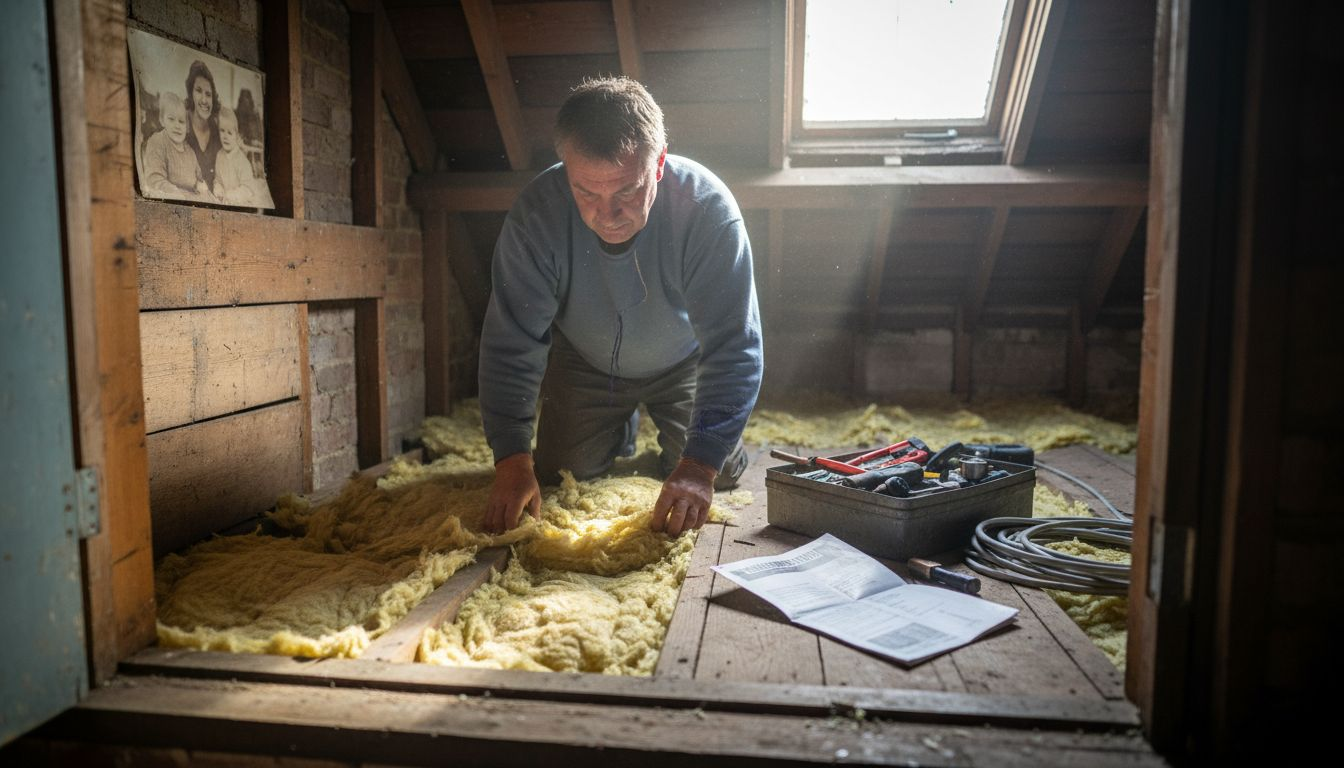
Loft insulation proves remarkably cost effective for London homes, particularly older terrace houses built before modern building regulations. Installing or upgrading to a minimum 270mm thickness can reduce heating bills by up to 25% and typically improves your EPC rating by one band. At £300 to £500 for most properties, this represents one of the best return on investment improvements available.
Double glazing upgrades benefit properties still fitted with original single pane windows. This improvement typically raises your EPC by one band while reducing noise pollution, a significant selling point in busy London neighborhoods. Expect costs between £3,000 and £6,000 depending on property size, with additional thermal and acoustic benefits that buyers immediately appreciate during viewings.
External wall insulation works exceptionally well for solid wall properties but represents a more substantial investment. This upgrade suits detached and semi detached homes where the visual impact is acceptable and costs, ranging from £8,000 to £15,000, align with property values. The Energy Saving Trust confirms solid wall insulation can save £300 to £400 annually on heating.
Combining multiple upgrades amplifies both energy savings and EPC rating improvements beyond individual measures. A property receiving new boiler, loft insulation, and double glazing might jump from an E to a C rating, transforming its marketability. Review typical EPC improvement costs and prioritize upgrades matching your budget and property characteristics.
Pro tip: Focus first on upgrades addressing your property’s biggest energy losses, identified in any existing EPC report under recommendations. This targeted approach delivers maximum rating improvement per pound spent, following proven energy rating improvement steps.
Legal EPC Compliance Requirements for London Home Sellers
Every London home seller must obtain an EPC certificate from a qualified assessor before marketing their property. This legal requirement applies universally across England and Wales, with certificates remaining valid for 10 years from the assessment date. Marketing your home without a valid EPC exposes you to potential fines and creates immediate red flags for serious buyers and their solicitors.
Only government accredited Domestic Energy Assessors can legally issue EPCs. These professionals undergo rigorous training and maintain registration on the official government database, ensuring assessment quality and legal validity. Using unaccredited assessors, no matter how cheap, results in worthless certificates that must be redone, wasting time and money during your sale process.
Minimum Energy Efficiency Standards MEES regulations from 2025 increasingly impact sale processes beyond rental properties. While current MEES primarily affects landlords, proposed extensions will likely require higher minimum ratings for all property sales. Forward thinking sellers proactively improve ratings now rather than facing mandatory upgrades later, maintaining flexibility in their selling timeline.
Certificate validity spans 10 years, but strategic sellers often commission new assessments before listing if previous certificates show poor ratings or if improvements have been completed. A fresh EPC reflecting recent upgrades immediately demonstrates enhanced value to buyers, justifying higher asking prices. Understanding minimum EPC requirements London helps position your property competitively.
Failing to provide valid EPCs triggers enforcement action from local Trading Standards offices, resulting in fines up to £200 for domestic properties. Beyond financial penalties, missing or invalid certificates delay completions as solicitors cannot proceed without proper documentation. Smart sellers secure their EPC early in the pre marketing phase, ensuring smooth transactions. Comprehensive guidance on EPC requirements in London clarifies all obligations, while our property sales EPC guide walks through the complete process.
Professional EPC Assessment Services in London: What to Expect
Accredited Domestic Energy Assessors conduct thorough property surveys lasting 45 to 90 minutes depending on size and complexity. During assessment, they measure dimensions, photograph key features, record construction details, examine heating systems, check insulation levels, and note window types. This comprehensive evaluation ensures accurate rating calculations aligned with government methodology.
Assessment costs in London typically range from £60 to £120 depending on property size, location, and service level. Qualified assessors provide not just certification but tailored energy efficiency improvement recommendations based on your specific property characteristics. These insights prove invaluable when prioritizing upgrades to maximize rating improvements within your budget.
Reputable assessors deliver legally compliant certificates registered on the official EPC database within 48 hours of assessment. This registration makes your certificate publicly accessible and verifiable by buyers, estate agents, and solicitors. Fast turnaround prevents marketing delays while maintaining full legal compliance throughout your sale process.
Selecting qualified professionals protects against invalid certificates that waste money and time. Verify assessor accreditation through the official government register before booking. Experienced London assessors understand local property types, construction methods, and market expectations, providing relevant advice beyond basic certification requirements.
Service guarantees and competitive pricing benefit sellers through quality assurance and value. Leading providers offer lowest price guarantees while maintaining assessment quality standards, ensuring you receive professional service without overpaying. The EPC assessment process in London typically involves booking, site visit, report generation, and certificate registration, all coordinated by your chosen assessor. Understanding EPC regulations insights helps set realistic expectations for assessment scope and deliverables.
Comparing EPC Upgrade Options: Costs, Benefits, and Suitability
Understanding trade offs between different upgrade options helps prioritize improvements matching your budget and property type. The following comparison summarizes key considerations for common EPC enhancements available to London home sellers.
| Upgrade Type | Typical Cost | EPC Band Improvement | Best Suited For | Key Benefits | Main Drawbacks |
|---|---|---|---|---|---|
| Boiler Replacement | £2,000 to £3,500 | 1 to 2 bands | Properties with boilers over 10 years old | Highest rating impact, improved reliability, lower bills | Higher upfront cost, installation disruption |
| Loft Insulation | £300 to £500 | 1 band | Terrace houses, older properties with accessible lofts | Excellent value, quick installation, immediate savings | Limited impact if already partially insulated |
| Double Glazing | £3,000 to £6,000 | 1 band | Properties with single glazing, flats, period homes | Noise reduction, thermal comfort, visual appeal | Moderate cost, planning permission sometimes needed |
| External Wall Insulation | £8,000 to £15,000 | 1 to 2 bands | Detached, semi detached solid wall homes | High energy savings, weather protection | Expensive, changes appearance, longer installation |
| Cavity Wall Insulation | £500 to £1,000 | 1 band | 1930s onwards cavity wall construction | Cost effective, invisible upgrade | Not suitable for solid wall properties |
Boiler upgrades deliver maximum EPC rating improvements but require moderate investment. This option suits any property with aging heating systems and offers buyers tangible ongoing savings that justify premium asking prices. Loft insulation provides exceptional return on investment, particularly for older London terrace houses where heat loss through roofs significantly impacts ratings.
Double glazing offers balanced benefits across rating improvement, comfort, and aesthetic appeal. This upgrade particularly suits flats and period properties where buyers value both energy efficiency and reduced street noise. External wall insulation, despite higher costs, transforms solid wall properties that otherwise struggle to achieve good ratings through cheaper measures alone.
Review energy rating improvement steps to map upgrade sequences that progressively enhance your property’s performance. Combining multiple lower cost improvements often delivers better overall results than single expensive measures, depending on your starting rating and property characteristics.
Situational EPC Tips: Matching Improvements to Your London Property
Older terrace houses, particularly Victorian and Edwardian builds, benefit most from loft insulation combined with boiler upgrades. These properties typically feature solid walls making cavity insulation impossible, but excellent roof access allows cost effective insulation installation. Focus here delivers substantial rating gains without expensive external wall treatments.
Properties with boilers over 12 years old gain significant EPC improvements from upgrading to A rated condensing models. Older boilers often operate at 60 to 70% efficiency, dragging down overall property ratings substantially. Modern replacements not only boost your EPC but provide buyers confidence in reliability and lower running costs from day one.
Detached and semi detached homes with solid walls represent prime candidates for external wall insulation despite higher costs. These properties lose substantial heat through uninsulated walls, and alternative upgrades often fall short of achieving good ratings. The investment aligns with higher property values typical of detached London homes, delivering proportional returns.
Flats and apartments with single glazing see excellent returns from double glazing upgrades coupled with any available loft space insulation. These properties benefit from shared walls reducing heat loss, meaning window and roof improvements create disproportionate rating gains. Additionally, noise reduction adds tangible value in dense urban settings.
- Victorian terrace: Prioritize loft insulation 270mm plus boiler upgrade for two band improvement at moderate cost
- 1930s semi detached: Add cavity wall insulation to loft and boiler work for comprehensive efficiency gains
- Post war flat: Focus on double glazing and any communal heating system improvements coordinated with management
- Period listed property: Seek specialist advice on sympathetic improvements meeting conservation requirements
- Modern home: Target remaining weaknesses like older boilers or insufficient loft depth for final rating polish
Pro tip: Match improvements to your target buyer profile and price point. Premium properties warrant higher investment in comprehensive upgrades, while entry level homes benefit most from strategic lower cost improvements delivering solid rating gains. Consult tailored EPC improvement advice specific to your property category for optimal results.
Optimize Your London Home Sale with Expert EPC Services
Navigating London’s EPC requirements while maximizing your property’s energy rating demands expert guidance tailored to local market conditions. Complete EPC’s accredited assessors provide accurate certifications combined with practical improvement recommendations that enhance your home’s value and buyer appeal. Our team understands diverse London property types, from Victorian terraces to modern flats, delivering insights that transform compliance obligations into competitive advantages.
Partner with professionals who guarantee lowest market rates without compromising assessment quality or service standards. Leverage our expertise to streamline your sale preparation, ensuring full compliance with EPC regulations while positioning your property optimally. Review our comprehensive guide to EPCs in London and explore the complete EPC assessment process to understand how we support successful property sales throughout the capital.
Frequently Asked Questions
What is an EPC and why is it important for home sellers in London?
An Energy Performance Certificate rates your property’s energy efficiency from A (most efficient) to G (least efficient), assessing how much energy your home uses and its carbon dioxide emissions. It’s legally mandatory before marketing any London home for sale and significantly influences buyer decisions, with higher rated properties commanding up to 14% price premiums. The certificate remains valid for 10 years and must be available to prospective buyers throughout the sales process.
How can I improve my EPC rating cost effectively in London?
Focus on high impact, affordable upgrades like loft insulation to 270mm thickness (£300 to £500), which typically improves ratings by one band while reducing heating bills by 25%. Consider boiler replacement if your current system exceeds 10 years old, offering the largest rating improvement of up to two bands for £2,000 to £3,500. Double glazing provides solid returns for properties with single pane windows, combining energy efficiency with noise reduction valued in London’s urban environment.
What are the legal EPC requirements for selling my London home?
You must commission a valid EPC from a government accredited Domestic Energy Assessor before marketing your property for sale or rent. The certificate must be provided to potential buyers at the earliest opportunity and remains valid for 10 years from assessment. Marketing without a valid EPC exposes you to fines up to £200 and creates legal complications that delay or derail sales, making early certification essential for smooth transactions.
How do I choose the right EPC assessor in London?
Select assessors registered on the official government accreditation database, ensuring legal validity and professional standards. Compare services offering transparent pricing between £60 and £120, tailored improvement recommendations beyond basic certification, and positive customer reviews reflecting reliability and expertise. Experienced London assessors understand local property types and market expectations, delivering insights that maximize your rating improvement potential while ensuring full regulatory compliance.