


Failing to obtain a valid Energy Performance Certificate (EPC) risks fines of up to £5,000 for landlords in Greater London. Yet many property owners delay or avoid the process, believing it’s complicated or expensive. The reality is far simpler. This guide walks you through every step of securing your EPC efficiently, from understanding legal requirements to receiving your digital certificate within days, ensuring full compliance whilst saving time and money.
Table of Contents
- Understanding EPC Legal Requirements In Greater London
- What You Need Before Starting: Prerequisites And Documentation
- Choosing A Qualified EPC Assessor
- Step-By-Step EPC Application Process
- Cost Expectations And How To Save On Your EPC
- Common Mistakes And How To Avoid Them
- Expected Results And Outcomes Of Securing An EPC
- Get Your Certified EPC With Complete EPC Services
- Frequently Asked Questions About Getting An EPC In Greater London
Key takeaways
| Point | Details |
|---|---|
| EPCs are legally mandatory | Required when selling, renting, or constructing property, with penalties reaching £5,000 for non-compliance. |
| Preparation is essential | Gather ownership documents, floor plans, and ensure full property access before booking an assessment. |
| Only accredited assessors matter | Certificates from unregistered assessors are legally invalid and can trigger fines. |
| Online booking saves money | Digital platforms offer up to 20% cost reduction compared to traditional booking methods. |
| Certificates last 10 years | Valid EPCs are issued within three days and remain legal for a decade without renewal. |
Understanding EPC legal requirements in Greater London
Energy Performance Certificates are mandatory for all properties being sold, rented, or newly constructed across England, including Greater London. This legal obligation applies the moment you market your property, not when you exchange contracts or hand over keys. Compliance is not optional.
Three groups must obtain EPCs. Landlords need valid certificates before advertising rental properties. Sellers require them before listing homes for sale. Developers must have EPCs for newly built properties before first occupation. Each group faces identical legal obligations and consequences for non-compliance.
Penalties up to £5,000 apply for landlords who fail to provide valid EPCs when renting properties in London. Sellers face fines between £500 and £5,000 depending on property value. These penalties are enforced by local trading standards officers who conduct regular compliance checks. The financial risk far exceeds the cost of obtaining a certificate.
Minimum Energy Efficiency Standards (MEES) add another layer of legal obligation. Since April 2020, landlords cannot let properties with EPC ratings below E unless they secure exemptions. Properties rated F or G cannot be legally rented, creating potential income loss alongside fines.
Understanding these requirements prevents costly mistakes. Many property owners assume they can delay EPC acquisition until contracts are signed. This is incorrect and risky. Marketing any property without a valid EPC triggers enforcement action. Following the EPC legal compliance workflow ensures you meet obligations from the start.
Key compliance points:
- Obtain your EPC before marketing begins, not after
- Display EPC ratings prominently in property advertisements
- Provide copies to prospective buyers or tenants upon request
- Maintain valid certificates for the full 10-year validity period
- Ensure minimum E rating for rental properties under MEES
What you need before starting: prerequisites and documentation
Proper preparation streamlines your EPC assessment and prevents delays. Start by gathering essential property documents. You’ll need proof of ownership such as title deeds or land registry documents. Floor plans help assessors understand property layout before arrival. Recent energy bills demonstrate heating system usage patterns.
Collect details about your heating system including boiler age, service records, and thermostat locations. Assessors need access to all heating controls during their visit. Note any recent energy efficiency improvements such as insulation upgrades, window replacements, or solar panel installations. These details directly impact your final rating.
Property access is critical. The assessor must enter every heated room including lofts, basements, and storage areas. Locked rooms or inaccessible spaces prevent accurate assessment and may require rescheduling. Ensure your heating system is functional. Assessors cannot evaluate broken boilers or disconnected heating.
Determining the correct EPC type matters. Domestic EPCs cover residential properties including houses, flats, and maisonettes. Commercial EPC requirements apply to offices, shops, warehouses, and mixed-use buildings. Using the wrong certificate type creates compliance issues. Check with your assessor if you’re unsure about classification.
Accurate property information prevents errors. Measure room dimensions if floor plans are outdated. Note the number of habitable rooms, total floor area, and construction year. Mistakes in basic property data can lower your rating unnecessarily.
Pro Tip: Photograph your boiler serial number plate and thermostat model before the assessment. This speeds up the process and ensures accurate equipment recording in your certificate.
Preparation saves money too. Assessors charge extra for return visits caused by locked rooms or missing documentation. Following the EPC application workflow ensures you’re ready. Investing an hour in preparation prevents days of delays.
Before booking your assessment, review tips for a better EPC rating. Simple improvements like replacing old light bulbs with LEDs or adding loft insulation can boost your rating. These changes are easier and cheaper before the assessment than after receiving a poor rating.
Essential preparation checklist:
- Ownership documents and title deeds ready for verification
- Floor plans showing room layouts and dimensions
- Boiler service records and heating system documentation
- Full access keys for all rooms, lofts, and basements
- List of recent energy efficiency improvements with dates
- Working heating system with accessible controls
Choosing a qualified EPC assessor
Your EPC is only legally valid if issued by an accredited assessor. Government-registered accreditation bodies authorise assessors after rigorous training and examination. Certificates from unregistered individuals are worthless and can trigger enforcement action.
Verify assessor credentials before booking. Every legitimate assessor has a unique registration number issued by their accreditation body. Check this number on the official government EPC register. The register shows current accreditation status, areas of expertise, and complaint history. This verification takes two minutes and prevents expensive mistakes.
Booking uncertified assessors is a common and costly error that invalidates your certificate entirely. Some property owners choose assessors based solely on price, ignoring credentials. Others rely on personal recommendations without verification. Both approaches risk legal non-compliance.
Accredited assessors belong to recognised schemes including Elmhurst Energy, Stroma Certification, or Quidos. These bodies maintain professional standards through regular audits and continuing education requirements. Assessors must hold valid professional indemnity insurance protecting you against errors.
Experience with Greater London properties matters. London’s housing stock includes Victorian terraces, post-war flats, and modern developments. Each property type presents unique assessment challenges. Assessors familiar with London’s building styles produce more accurate certificates and understand local compliance issues.
Pro Tip: Request your assessor’s registration number before paying any deposit. Verify it on the official EPC register at epcregister.com. Legitimate assessors provide this information immediately.
Online platforms simplify assessor selection. Services like Complete EPC verify assessor credentials automatically and match you with qualified professionals. This removes verification burden whilst ensuring compliance. You avoid the risk of accidentally hiring unregistered individuals.
Choosing an EPC assessor requires balancing cost, speed, and reliability. The cheapest option often indicates lack of experience or questionable credentials. Mid-range pricing from established online services typically offers the best value.
Assessor verification steps:
- Confirm current accreditation through official government register
- Check professional indemnity insurance coverage levels
- Verify experience with your specific property type
- Read recent customer reviews and complaint records
- Ensure same-day or next-day booking availability
- Confirm digital certificate delivery within three working days
Step-by-step EPC application process
Booking your EPC online delivers the fastest results and lowest costs. Digital platforms connect you with available assessors instantly, often scheduling visits within 24 to 48 hours. This beats traditional phone booking by several days. Online systems also automate payment and documentation, reducing administrative friction.
Once booked, prepare for the assessor’s visit. They’ll need full property access including lofts, basements, and any outbuildings with heating. Ensure all rooms are unlocked and accessible. Switch on your heating system before arrival so the assessor can check controls and functionality. Remove obstacles blocking radiators, thermostats, or boiler access.
The on-site assessment typically takes 45 to 60 minutes depending on property size and complexity. Smaller flats require 30 to 40 minutes. Large houses with multiple floors need 75 to 90 minutes. The assessor measures rooms, photographs key features, and records heating system details.
During the visit, the assessor examines specific property elements. They measure wall thickness to determine insulation levels. They check window types, glazing, and frame materials. They record boiler model numbers, control types, and heating distribution systems. They inspect loft insulation depth and note any renewable energy installations.
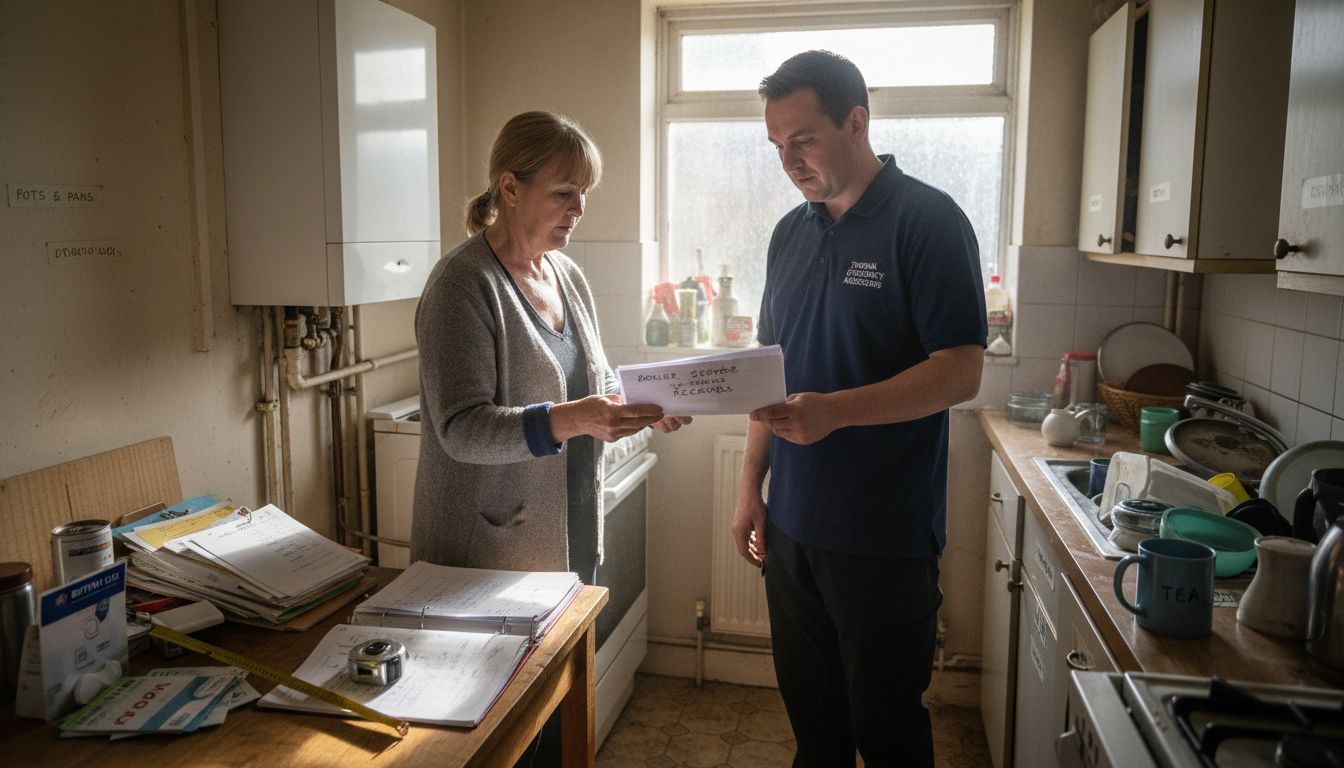
You can accompany the assessor throughout the inspection. This helps answer questions about recent improvements or unusual features. Mention any upgrades not immediately visible, such as cavity wall insulation or underfloor heating. These details improve your rating if properly documented.
After completing the site visit, the assessor compiles data and submits your report to the national EPC register within 24 hours. The register validates the information and generates your official certificate. Most certificates arrive digitally within one to three working days. You’ll receive an email with a secure download link.
Your certificate includes several components. The main rating appears as a coloured band from A (most efficient) to G (least efficient). Current and potential ratings show your property’s performance before and after recommended improvements. The recommendations section lists specific upgrades with estimated costs and potential rating improvements.
The EPC assessment process guide provides detailed information about what happens during each stage. Understanding this process reduces anxiety and helps you prepare effectively. For commercial properties, review preparing for commercial EPC guidance since assessment criteria differ.
EPC application timeline:
| Stage | Timeframe | Your actions |
|---|---|---|
| Online booking | Immediate | Select assessor, choose appointment slot, provide property details |
| Assessment scheduling | 24-48 hours | Confirm appointment, prepare property access |
| On-site inspection | 45-60 minutes | Grant full access, answer assessor questions |
| Report submission | Same day | Review preliminary findings if provided |
| Certificate issue | 1-3 working days | Download and store digital certificate securely |
The assessment covers:
- External walls, construction type, and insulation presence
- Roof structure, insulation depth, and condition
- Windows, glazing type, and frame materials
- Heating system, boiler efficiency, and control sophistication
- Hot water system, cylinder insulation, and controls
- Lighting types throughout habitable rooms
- Renewable technologies including solar panels or heat pumps
Cost expectations and how to save on your EPC
EPC prices in Greater London typically range between £60 and £120 for domestic properties. Small flats cost £60 to £80. Terraced houses run £75 to £95. Larger detached properties reach £100 to £120. Commercial EPCs start at £150 and increase based on building size and complexity.
Location within Greater London affects pricing. Central zones command premium rates due to assessor travel costs. Outer boroughs like Havering or Hillingdon offer lower prices. However, price differences rarely exceed £15 to £20 between zones.
Booking EPCs online saves up to 20% compared to traditional telephone booking. Digital platforms reduce administrative overhead and pass savings to customers. Online services also aggregate assessor availability, creating competitive pricing pressure. This benefits you through lower costs and faster service.
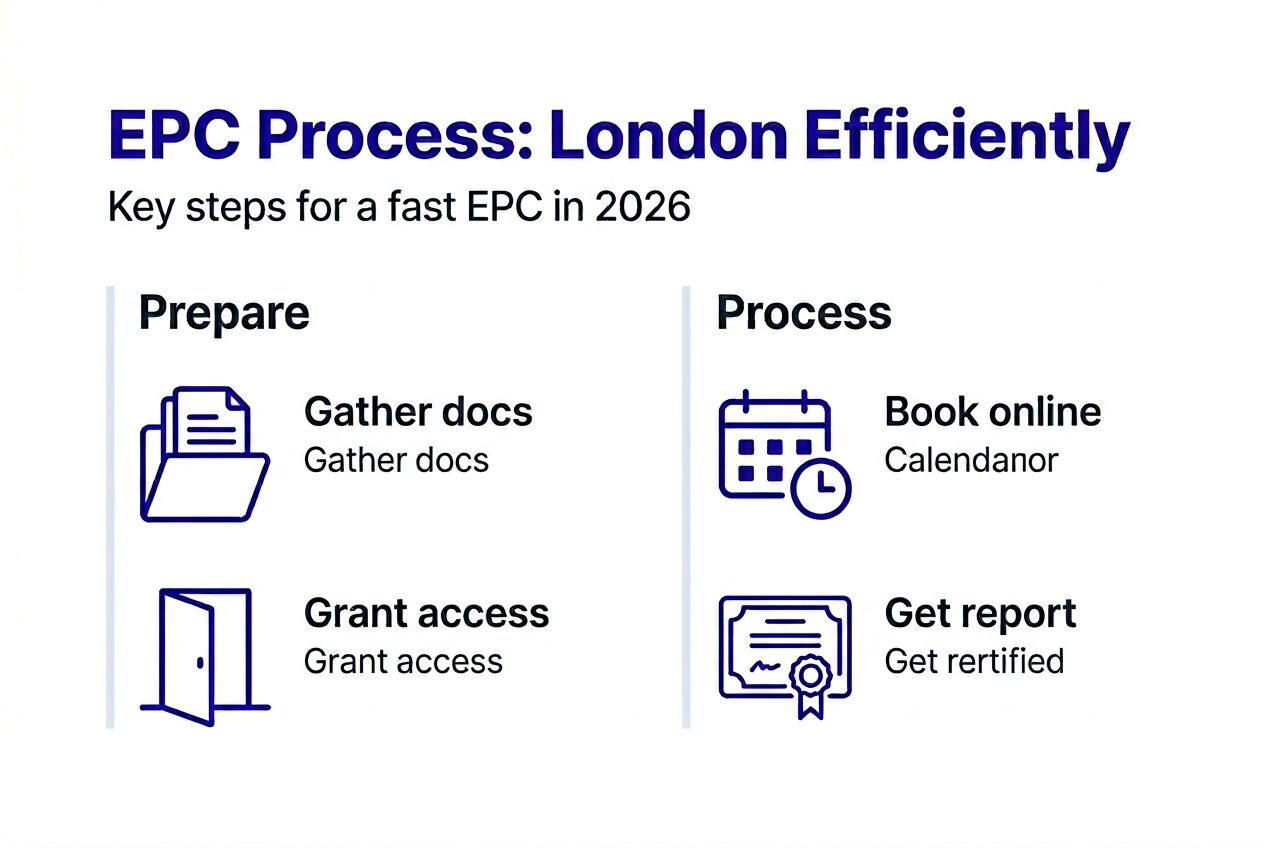
Avoid hidden fees by confirming final prices upfront. Some assessors advertise low base rates then add charges for loft access, multiple floors, or weekend appointments. Request written quotes including all potential extras before booking. Reputable services guarantee fixed prices regardless of property features.
Faster delivery adds value beyond cost savings. Traditional booking methods require multiple phone calls and email exchanges. Online platforms complete the entire process in minutes. Digital certificate delivery eliminates postage delays, getting your EPC to you faster.
Pro Tip: Book during weekday mornings for best availability and fastest turnaround. Assessors have fuller schedules and longer processing times on Fridays and weekends.
Affordable domestic EPC quotes from Complete EPC balance cost and quality. Their government-accredited assessors deliver certificates within three days whilst maintaining competitive pricing. Fixed-price guarantees prevent surprise charges.
Comparing prices across multiple providers is worthwhile but time-consuming. Focus on established platforms with verified assessor networks rather than individual assessors. This ensures consistent quality and regulatory compliance.
Price comparison for typical Greater London properties:
| Property type | Traditional booking | Online booking | Potential savings |
|---|---|---|---|
| Studio flat | £75-£85 | £60-£70 | £10-£15 |
| 2-bed flat | £85-£95 | £70-£80 | £10-£15 |
| 3-bed terrace | £95-£110 | £80-£90 | £15-£20 |
| 4-bed detached | £110-£130 | £90-£110 | £20 |
| Commercial unit | £180-£250 | £150-£200 | £30-£50 |
Common mistakes and how to avoid them
Many property owners make preventable errors that delay or invalidate their EPCs. Understanding these mistakes helps you avoid unnecessary costs and compliance problems.
Booking non-accredited assessors and failing to provide full property access are the most frequent errors. Unregistered assessors issue worthless certificates that provide no legal protection. Always verify credentials before paying.
Restricted access creates significant problems. Locked lofts prevent insulation measurement. Inaccessible basements hide heating equipment. The assessor cannot guess at hidden features. They must physically inspect every heated space. Incomplete access means incomplete assessments and potentially inaccurate ratings.
Using outdated property documentation causes rating errors. Floor plans from 20 years ago don’t reflect extensions or conversions. Old boiler service records miss recent upgrades. Provide current, accurate information to ensure your certificate reflects actual property conditions.
Misunderstanding EPC validity leads to unnecessary repeat assessments. Certificates last 10 years unless you make significant energy efficiency improvements. Some property owners believe they need annual renewals. Others think EPCs expire when ownership changes. Both beliefs are wrong and waste money.
Ignoring EPC recommendations forfeits value opportunities. Your certificate includes improvement suggestions with cost estimates and rating impacts. These aren’t just regulatory box-ticking. Implementing recommendations can boost property value by several thousand pounds whilst cutting energy bills.
Pro Tip: Keep your EPC certificate in a secure digital folder with other property documents. Note the expiry date in your calendar to plan renewals without urgency or premium pricing.
Timing mistakes cause stress. Booking your EPC after listing your property creates legal exposure. Marketing without a valid certificate triggers potential fines. Book assessments before photographer visits or property listings go live.
Assuming all certificates are identical overlooks important quality differences. Assessors exercise judgement when evaluating property features. Experienced professionals identify energy-saving features others might miss. This can improve your rating by one band. Choosing an EPC assessor carefully pays dividends.
“The biggest mistake I see is landlords who delay obtaining EPCs until tenants move out, then discover they need to make costly improvements before re-letting. Early assessment allows time for planned upgrades at lower cost.” — London EPC Assessor with 12 years’ experience
Mistakes to avoid:
- Hiring assessors without verifying government accreditation status
- Restricting access to lofts, basements, or heated rooms during assessment
- Providing outdated floor plans or incorrect property information
- Assuming EPCs expire when property changes hands or tenants move
- Ignoring improvement recommendations that could increase property value
- Booking assessments after property marketing begins rather than before
Expected results and outcomes of securing an EPC
Once your assessment is complete, expect your digital certificate within 24 hours to three working days. Most arrive within 48 hours. The certificate appears in your email as a secure PDF download link. Save multiple copies to different devices for easy access during property transactions.
Your EPC remains valid for 10 years from the issue date. This applies regardless of ownership changes, tenant turnover, or property improvements. You don’t need renewals unless you want to reflect significant upgrades. The 10-year validity provides long-term compliance peace of mind.
Implementing EPC improvement recommendations can increase property value by up to 5%. Energy-efficient homes command premium prices in Greater London’s competitive market. Buyers pay more for lower running costs. Tenants prefer properties with better ratings. These preferences translate directly into higher sale prices and rental income.
Complying with EPC regulations prevents fines and supports property marketability. Valid certificates eliminate legal barriers to sales or lettings. They demonstrate professional property management. Estate agents and solicitors process compliant properties faster, reducing transaction times.
EPC ratings provide useful benchmarking. You can compare your property’s efficiency against similar homes. This highlights whether improvements would deliver competitive advantages. Properties rated C or above attract significantly more buyer interest than those rated D or below.
Understanding your EPC rating helps prioritise improvements. The certificate ranks recommendations by cost-effectiveness. Low-cost changes like LED lighting might boost your rating cheaply. Major investments like external wall insulation require careful financial analysis.
EPC benefits for London properties extend beyond legal compliance. They reduce energy bills, improve comfort, and support environmental goals. Properties with better ratings suffer fewer damp and mould problems. This reduces maintenance costs and tenant complaints.
Key outcomes you’ll receive:
- Official certificate issued within three working days of assessment
- 10-year validity period requiring no renewals unless major improvements occur
- Current energy rating band and numerical score showing property efficiency
- Potential rating demonstrating achievable performance after improvements
- Prioritised recommendations list with estimated costs and rating impacts
- Environmental impact rating showing carbon dioxide emissions levels
Get your certified EPC with Complete EPC services
Ready to obtain your EPC quickly and affordably? Complete EPC connects you with government-accredited assessors across Greater London. Our online booking system schedules assessments within 48 hours, delivering digital certificates in three days or less. You’ll save up to 20% compared to traditional booking whilst ensuring full legal compliance.
Our qualified assessors bring extensive experience with London’s diverse property types. They understand local building characteristics and regulatory requirements. This expertise produces accurate certificates and reliable improvement recommendations. You avoid the risk of invalid certificates or missed compliance deadlines.
Navigating EPC regulations doesn’t have to be complicated. Our comprehensive resources help you understand EPCs in London and follow the EPC assessment process confidently. We provide end-to-end support from initial booking through certificate delivery.
Get your affordable domestic EPC today and protect your property investment with complete compliance.
Frequently asked questions about getting an EPC in Greater London
What is the validity period of an EPC certificate?
EPC certificates remain valid for 10 years from the issue date. This validity continues regardless of property ownership changes or tenant turnover. You only need a new certificate if you make significant structural or heating system improvements that could substantially alter your rating.
Can I use any assessor to get an EPC in London?
No, you must use a government-accredited assessor registered with an approved certification scheme. Only certificates from registered assessors are legally valid. Always verify your assessor’s credentials on the official EPC register before booking to avoid worthless certificates and potential fines.
How long does the EPC assessment and certification take?
The on-site assessment typically takes 45 to 60 minutes depending on property size. After the visit, your certificate is submitted to the national register and issued digitally within one to three working days. Most properties receive certificates within 48 hours of assessment completion.
What happens if my property does not meet minimum energy efficiency standards?
Properties rated F or G cannot be legally rented under Minimum Energy Efficiency Standards. You must make improvements to achieve at least an E rating before letting. Your EPC includes prioritised recommendations showing which upgrades deliver the best cost-to-rating improvement ratio.
Is it necessary to renew the EPC before it expires?
Not necessarily. If you’re not selling or re-letting the property, you can wait until the next transaction. However, if you’ve made significant energy improvements, obtaining a new certificate can increase property value. Plan renewals strategically based on your property plans rather than automatic 10-year cycles.