
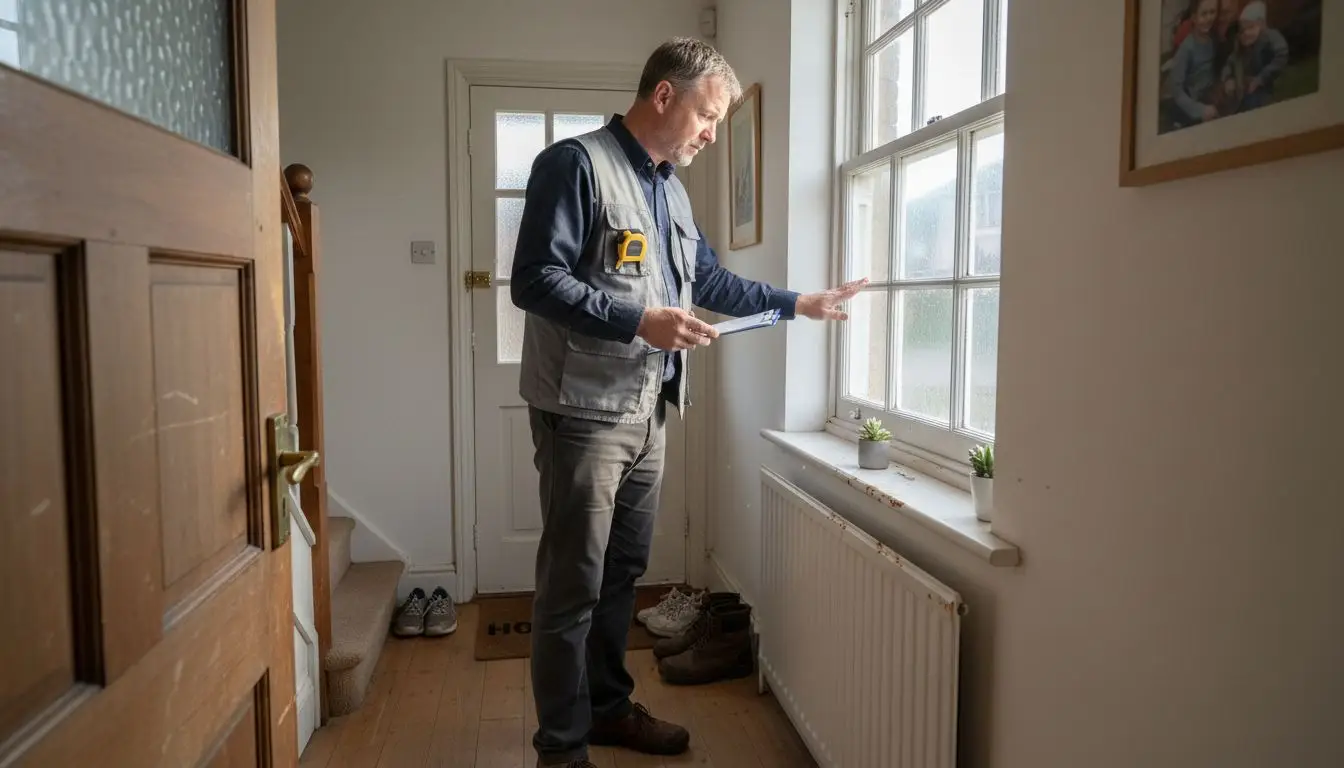
Keeping your property warm and your energy bills under control can often feel like a constant balancing act. With so many ways for heat to slip through gaps, outdated windows, or inefficient heating, it is easy to see why energy costs can quickly add up. Thankfully, practical steps guided by official standards can make a real difference in your home’s comfort and efficiency.
This guide will show you how to spot weaknesses in your insulation, identify where heat escapes through windows and doors, and uncover ways to upgrade your heating system and appliances. You will discover actionable methods supported by UK government recommendations and expert advice, all aimed at meeting energy efficiency standards and saving you money.
Get ready to transform the way you manage energy in your home with clear, focused strategies you can put into practice right away.
Table of Contents
- Evaluate Building Insulation And Draughts
- Check Windows And Doors For Energy Loss
- Assess Heating And Boiler Efficiency
- Inspect Lighting And Appliance Usage
- Review Water Heating And Pipe Insulation
- Analyse Ventilation And Air Quality Measures
- Compile Recommendations For EPC Compliance
Quick Summary
| Key Message | Explanation |
|---|---|
| 1. Improve Insulation and Seal Draughts | Enhance insulation to prevent heat loss, potentially saving up to 20% on heating costs. |
| 2. Upgrade Windows and Doors | Replacing old windows and doors may reduce heat loss by up to 40%, improving energy efficiency. |
| 3. Assess Heating System Efficiency | Evaluate your boiler’s performance to reduce energy consumption by up to 30% through potential upgrades. |
| 4. Optimize Lighting and Appliances | Switching to LED lighting can decrease electricity consumption by up to 75%, leading to significant cost savings. |
| 5. Enhance Water Heating and Pipe Insulation | Ensure proper insulation to cut heat loss by up to 80%, lowering energy bills and improving efficiency. |
1. Evaluate Building Insulation and Draughts
Building insulation and draught prevention are critical components in maintaining a property’s energy efficiency. Understanding how heat escapes and implementing strategic solutions can significantly reduce energy consumption and lower utility bills.
Insulation acts as a thermal barrier that prevents heat transfer between the interior and exterior of a building. Poorly insulated properties can lose up to 25% of their heat through walls and roof spaces, creating unnecessary energy waste. By targeting thermal efficiency, property owners can make substantial improvements to their building’s overall performance.
Key areas to assess during an insulation and draught audit include:
- Roof and loft spaces
- Wall cavities
- Floor and basement areas
- Window and door frames
- Chimney and ventilation openings
Detecting and sealing draughts requires a systematic approach. Common methods include:
- Visual inspection of window and door seals
- Using smoke tests to identify air leakage points
- Checking for gaps around pipework and electrical fittings
- Examining floor and ceiling junctions
Effective draught-proofing can reduce heat loss by up to 20% and save significant money on heating costs.
Professional tools like thermal imaging cameras can provide precise insights into heat loss areas. These devices create visual maps of temperature variations, helping identify hidden insulation gaps that might not be visible to the naked eye.
Top tip: Invest in professional energy assessment to get a comprehensive understanding of your property’s thermal performance and targeted improvement recommendations.
2. Check Windows and Doors for Energy Loss
Windows and doors are critical points of heat loss in residential and commercial properties. Understanding how to assess and minimise energy escape through these architectural openings can significantly improve your building’s thermal efficiency.
Understanding how energy escapes through windows and doors requires examining several key factors. Domestic energy efficiency standards mandate specific performance requirements that help property owners identify and rectify potential heat loss points.
Key areas to inspect for potential energy loss include:
- Window frame materials and condition
- Glazing type and quality
- Seal integrity around window and door frames
- Age and installation quality of openings
- Presence of draught-proofing measures
Detailed inspection steps for windows and doors:
- Check for visible gaps around frame edges
- Test window and door seals for air tightness
- Assess current glazing standard
- Measure thermal performance using professional tools
- Evaluate potential replacement or upgrade options
Upgrading windows and doors can reduce heat loss by up to 40% and significantly improve a property’s energy performance rating.
Professional draught-proofing techniques can help minimise heat escape. Double or triple glazing with low-emissivity coatings provides superior thermal insulation compared to single-glazed alternatives.
Top tip: Consider professional thermal imaging assessment to precisely identify hidden heat loss points around windows and doors.
3. Assess Heating and Boiler Efficiency
Heating systems represent a critical component of a property’s energy performance and can significantly impact overall energy consumption. Understanding and optimising your boiler’s efficiency is key to reducing both environmental impact and utility expenses.
Modern heating technologies are rapidly evolving to meet stringent carbon reduction targets. Low carbon heating solutions are becoming increasingly important for property owners seeking to improve energy efficiency and reduce carbon emissions.
Critical aspects to evaluate during a heating system assessment include:
- Current boiler age and model
- Annual fuel consumption
- Heating system efficiency rating
- Maintenance history
- Potential upgrade opportunities
Detailed steps for comprehensive heating system evaluation:
- Review boiler service records
- Check manufacturer’s efficiency specifications
- Measure current system performance
- Analyse energy consumption patterns
- Compare with modern heating technology options
Upgrading an inefficient boiler can reduce energy consumption by up to 30% and significantly lower household carbon emissions.
Advanced heating efficiency indicators help property owners understand their system’s performance. Condensing boilers and air source heat pumps represent cutting-edge technologies that offer superior energy conservation compared to traditional heating systems.
Top tip: Consider professional energy assessment to identify precise heating system improvement opportunities and potential cost savings.
4. Inspect Lighting and Appliance Usage
Lighting and electrical appliances represent significant contributors to household energy consumption. Understanding and optimising their usage can lead to substantial reductions in electricity costs and carbon emissions.
Modern energy efficiency regulations emphasise the importance of smart energy saving solutions that help property owners minimise unnecessary electrical expenditure.
Key areas to evaluate during lighting and appliance inspection include:
- Total number of electrical devices
- Power consumption of each appliance
- Age and efficiency rating of equipment
- Standby power usage
- Potential replacement opportunities
Detailed steps for comprehensive electrical usage assessment:
- Conduct a thorough inventory of all electrical devices
- Measure individual appliance energy consumption
- Identify high-energy consuming equipment
- Check for outdated or inefficient models
- Research energy-efficient replacement options
Modern LED lighting can reduce energy consumption by up to 75% compared to traditional incandescent bulbs.
Smart electrical management strategies can dramatically reduce household energy expenditure. This includes using energy-efficient LED bulbs, smart power strips, and programmable thermostats to minimise unnecessary electricity usage.
Top tip: Invest in a plug-in energy metre to precisely track individual appliance electricity consumption and identify potential savings opportunities.
5. Review Water Heating and Pipe Insulation
Water heating represents a significant portion of household energy consumption and presents substantial opportunities for efficiency improvements. Proper assessment of water heating systems and pipe insulation can lead to meaningful energy savings and reduced utility expenditure.
Homeowners can benefit from understanding water efficiency calculations that help identify potential energy conservation strategies for their properties.
Key aspects to evaluate during water heating and pipe insulation review:
- Water heater age and efficiency rating
- Current pipe insulation condition
- Hot water cylinder performance
- Temperature settings and distribution
- Potential upgrade opportunities
Detailed steps for comprehensive water heating assessment:
- Inspect water heater model and manufacturing date
- Check pipe insulation for damage or wear
- Measure water temperature distribution
- Evaluate current system energy consumption
- Research modern energy-efficient alternatives
Proper pipe insulation can reduce heat loss by up to 80% and significantly lower energy costs.
Modern water heating technologies like condensing boilers and heat pumps offer superior energy performance compared to traditional systems. Implementing targeted insulation measures can dramatically reduce heat wastage and improve overall property energy efficiency.
Top tip: Consider professional thermal imaging to identify specific heat loss points in your water heating infrastructure.
6. Analyse Ventilation and Air Quality Measures
Ventilation and indoor air quality are critical components of a comprehensive property energy audit that directly impact occupant health and building performance. Understanding how air circulation and quality interact can reveal significant opportunities for improvement.
Understanding thermal comfort standards for residential buildings helps property owners develop more effective ventilation strategies.
Key aspects to evaluate during ventilation assessment include:
- Current air exchange rates
- Presence of mechanical ventilation systems
- Humidity and moisture control
- Potential air pollutant sources
- Effectiveness of natural and mechanical ventilation
Detailed steps for comprehensive ventilation analysis:
- Measure indoor air quality parameters
- Inspect existing ventilation infrastructure
- Check for proper air circulation patterns
- Evaluate humidity and condensation risks
- Identify potential improvement strategies
Effective ventilation can reduce indoor pollutant concentrations by up to 70% and significantly improve occupant health and comfort.
Modern ventilation technologies offer sophisticated solutions for managing indoor air quality. Approaches like heat recovery ventilation systems can simultaneously improve air circulation and energy efficiency.
Top tip: Conduct a professional indoor air quality test to obtain precise measurements and targeted improvement recommendations.
7. Compile Recommendations for EPC Compliance
Compiling comprehensive recommendations for Energy Performance Certificate (EPC) compliance is the critical final step in ensuring your property meets current energy efficiency standards. This process transforms your energy audit findings into actionable strategies for property improvement.
Understanding energy performance regulations helps property owners navigate the complex landscape of compliance requirements and potential upgrades.
Key elements to include in your EPC compliance recommendations:
- Prioritised improvement measures
- Estimated cost of upgrades
- Potential energy savings
- Return on investment calculations
- Compliance timeline
- Recommended technologies
Detailed approach to compiling comprehensive recommendations:
- Rank improvements by cost-effectiveness
- Calculate potential energy performance rating increase
- Estimate implementation costs
- Identify potential funding or grant opportunities
- Develop a phased implementation strategy
By 2030, privately rented properties must achieve a minimum EPC rating of Band C, making proactive planning crucial.
Strategic EPC improvement planning involves balancing immediate upgrades with long-term energy efficiency goals. This approach ensures compliance while maximising property value and reducing carbon emissions.
Top tip: Consult a professional EPC assessor to validate your recommendations and ensure comprehensive compliance strategy.
Below is a comprehensive table summarising the steps, considerations, and benefits discussed in the article regarding property energy efficiency improvements through audits and upgrades.
| Aspect | Primary Actions | Benefits |
|---|---|---|
| Building Insulation and Draughts | Inspect insulation in walls, roofs, and cavities; seal draughts using professional tools. | Reduce heat loss by up to 25%. Substantial energy savings. |
| Windows and Doors | Inspect frames and seals; consider upgrading to double or triple glazing. | Reduce heat loss by up to 40%. Improve thermal efficiency. |
| Heating System Efficiency | Evaluate boiler age and efficiency; upgrade to modern heating technologies if necessary. | Lower energy consumption by up to 30%. Reduce carbon emissions. |
| Lighting and Appliances | Inventory electrical devices and replace older models with energy-efficient alternatives. | Cut electricity consumption by up to 75% with LED lighting. |
| Water Heating and Pipe Insulation | Inspect heater systems and pipe insulation; consider modern heaters and insulation upgrades. | Reduce heat loss by up to 80%. Significant cost efficiency. |
| Ventilation and Air Quality | Evaluate air exchange and circulation; implement modern mechanical ventilation systems. | Improve occupant health. Enhance indoor air quality. |
| EPC Compliance | Develop improvement strategies and calculate energy savings for compliance measures. | Achieve legal energy standards and improve property value. |
Take Control of Your Property’s Energy Efficiency Today
The challenge faced by many property owners and managers is how to accurately identify and prioritise key energy improvements based on a detailed property energy audit checklist. Whether it is evaluating insulation and draughts, assessing heating systems, or compiling recommendations for EPC compliance, understanding the critical areas that impact your building’s thermal performance can feel overwhelming. You want clear, actionable insights that reduce energy waste, lower bills, and boost property value without unnecessary complexity.
At Complete EPC, we specialise in delivering comprehensive EPC assessments tailored to London’s diverse properties. Our expert assessors utilise advanced tools and industry knowledge to pinpoint energy loss through windows, heating inefficiencies, and ventilation concerns. We provide detailed reports complete with strategic improvement plans designed to meet regulatory standards while maximising your return on investment. Explore how our professional consultancy supports landlords, estate agents, and homeowners in navigating energy regulations confidently and cost-effectively on our main service page.
Don’t wait for rising energy costs to impact your property Take the proactive step of booking a full property energy audit with Complete EPC today. Benefit from expert advice, guaranteed best rates, and a seamless process designed around your needs. Visit Complete EPC now and secure your energy performance certificate alongside personalised recommendations that align with the 7 essential steps outlined in the checklist.
Frequently Asked Questions
What are the first steps to conduct a property energy audit?
To begin a property energy audit, start by evaluating building insulation and draughts. Inspect areas such as roof spaces, wall cavities, and window seals to identify potential heat loss.
How do I check for energy loss around windows and doors?
Inspect the condition of window frames and seals for visible gaps and test their air tightness. Perform a thorough assessment to determine whether upgrading to double or triple glazing could improve energy efficiency by up to 40%.
What factors should I consider when assessing heating system efficiency?
Evaluate the age, efficiency rating, and maintenance history of your boiler and heating system. Consider measuring its current performance and comparing it with modern, energy-efficient technologies to identify possible upgrades that could reduce energy consumption by up to 30%.
How can I optimise my lighting and appliance usage for better energy efficiency?
Conduct a thorough inventory of all electrical devices and measure their individual energy consumption. Replace outdated equipment with modern, energy-efficient models, such as LED lighting, which can reduce energy usage by up to 75%.
What steps should I take to improve water heating efficiency in my home?
Inspect your water heater and the condition of pipe insulation. Ensure your system is up to date, and consider modern alternatives that minimise heat loss and improve efficiency, potentially saving a significant portion of your energy costs.
How do I compile recommendations for Energy Performance Certificate compliance?
Compile your findings into a list of prioritised improvement measures, including estimated costs and potential energy savings. Develop a phased implementation strategy to ensure compliance with energy performance regulations by the set deadlines.
Recommended
- Essential Energy Rating Improvement Steps for UK Properties
- Essential Property Energy Assessment Steps for Compliance
- Energy Auditing Explained: EPC Compliance and Savings
- 7-Step Energy Efficiency Checklist for London Properties – Complete EPC
- Energieaudit Erklärung – Mehr Effizienz und Kostenersparnis – Elektrotechnik Ernst