
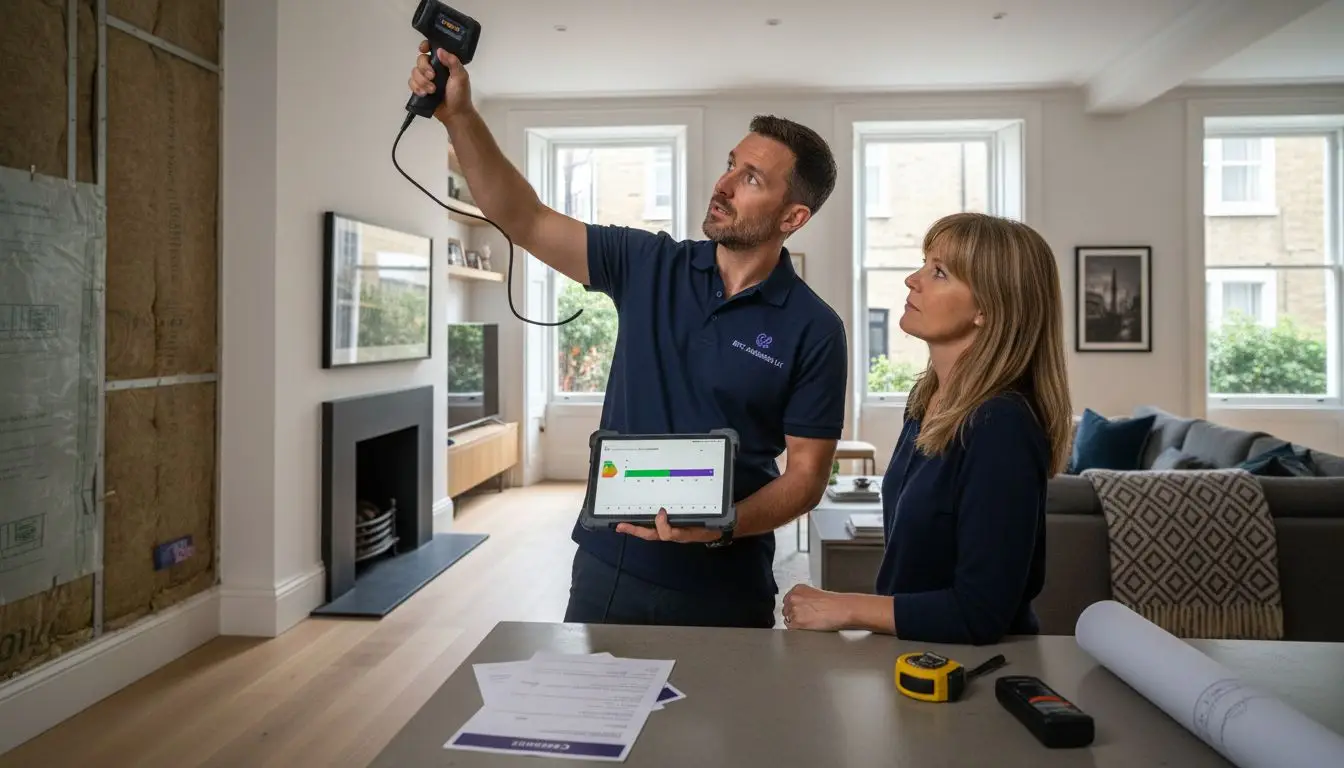
Nearly every property transaction in the UK now hinges on a simple document that can impact both your legal standing and energy bills. An Energy Performance Certificate, or EPC, ranks a building from A to G based on energy efficiency, but many homeowners still believe EPCs are just another piece of paperwork. Understanding what EPCs actually cover—and the common myths around them—is key to making the right decisions for your property’s value, compliance, and sustainability.
Table of Contents
- Defining EPCs and Common Misconceptions
- Types of EPCs: Domestic and Commercial Differences
- EPC Legal Requirements in London and UK
- How EPC Assessments Are Conducted
- Costs, Validity, and Reassessment Factors
- Common EPC Mistakes and How to Avoid Them
Key Takeaways
| Point | Details |
|---|---|
| EPC Definition | Energy Performance Certificates (EPCs) are mandatory documents assessing a property’s energy efficiency, rated from A to G, essential for property transactions in the UK. |
| Misconceptions | Common myths include that EPCs are optional and only paperwork; they are crucial for energy management and compliance. |
| Types of EPCs | EPCs are classified into domestic and commercial types, each with specific assessment methodologies suited to their property types. |
| Legal Obligations | Property owners must ensure their EPC is valid and complies with upcoming regulatory changes, including improved energy efficiency standards expected by 2030. |
Defining EPCs and Common Misconceptions
An Energy Performance Certificate (EPC) is an essential document that provides a comprehensive rating of a property’s energy efficiency, ranging from A (most efficient) to G (least efficient). According to Wikipedia, these certificates summarise the energy performance of buildings in the United Kingdom, offering critical insights for property owners, landlords, and potential buyers.
The primary purpose of an EPC goes beyond a simple rating. It serves as a detailed assessment that highlights a building’s energy characteristics and provides targeted recommendations for improving energy efficiency. When you receive an EPC, you’ll find a breakdown of your property’s current energy performance, estimated energy costs, and specific suggestions for reducing energy consumption and lowering utility bills.
Common Misconceptions About EPCs
Many property owners harbour misunderstandings about Energy Performance Certificates. Let’s debunk some of the most prevalent myths:
- Myth: EPCs are optional – False. As confirmed by Wikipedia, EPCs are mandatory for property transactions in the UK.
- Myth: EPCs are just paperwork – Incorrect. These certificates provide actionable insights into reducing energy costs and improving property sustainability.
- Myth: All properties have similar energy ratings – Untrue. Energy efficiency can vary significantly based on factors like building age, construction materials, and existing insulation.
Understanding your guide to EPC legal compliance is crucial for property owners. An EPC is not merely a regulatory requirement but a valuable tool for making informed decisions about property energy management. By recognising its importance, you can take proactive steps to enhance your property’s energy efficiency, reduce environmental impact, and potentially increase its market value.
Types of EPCs: Domestic and Commercial Differences
Energy Performance Certificates (EPCs) in the UK are distinctly categorized into two primary types: domestic and commercial EPCs. According to Wikipedia, these categories have specific assessment methodologies tailored to different property types, ensuring comprehensive and accurate energy efficiency evaluations.
Domestic EPCs: Residential Property Assessment
Domestic Energy Assessors (DEAs) play a critical role in evaluating residential properties. As Wikipedia explains, these accredited professionals use the Reduced Data Standard Assessment Procedure (RdSAP) to meticulously assess energy efficiency in homes. The assessment typically covers aspects like:
- Wall and roof insulation
- Heating systems
- Window glazing
- Property age and construction materials
- Current energy consumption patterns
Commercial EPCs: Non-Residential Property Evaluation
Commercial EPCs differ significantly from domestic assessments. These certificates focus on larger, more complex buildings such as offices, retail spaces, and industrial facilities. The evaluation process is more intricate, considering factors like:
- Building size and usage
- Complex heating and cooling systems
- Lighting efficiency
- Overall energy management infrastructure
For property owners seeking detailed guidance, our guide to commercial property EPC provides comprehensive insights into the nuanced requirements of non-domestic energy performance assessments.
Understanding the distinctions between domestic and commercial EPCs is crucial. While both aim to improve energy efficiency and reduce environmental impact, the methodologies and specific focus areas vary dramatically. Whether you own a residential property or manage a commercial building, obtaining the correct type of EPC ensures compliance and provides valuable insights into potential energy-saving opportunities.

EPC Legal Requirements in London and UK
Navigation of Energy Performance Certificate (EPC) legal requirements in the UK is crucial for property owners and landlords. According to UK Government, significant regulatory changes are on the horizon, particularly for privately rented properties.
Key Legal Obligations
Currently, EPCs are mandatory when selling, renting, or constructing a building. Property owners must ensure their EPC is:
- Valid and not expired
- Easily accessible to potential buyers or tenants
- Reflects the current energy performance of the property
- Obtained from an accredited domestic or commercial energy assessor
Upcoming Regulatory Changes
The UK government is proposing substantial reforms to energy efficiency standards. Government Consultation Documents indicate potential changes including:
- Reducing the validity period of existing EPCs
- Expanding EPC requirements to cover more property types
- Implementing stricter minimum energy efficiency standards
Specifically for London and privately rented properties, the government is consulting on raising minimum energy efficiency standards. By 2028, all new tenancies will be required to meet higher energy performance criteria, with a full implementation across all tenancies expected by 2030.
For property owners seeking to stay ahead of these evolving requirements, our guide to EPC compliance tips offers comprehensive insights into navigating these legal landscapes. Understanding and proactively addressing these requirements not only ensures legal compliance but also contributes to broader environmental sustainability efforts and potentially increases property value.
How EPC Assessments Are Conducted
EPC assessments are comprehensive evaluations conducted by qualified energy assessors who meticulously examine a property’s energy performance. According to Wikipedia, these assessments involve detailed investigations of critical property characteristics, including insulation, heating systems, and window glazing.
The Assessment Process
The typical EPC assessment follows a structured approach:
- Initial Property Survey
- Comprehensive visual inspection of the property
- Measuring room dimensions and architectural features
- Examining existing energy infrastructure
- Detailed Data Collection
- Documenting heating system specifications
- Assessing insulation quality and coverage
- Evaluating window and door thermal performance
- Reviewing lighting systems and energy consumption patterns
Technical Evaluation
Domestic Energy Assessors (DEAs) utilize specialized software to process collected data. As Wikipedia explains, they employ the Reduced Data Standard Assessment Procedure (RdSAP) to calculate precise energy efficiency ratings. This process transforms physical property characteristics into a standardized energy performance score.
For property owners looking to understand the intricacies of this process, our comprehensive EPC assessment guide provides an in-depth exploration of what to expect during an energy performance evaluation. The assessment is more than a bureaucratic exercise – it’s a critical tool for understanding your property’s energy efficiency and identifying potential improvements that could reduce energy costs and environmental impact.
Costs, Validity, and Reassessment Factors
Understanding the financial and regulatory aspects of Energy Performance Certificates (EPCs) is crucial for property owners and managers. According to Wikipedia, the typical cost for obtaining an EPC ranges between £75 and £100 for an average four-bedroom house, with pricing varying based on property size and complexity.
Cost Factors
EPC costs are influenced by several key elements:
- Property size and complexity
- Type of property (domestic or commercial)
- Location within London or the UK
- Accessibility and architectural intricacies
- Assessor’s professional qualifications and experience
Certificate Validity and Potential Changes
Currently, EPCs are valid for 10 years. However, UK Government consultations indicate potential reforms aimed at reducing this validity period. This proposed change would ensure more accurate and up-to-date energy performance information, reflecting ongoing property improvements and technological advancements.
Property owners should consider reassessment in scenarios such as:
- Significant energy efficiency upgrades
- Structural modifications affecting thermal performance
- Approaching the current 10-year certificate expiration
For property owners seeking detailed guidance on navigating these requirements, our EPC assessment process guide provides comprehensive insights into managing your energy performance certification effectively. Staying proactive about your EPC not only ensures legal compliance but can also reveal opportunities for improving your property’s energy efficiency and potentially increasing its market value.
Common EPC Mistakes and How to Avoid Them
Navigating Energy Performance Certificate requirements can be challenging, with numerous potential pitfalls that property owners frequently encounter. According to Wikipedia, reliability concerns often arise from non-invasive assessments and assumptions about property insulation, making careful preparation crucial.
Top EPC Assessment Mistakes
Property owners commonly make several critical errors during the EPC process:
- Incomplete Documentation
- Failing to gather comprehensive property improvement records
- Not providing evidence of recent energy efficiency upgrades
- Overlooking historical maintenance documents
- Misunderstanding Assessment Scope
- Assuming assessors can perform invasive structural investigations
- Expecting immediate recommendations without contextual limitations
- Not understanding the non-destructive nature of assessments
Special Considerations for Unique Properties
Some properties require extra attention. Wikipedia highlights that listed buildings, for instance, face unique challenges where recommended energy improvements might conflict with preservation regulations. Owners of historic or conservation properties should:
- Consult conservation officers before making modifications
- Understand potential restrictions on energy efficiency upgrades
- Seek specialised assessors experienced with heritage properties
For property owners seeking comprehensive guidance, our landlord EPC checklist provides a step-by-step approach to navigating these complex requirements. By proactively addressing potential assessment challenges, you can ensure a smoother, more accurate EPC process that truly reflects your property’s energy performance potential.
Take Control of Your EPC Needs Today
Understanding what an Energy Performance Certificate (EPC) entails and staying compliant with the evolving London 2025 regulations can feel overwhelming. You may be worried about meeting legal requirements, avoiding costly mistakes, and accurately improving your property’s energy efficiency. With so much at stake including the potential impact on your property’s value and running costs it is essential to have expert guidance.
Complete EPC is here to help you with reliable, professional EPC services tailored for both domestic and commercial properties. Our experienced assessors ensure thorough evaluations and deliver detailed reports with improvement recommendations. Benefit from our competitive pricing and seamless process by visiting Complete EPC. For an in-depth understanding of how we conduct assessments, explore our EPC assessment process guide. If you are a landlord unsure of your obligations or need to avoid common pitfalls, our landlord EPC checklist offers clear steps toward compliance.
Don’t wait until legal deadlines or rising costs force your hand. Take control of your energy performance certification now and ensure peace of mind with Complete EPC.
Frequently Asked Questions
What is an Energy Performance Certificate (EPC)?
An Energy Performance Certificate (EPC) is a document that provides a comprehensive rating of a property’s energy efficiency, ranging from A (most efficient) to G (least efficient). It includes insights into energy characteristics and recommendations for enhancing energy efficiency.
Are EPCs mandatory for property transactions?
Yes, EPCs are mandatory for selling, renting, or constructing a building. Property owners must ensure their EPC is valid, accessible, and reflects the current energy performance of the property.
How are EPC assessments conducted?
EPC assessments are carried out by qualified energy assessors who conduct a visual inspection of the property, gather data on insulation, heating systems, and other relevant features, and utilize specialized software to produce an energy performance rating.
How long is an EPC valid for?
Currently, EPCs are valid for 10 years. However, there are proposals for regulatory changes that may reduce this validity period to ensure more accurate energy performance information is provided to property owners.