

Over 90 percent of UK rental properties must display a valid EPC before being let to tenants. This small document can shape monthly expenses and even affect a property’s rental value. With laws tightening and penalties for non-compliance reaching up to £5,000, understanding EPC certificates is no longer optional for landlords or renters. This guide reveals what EPCs mean for rentals today and how both landlords and tenants can use them to their advantage.
Table of Contents
- What Are EPC Certificates For Rentals
- EPC Legal Requirements For Landlords
- Obtaining And Renewing EPCs For Rentals
- EPC Exemptions And Exceptions
- Costs, Penalties And Compliance Risks
- Future EPC Standards And Reform
Key Takeaways
| Point | Details |
|---|---|
| EPC Importance | Energy Performance Certificates are mandatory for rental properties, providing a clear energy efficiency rating and helping tenants understand potential costs. |
| Legal Obligations | Landlords must ensure properties have at least an ‘E’ rating, provide EPCs to potential tenants, and may face fines for non-compliance. |
| Exemptions | Certain properties, such as listed buildings or those facing insurmountable improvement challenges, may qualify for EPC exemptions, but documentation is required. |
| Future Regulations | By 2030, a mandatory minimum EPC rating of ‘C’ is expected, requiring landlords to invest in energy efficiency improvements to comply with new standards. |
What Are EPC Certificates For Rentals
An Energy Performance Certificate (EPC) is a crucial document for rental properties that provides detailed insights into a building’s energy efficiency and potential running costs. According to the gov.uk guidelines, an EPC rates a property’s energy performance on a scale from A (most efficient) to G (least efficient), offering potential tenants and landlords a clear understanding of the property’s energy characteristics.
For rental properties, EPCs serve multiple important functions. They are legally mandatory when marketing a property for rent and must be provided to prospective tenants before they move in. As specified by gov.uk, these certificates remain valid for 10 years and include critical recommendations for improving the property’s energy efficiency.
The key components of an EPC typically include:
- Current energy efficiency rating
- Potential energy efficiency rating after recommended improvements
- Estimated energy costs
- Specific recommendations for reducing energy consumption
- Carbon dioxide emission ratings
Beyond legal compliance, EPCs play a significant role in helping tenants understand potential energy costs and environmental impact. By providing transparent information about a property’s energy performance, these certificates empower renters to make informed decisions about their potential living space and anticipated utility expenses. Landlords can also use the recommendations to strategically improve their property’s energy efficiency, potentially increasing its market value and attractiveness to environmentally conscious tenants.
EPC Legal Requirements For Landlords
Landlords in England and Wales face strict legal obligations regarding Energy Performance Certificates (EPCs) for rental properties. Gov.uk mandates that since April 2020, landlords must ensure their rental properties achieve a minimum energy efficiency rating of E before they can be legally let out. Failing to meet these requirements can result in significant financial penalties and legal complications.
The timing and provision of EPCs are equally critical. According to Shelter England, landlords are legally required to provide a valid EPC to prospective tenants at the earliest opportunity, specifically no later than when written property information is shared or a property viewing is conducted.
Key legal requirements for landlords include:
- Obtaining a valid EPC before marketing the property
- Ensuring the property meets minimum E rating standards
- Providing the EPC to potential tenants before they rent
- Maintaining the certificate’s validity (valid for 10 years)
- Implementing recommended energy efficiency improvements
Non-compliance can lead to substantial consequences. Landlords who fail to meet these legal requirements may face financial penalties ranging from £500 to £5,000, depending on the property’s rateable value. Moreover, local authorities have the power to issue enforcement notices and prevent landlords from renting out non-compliant properties. For comprehensive guidance on meeting these requirements, check out our guide on EPC legal requirements for UK property owners to ensure you remain fully compliant with current regulations.
Obtaining And Renewing EPCs For Rentals
Obtaining an Energy Performance Certificate (EPC) for a rental property is a straightforward but crucial process for landlords. Gov.uk recommends hiring an accredited energy assessor who will comprehensively evaluate the property’s energy efficiency. These professional assessors conduct a detailed inspection, measuring various aspects of the property including heating systems, insulation, windows, and overall construction to generate an accurate energy performance rating.
The validity of an EPC is a critical consideration for rental properties. According to Rightmove, a single EPC remains valid for 10 years, regardless of how many times the property changes tenants during that period. However, landlords must ensure the certificate is current and meets minimum energy efficiency standards whenever they market the property for rent.
Key steps for obtaining and maintaining an EPC include:
- Locate an accredited energy assessor
- Schedule a property assessment
- Prepare property documentation
- Allow comprehensive property inspection
- Receive and review the final EPC

- Implement recommended energy efficiency improvements
While the EPC process might seem daunting, it’s an opportunity to understand and potentially improve your property’s energy performance. Landlords can use the recommendations provided in the certificate to make strategic upgrades that not only ensure legal compliance but can also increase property value and attractiveness to potential tenants. For a comprehensive walkthrough of this process, check out our landlord EPC checklist and compliance guide to navigate the certification requirements seamlessly.
EPC Exemptions And Exceptions
Navigating EPC requirements can be complex, with certain properties qualifying for specific exemptions. Gov.uk outlines that some properties are automatically exempt from standard EPC regulations, particularly those with unique characteristics that would be compromised by energy efficiency improvements. Notable examples include listed buildings, properties where energy upgrades would unacceptably alter their historical or architectural significance.
According to Shelter England, exemptions can also apply when landlords have exhausted all possible improvement options but still cannot meet the required energy efficiency standards. This recognition acknowledges that some properties face genuine technical or structural limitations preventing comprehensive energy upgrades.
Key categories of EPC exemptions include:
- Listed or heritage properties
- Buildings with significant architectural constraints
- Properties where improvements would devalue the building
- Temporary structures
- Properties scheduled for demolition
- Instances where no improvements can achieve the required rating
Crucial to the exemption process is proper documentation. Landlords must formally register their exemptions on the Private Rented Sector (PRS) Exemptions Register, providing detailed evidence supporting their claim. This formal process ensures transparency and prevents potential misuse of exemption provisions. For a comprehensive understanding of navigating these complex regulations, explore our guide to EPC exemption regulations to ensure you’re fully compliant with current legal requirements.
Costs, Penalties And Compliance Risks
The financial and legal consequences of non-compliance with EPC regulations can be substantial for landlords. Gov.uk outlines stringent penalty structures that can significantly impact property owners who fail to meet their legal obligations. Landlords can face fines up to £5,000 for not providing a valid Energy Performance Certificate or renting out a property that does not meet the minimum energy efficiency standards.
According to Rightmove, local authorities have robust enforcement mechanisms. These include issuing immediate fines of £500 for simply not making an EPC copy available to potential tenants, with escalating penalties reaching up to £5,000 for more serious breaches of EPC requirements. The severity of these penalties underscores the importance of meticulous compliance.
Key compliance risks and potential financial implications include:
- Immediate fines of £500 for documentation failures
- Penalties up to £5,000 for repeated or serious violations
- Potential prohibition from renting out the property
- Legal challenges from tenants
- Potential impact on property insurance
- Reputational damage to the landlord
Beyond immediate financial penalties, non-compliance can create long-term complications. Landlords may find themselves unable to legally rent their property, facing potential legal disputes, and suffering reputational damage in the rental market.
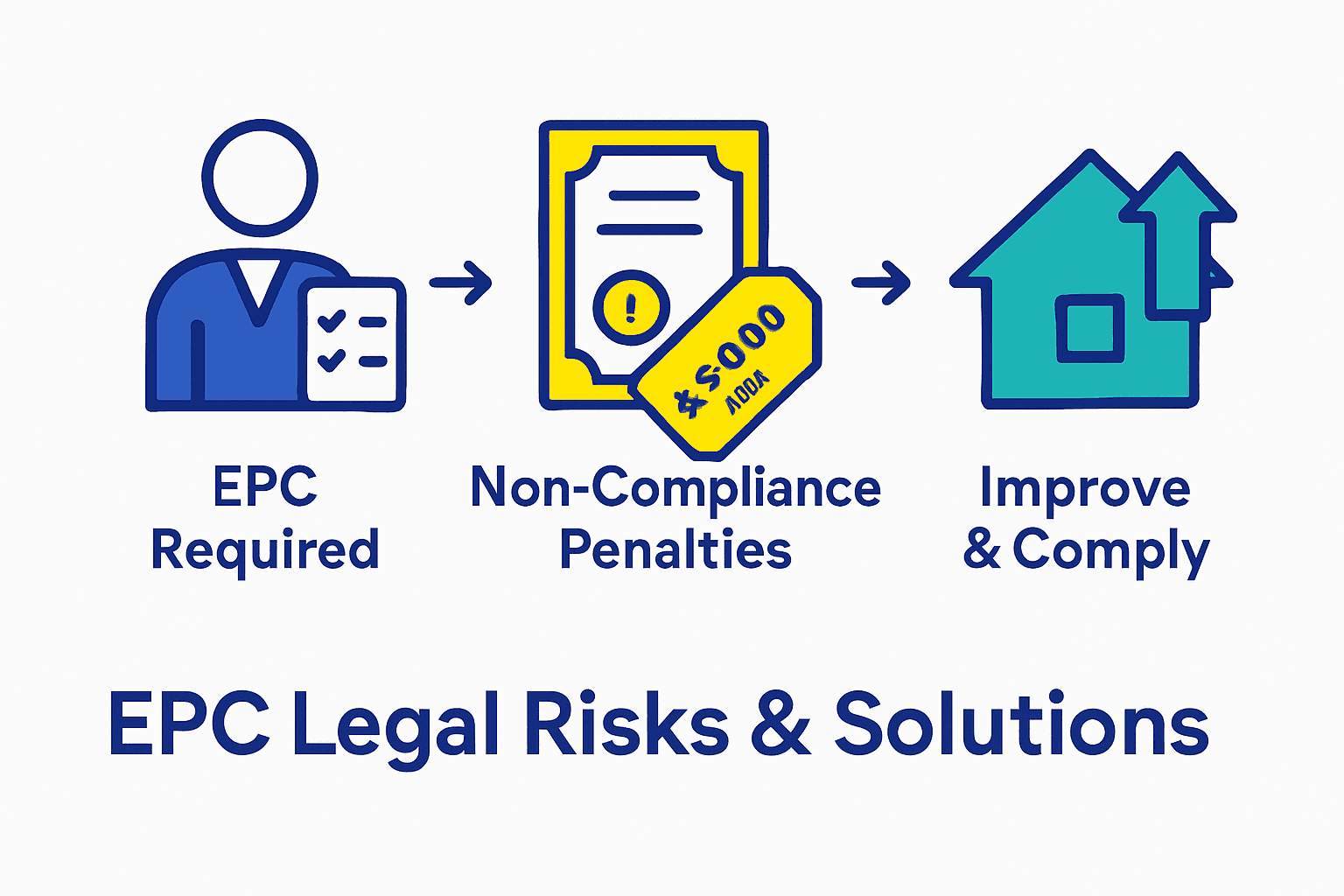 For a comprehensive understanding of navigating these complex regulatory requirements, explore our guide to EPC legal compliance to ensure you remain fully protected and compliant.
Future EPC Standards And Reform
The landscape of energy efficiency regulations is rapidly evolving, with significant transformative changes on the horizon for landlords and property owners. MoneyWeek reports that the UK government has ambitious plans to elevate energy performance standards, proposing a mandatory minimum EPC rating of C for all privately rented homes by 2030. This represents a substantial upgrade from the current minimum rating of E and signals a strong governmental commitment to reducing carbon emissions and improving housing energy efficiency.
According to the National Residential Landlords Association, these proposed regulatory changes will have far-reaching implications for property owners. Landlords will need to prepare strategically, potentially investing in significant property upgrades to meet the more stringent energy performance requirements well in advance of the 2030 deadline.
Key anticipated changes and implications include:
- Mandatory minimum EPC rating of C by 2030
- Increased investment in energy efficiency improvements
- Potential financial penalties for non-compliance
- Higher property values for energy-efficient homes
- Reduced energy costs for tenants
- Significant contribution to national carbon reduction goals
These forthcoming reforms represent more than just regulatory changes they signify a fundamental shift towards more sustainable, energy-efficient housing. Landlords who proactively adapt and invest in their properties’ energy performance will not only ensure compliance but potentially increase their property’s marketability and value. For landlords seeking to navigate these complex upcoming regulations, our guide to Minimum Energy Efficiency Standards (MEES) provides comprehensive insights into preparing for these transformative changes.
Ensure Your Rental Properties Comply Easily With EPC Regulations
Navigating the legal requirements for Energy Performance Certificates can quickly become overwhelming for landlords and property owners. From securing a valid EPC to meeting minimum energy efficiency standards and avoiding hefty penalties the challenges are real and demanding. If you are concerned about meeting the current minimum rating of E or preparing for future regulations like the proposed upgrade to C by 2030 it is vital to act now and get expert help.
At Complete EPC we understand these pressures and provide a seamless service tailored for rental properties across London. Our team of qualified assessors delivers accurate, comprehensive EPC assessments complete with clear recommendations to improve your property’s energy efficiency and compliance. Whether you need to obtain a new certificate, renew an existing one or ensure you meet the latest government standards our consultancy offers the lowest prices combined with fast turnaround and professional support. Take control of your legal obligations while increasing your property’s value and attractiveness to tenants by visiting our landlord EPC checklist and compliance guide and start the process today. Don’t wait for penalties or enforcement notices to disrupt your rental business get your EPC needs covered now at Complete EPC.
Frequently Asked Questions
What is an EPC Certificate for rentals?
An Energy Performance Certificate (EPC) is a document that provides information about a rental property’s energy efficiency and running costs, rating it from A (most efficient) to G (least efficient).
Are EPC Certificates required for all rental properties?
Yes, EPC Certificates are legally mandatory for rental properties and must be provided to prospective tenants before they move in.
How long is an EPC Certificate valid for?
An EPC Certificate remains valid for 10 years, and landlords should ensure it is current and meets the required energy efficiency standards before marketing the property.
What are the penalties for not complying with EPC regulations?
Landlords can face fines up to £5,000 if they fail to provide a valid EPC or rent out a property that does not meet the minimum energy efficiency rating of E.